Toxic Mold in Port St. John: What Cocoa Area Property Owners Should Know
The term “toxic mold” is one of the most alarming phrases property owners hear, especially in Port St. John where humidity, rain, and heavy AC use create constant moisture pressure. While the word itself sounds severe, the reality is often misunderstood. In most cases, what people call toxic mold is regular mold growth caused by long-term moisture problems, not a rare or exotic threat.
For Port St. John property owners, the real concern is not the label but the conditions that allow mold to grow and spread. Mold of many types can develop indoors when moisture is present, and some molds produce byproducts that homeowners find unpleasant or concerning. Understanding what toxic mold really means, where it develops, and how it should be handled helps remove confusion and prevents unnecessary panic.
What “Toxic Mold” Actually Means
“Toxic mold” is not a scientific or building-industry classification. It is a general term often used to describe mold growth that people associate with strong odors, persistent problems, or lab results showing certain mold groups.
In practical terms:
- Many molds can appear dark or aggressive
- Mold behavior depends on moisture and materials
- The same mold can behave differently in different environments
What matters most is how much mold is present, where it is growing, and why it developed—not the label attached to it.
Why Mold Concerns Are Common in Port St. John
Port St. John homes experience consistent environmental conditions that support mold growth.
Key contributors include:
- High year-round humidity
- Heavy rain and seasonal storms
- Long AC run times
- Slab foundations
- Attic heat and poor ventilation
Mold does not need flooding to grow. Small leaks, condensation, or trapped humidity over time are often enough.
Moisture Is the Root Cause, Not Mold Type
Mold problems always start with moisture.
Common moisture sources in Port St. John homes include:
- AC condensation and drain issues
- Plumbing leaks behind walls
- Roof leaks after storms
- Poor bathroom or kitchen ventilation
- High indoor humidity
If moisture is not corrected, mold—regardless of type—will continue to return.
Where Mold Commonly Grows in Port St. John Homes
Mold labeled as “toxic” is often found in areas where moisture lingers and airflow is limited.
Common locations include:
- Behind drywall after slow leaks
- Under sinks and cabinets
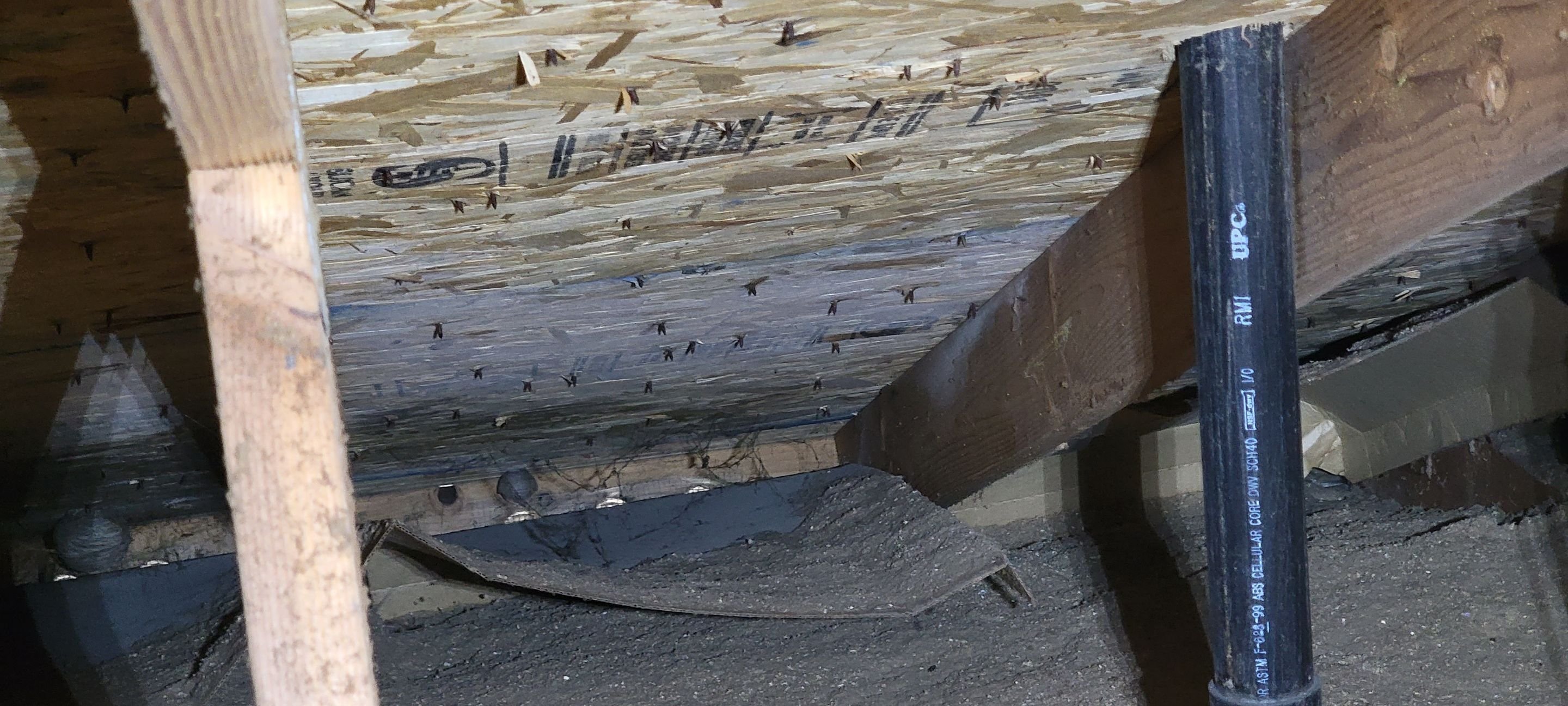
- Attics and roof decking
- Around HVAC air handlers
- Inside closets on exterior walls
- Beneath flooring
These areas allow mold to grow undisturbed for long periods.
Attics Are a Frequent Source of Hidden Mold
Attics are one of the most common mold locations in Port St. John.
Mold develops in attics due to:
- Extreme heat
- Trapped humidity
- Inadequate ventilation
Because attics are rarely inspected, mold can spread extensively before being noticed.
HVAC Systems Can Spread Mold Conditions
Air conditioning systems play a major role in indoor moisture control.
HVAC-related mold issues include:
- Condensation near vents
- Moist air handlers
- Clogged drain lines
- Mold on duct insulation
When HVAC moisture issues exist, mold can affect multiple areas of the home.
Odors Are Often the First Warning Sign
Many property owners notice mold through smell before seeing anything.
Common odor clues include:
- Musty or earthy smells
- Odors that worsen when the AC runs
- Smells strongest in the morning or after rain
Odors usually indicate hidden mold growth somewhere in the structure.
Why DIY Testing and Cleaning Often Cause Confusion
DIY mold test kits and cleaning products are widely marketed, but they rarely provide clear answers.
Common issues with DIY approaches:
- Mold is always present in Florida air
- No moisture context is provided
- Results are easy to misinterpret
- Surface cleaning does not address hidden growth
DIY methods often confirm mold exists without explaining whether it is a real problem.
When Mold Requires Professional Evaluation
Not every mold situation requires full remediation, but professional evaluation is important when:
- Mold keeps returning
- Odors persist
- Mold is visible on drywall or insulation
- Moisture problems are ongoing
- Mold is suspected behind walls or ceilings
Professional inspections focus on identifying moisture sources and extent, not just mold appearance.
How Professionals Handle Mold Properly
Professional mold services follow a structured, controlled process.
This typically includes:
- Inspection to identify moisture sources
- Containment to prevent spread
- Removal of contaminated materials when needed
- Cleaning remaining surfaces
- Moisture correction
- Verification
This approach prevents mold from returning and limits unnecessary damage.
Why Containment Is Critical
When mold is disturbed, spores can spread easily.
Without containment:
- Mold can move into clean areas
- HVAC systems may distribute spores
- The remediation area expands
Containment keeps the situation controlled and manageable.
Material Removal Is Sometimes Necessary
If mold has penetrated porous materials, removal is often the only reliable solution.
Common materials removed include:
- Drywall
- Insulation
- Baseboards
- Carpet padding
Leaving contaminated materials behind often leads to repeat growth.
Addressing Moisture Prevents “Toxic Mold” From Returning
No remediation will succeed without correcting moisture problems.
Prevention focuses on:
- Proper AC operation
- Drain line maintenance
- Leak repairs
- Improved ventilation
- Indoor humidity control
When moisture is managed, mold growth becomes far less likely.
Mold Labels vs Real Risk
The word “toxic” often causes unnecessary stress.
In reality:
- Mold presence does not automatically mean severe danger
- The building conditions matter more than mold type
- Moisture control is the key factor
Focusing on moisture and material condition leads to better decisions than focusing on labels.
Mold and Property Value
Mold itself does not automatically reduce property value. Unresolved moisture and mold problems do.
Proper handling:
- Protects the structure
- Prevents recurring issues
- Supports real estate transactions
Clear documentation helps avoid future complications.
Why Local Experience in Port St. John Matters
Mold behavior varies by location. Port St. John homes have unique moisture patterns influenced by:
- Climate
- Construction styles
- AC usage habits
Local professionals understand where mold commonly develops and how to address it effectively.
A knowledgeable local provider like Cocoa Mold Removal brings experience with Port St. John homes, avoiding generic approaches that often fail in Florida’s environment.
When to Take Action
Property owners should take action when:
- Mold odors persist
- Mold keeps returning
- Moisture problems continue
- Mold is visible on building materials
Early evaluation usually limits damage and cost.
Prevention Is the Long-Term Solution
Once mold concerns are addressed, prevention is essential.
Effective prevention includes:
- Running AC systems consistently
- Using exhaust fans in bathrooms and kitchens
- Monitoring indoor humidity
- Inspecting attics and HVAC systems
- Fixing leaks promptly
These steps reduce the likelihood of mold returning.
A Practical Takeaway for Property Owners
“Toxic mold” in Port St. John is usually a moisture-driven building issue, not a mystery or emergency. Mold problems in Florida homes develop gradually due to humidity, condensation, and hidden leaks—not sudden events.
Understanding what toxic mold really means helps property owners avoid panic, ineffective DIY fixes, and repeat problems. When moisture is corrected and mold is handled properly, homes can be stabilized and protected long term.
For property owners who want clear, practical answers, a knowledgeable local provider like Cocoa Mold Removal can help evaluate mold concerns, identify moisture sources, and guide proper remediation—keeping Port St. John homes dry, stable, and easier to maintain over time.