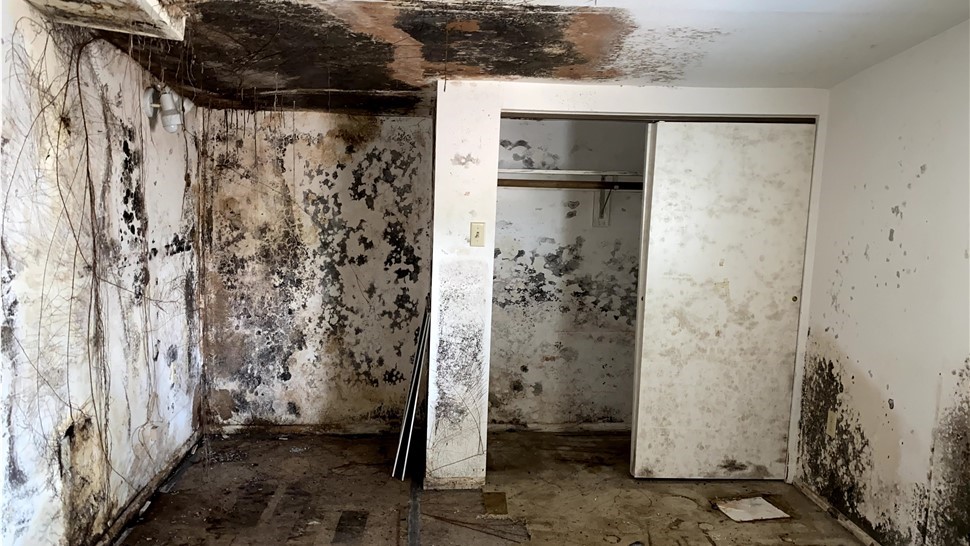
Toxic Mold in Cocoa Beach: What Cocoa Area Property Owners Should Know
Toxic mold is one of the most serious indoor environmental issues facing property owners in Cocoa Beach. Coastal living brings ocean views, sea breezes, and a relaxed lifestyle—but it also brings constant humidity, salt air, heavy rain, and storm exposure, all of which create ideal conditions for mold growth. When mold develops under prolonged moisture conditions, certain species can produce mycotoxins, commonly referred to as “toxic mold.”
For Cocoa area property owners, understanding toxic mold is critical. This isn’t just about unpleasant odors or cosmetic staining. Toxic mold can impact health, indoor air quality, building materials, and property value, and it rarely goes away without proper intervention. This guide explains what toxic mold is, why it’s common in Cocoa Beach properties, how to recognize warning signs, and what responsible owners should do to protect occupants and investments.
What Is Toxic Mold?
“Toxic mold” is not a scientific category, but a commonly used term for mold species that can produce mycotoxins under the right conditions. The mold most often associated with this label is Stachybotrys chartarum, but other species may also produce harmful byproducts.
Important facts property owners should know:
- Not all mold is toxic
- Not all toxic mold is black
- Toxic mold requires persistent moisture to develop
- Any indoor mold growth signals a moisture problem
Toxic mold typically grows on water-damaged, cellulose-based materials such as drywall, wood, insulation, and paper-backed products. Its presence often indicates that moisture has been present for an extended period—not just days, but weeks or months.
Why Toxic Mold Is a Major Issue in Cocoa Beach
Cocoa Beach’s coastal environment creates nearly perfect conditions for toxic mold growth. Even newer or well-maintained homes can develop serious mold issues if moisture control fails.
Key local risk factors include:
- High year-round humidity from ocean air
- Wind-driven rain during storms and hurricanes
- Salt air accelerating wear on building materials
- Long air-conditioning seasons causing condensation
- Power outages after storms leading to humidity spikes
- Elevated water tables and drainage challenges
Toxic mold often develops after repeated or long-term moisture exposure, making coastal properties especially vulnerable.
Common Causes of Toxic Mold in Cocoa Beach Properties
Toxic mold does not appear overnight. It develops when moisture problems persist without proper drying or repair.
Storm and Hurricane Damage
Roof damage, window leaks, and wind-driven rain can introduce water into walls and ceilings. Even small breaches can lead to significant hidden moisture.
HVAC Condensation and Failures
Air-conditioning systems remove humidity, but clogged drain lines, dirty coils, or poorly designed systems can cause moisture buildup inside air handlers and ductwork.
Plumbing Leaks
Slow leaks behind walls, under sinks, or beneath flooring can remain hidden for long periods, creating ideal conditions for toxic mold growth.
Flooding and Water Intrusion
Heavy rain, storm surge, or drainage issues can saturate building materials if drying is delayed.
Poor Ventilation
Bathrooms, kitchens, and laundry areas without proper exhaust ventilation allow humidity to linger and feed mold growth.
Where Toxic Mold Is Commonly Found
Toxic mold often grows out of sight, spreading quietly before property owners realize there is a problem.
Common locations include:
- Behind drywall and baseboards
- Inside HVAC systems and ductwork
- Attics and ceiling cavities
- Bathrooms and shower enclosures
- Under sinks and around plumbing
- Closets and storage areas with poor airflow
Visible mold is often only a small part of the problem. Hidden contamination may be far more extensive.
Health Risks Associated With Toxic Mold Exposure
Toxic mold exposure can affect people differently, but prolonged exposure indoors may lead to more serious health concerns than ordinary mold.
Reported symptoms may include:
- Persistent coughing and throat irritation
- Sneezing, congestion, and itchy eyes
- Headaches, fatigue, or dizziness
- Worsening asthma or respiratory conditions
- Skin irritation or rashes
- Increased sensitivity in children and older adults
Individuals with asthma, allergies, compromised immune systems, or chronic respiratory conditions may be especially vulnerable. While not every exposure leads to severe illness, toxic mold is a clear sign of unhealthy indoor conditions that should not be ignored.
Toxic Mold vs. Ordinary Mold: Why It Matters
All mold should be taken seriously, but toxic mold often indicates long-term moisture problems that pose greater risks.
Toxic mold typically:
- Develops after prolonged water exposure
- Penetrates porous building materials
- Produces airborne spores and fragments
- Requires more extensive remediation
Simply cleaning visible mold does not eliminate the underlying issue—and often makes it worse.
Why DIY Cleanup Is Dangerous With Toxic Mold
Many Cocoa Beach property owners attempt to clean toxic mold themselves using bleach or household cleaners. This approach is risky and usually ineffective.
Common DIY risks include:
- Disturbing mold colonies and releasing spores
- Incomplete removal of mold roots
- Failing to correct moisture sources
- Increased exposure to airborne contaminants
In humid coastal environments, DIY cleanup often leads to mold returning quickly—sometimes in new areas.
What Professional Toxic Mold Remediation Involves
Professional remediation addresses both the mold and the moisture that caused it. The process is structured, controlled, and designed to prevent spread and recurrence.
Step 1: Assessment and Planning
Affected areas are identified, moisture sources are located, and the extent of contamination is evaluated.
Step 2: Containment
Work areas are sealed off to prevent spores from spreading to unaffected parts of the property.
Step 3: Air Filtration
High-efficiency air filtration devices capture airborne spores during remediation.
Step 4: Mold Removal
Contaminated materials are cleaned, treated, or removed depending on severity. Porous materials such as drywall or insulation often require removal.
Step 5: Cleaning and Sanitization
Surfaces are thoroughly cleaned to remove residual mold particles.
Step 6: Moisture Control and Repairs
Leaks, ventilation issues, and humidity problems are corrected to prevent recurrence.
Step 7: Post-Remediation Verification
Follow-up evaluations confirm that mold levels are under control and moisture issues have been resolved.
When Cocoa Beach Property Owners Should Act Immediately
Immediate professional action is strongly recommended when:
- Mold covers a large area
- Mold is present in HVAC systems
- Musty odors persist despite cleaning
- Water damage occurred and drying was delayed
- Occupants experience unexplained health symptoms
- Mold repeatedly returns after cleanup
Delaying action allows contamination to spread and significantly increases remediation costs.
Cost Factors in Toxic Mold Remediation
The cost of toxic mold remediation in Cocoa Beach depends on:
- Size of the affected area
- Severity and duration of mold growth
- Materials involved (drywall, insulation, flooring)
- Accessibility of contaminated areas
- Necessary repairs after removal
Early detection and prompt remediation dramatically reduce overall costs.
Preventing Toxic Mold in Cocoa Beach Properties
Because Cocoa Beach’s environment will always involve humidity and storms, prevention is essential.
Control Indoor Humidity
Maintain indoor humidity between 30% and 50% using air conditioning and dehumidifiers.
Maintain HVAC Systems
Regular HVAC inspections help prevent condensation and moisture buildup.
Address Water Issues Immediately
Roof leaks, plumbing problems, and window leaks should always be treated as urgent.
Improve Ventilation
Bathrooms, kitchens, and laundry areas should have properly functioning exhaust fans.
Monitor After Storms
After heavy rain or storms, inspect for water intrusion and moisture buildup.

Long-Term Toxic Mold Management in Cocoa Beach
Managing toxic mold is not a one-time task—it requires ongoing attention in coastal environments.
Effective long-term strategies include:
- Preventive maintenance programs
- Routine moisture inspections
- Investment in reliable HVAC and dehumidification systems
- Clear response plans for leaks or flooding
- Periodic professional evaluations
Homes and buildings that stay proactive are far less likely to experience recurring toxic mold problems.
Final Thoughts for Cocoa Area Property Owners
Toxic mold in Cocoa Beach is not just a maintenance issue—it is a serious health and property concern. In a coastal climate where moisture is constant, mold problems rarely resolve on their own, and surface-level fixes almost always fail.
By understanding what toxic mold is, recognizing the warning signs, and addressing moisture problems early, Cocoa area property owners can protect indoor air quality, preserve property value, and avoid costly repeat remediation.
In Cocoa Beach, informed action is the best defense against toxic mold—and the key to maintaining a safe, healthy coastal property.