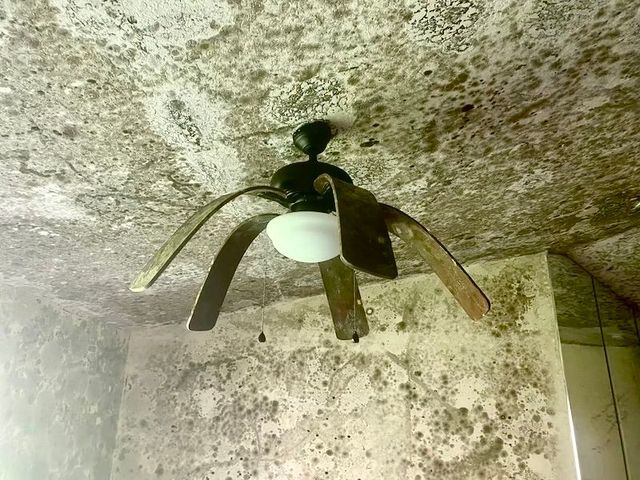
Tenant Mold Rights in Port St. John: What Cocoa Area Property Owners Should Know
Mold issues in rental homes can quickly become tense—for tenants who are living with musty odors or visible growth, and for property owners who want to protect their investment while responding appropriately. In Port St. John, where humidity is high most of the year and air conditioning runs constantly, mold complaints in rentals are common. Understanding tenant mold rights—and how they connect to moisture conditions and building behavior—is essential for Cocoa-area property owners who want to handle concerns correctly and prevent repeat problems.
Across Port St. John, Cocoa, Cocoa Beach, West Cocoa, Sharpes, and Canaveral Groves, mold disputes often arise not because anyone acted irresponsibly, but because moisture behaves differently in Florida homes. This article explains how tenant mold rights generally come into play, why complaints arise, where mold typically develops in rentals, and what property owners should know to address issues calmly, effectively, and proactively.
Why Mold Complaints Are Common in Port St. John Rentals
Port St. John sits in a climate where moisture is a constant factor.
Local conditions that increase mold complaints include:
- High year-round humidity
- Long cooling seasons with heavy AC use
- Slab foundations that elevate indoor moisture
- Warm, moist outdoor air entering living spaces
- Slow drying conditions indoors
In rental properties, these conditions can combine with occupancy changes, ventilation habits, and delayed reporting to allow mold to develop quietly before anyone notices.
Tenant Mold Rights Start With Habitability Expectations
Tenants generally expect rental housing to be safe and livable, which includes managing moisture conditions that can lead to mold. Mold rights typically come into focus when a tenant reports a concern and expects the issue to be evaluated and addressed rather than ignored.
From a practical standpoint, this means:
- Tenants can report mold concerns without retaliation
- Reported moisture issues should be taken seriously
- Conditions should be evaluated, not dismissed as “just humidity”
- Reasonable steps should be taken to identify the cause
Understanding these expectations helps property owners respond in a way that protects both the tenant relationship and the property.
Mold Rights Are About Conditions, Not Blame
One of the biggest misunderstandings in tenant mold situations is assuming the issue must be someone’s fault.
In reality:
- Mold is driven by moisture behavior
- Florida humidity plays a major role
- Building design and airflow matter
- Small issues can add up over time
Tenant mold rights are not about assigning blame—they’re about ensuring the living space is evaluated and moisture conditions are addressed appropriately.
Common Triggers for Tenant Mold Complaints
Tenant complaints often begin after subtle changes.
Common triggers include:
- Musty odors when the AC turns on
- Mold reappearing after cleaning
- Visible growth near vents or baseboards
- Damp or stuffy indoor air
- Mold in closets or bathrooms
These signs usually indicate hidden moisture, not surface dirt.
Where Mold Commonly Develops in Rental Properties
Understanding where mold forms helps explain why tenant complaints are often valid—even when issues aren’t obvious.
HVAC Systems and Air Ducts
HVAC systems are one of the most frequent sources of tenant mold complaints.
Mold may develop:
- Inside air handlers
- In drain pans
- Inside ductwork
- Around supply and return vents
Because HVAC systems circulate air throughout the unit, mold here can affect the entire living space.
Bathrooms
Bathrooms are another high-risk area.
Mold commonly forms:
- On ceilings
- Around exhaust fans
- In grout or caulk
- Behind shower walls
In rentals, inconsistent exhaust fan use can accelerate growth.
Under Sinks and Cabinets
Plumbing areas hide moisture well.
Mold often develops:
- Under kitchen sinks
- Beneath bathroom vanities
- Around slow leaks or condensation
Tenants may not notice these areas until odors appear.
Behind Walls and Baseboards
Hidden mold is extremely common.
Mold may grow:
- Behind drywall
- Along exterior walls
- Near slab-level baseboards
This mold often explains recurring surface issues.
Closets and Bedrooms
Enclosed spaces often show mold first.
This happens due to:
- Limited airflow
- Exterior wall exposure
- Elevated indoor humidity
Closet mold is a frequent tenant concern in Port St. John.
Slab Foundations and Tenant Mold Issues
Most Port St. John rentals are built on slab foundations, which strongly influence mold behavior.
Slabs can:
- Absorb moisture from soil
- Release moisture slowly upward
- Increase humidity near floors and walls
Mold near baseboards or lower walls is often tied to slab moisture rather than tenant habits.
Why Mold Complaints Often Appear After Move-In
Property owners are often surprised when mold complaints arise shortly after a tenant moves in.
This commonly happens because:
- The unit sat vacant with limited AC use
- Humidity increased during vacancy
- Hidden moisture issues already existed
- New occupancy changed airflow and moisture patterns
In many cases, mold didn’t start with the tenant—it simply became noticeable.
Tenant Habits vs. Property Conditions
Tenant behavior can influence moisture, but it’s rarely the sole cause.
Tenant actions that may contribute include:
- Turning off AC for long periods
- Not using bathroom exhaust fans
- Drying clothes indoors
- Delaying reports of small leaks
However, mold usually develops when building conditions allow moisture to persist, not just because of daily habits.
Why Surface Cleaning Doesn’t Satisfy Tenant Mold Rights
Some property owners attempt repeated cleaning—but complaints often return.
Cleaning alone fails because:
- Mold roots remain inside materials
- Moisture sources aren’t corrected
- Hidden growth continues
- HVAC systems may redistribute moisture
Tenants generally expect the cause to be addressed, not just the appearance.
The Importance of Timely Evaluation
One of the most important aspects of tenant mold rights is timely response.
Prompt evaluation helps:
- Identify moisture sources early
- Prevent mold from spreading
- Reduce tenant frustration
- Limit repair costs
Ignoring or delaying evaluation often makes the problem worse.
When Professional Evaluation Is Helpful
Not every mold concern requires the same response.
Professional evaluation is helpful when:
- Mold keeps returning
- Odors persist without visible growth
- Multiple rooms are affected
- HVAC systems may be involved
- The source of moisture is unclear
Many Port St. John property owners work with experienced local providers like Cocoa Mold Removal because tenant-related mold issues require understanding Florida’s climate and rental property behavior.
Mold Testing in Tenant Situations
Testing isn’t always necessary, but it can be useful in some tenant-related cases.
Testing may help when:
- Mold is suspected but not visible
- Documentation is needed
- Multiple units are affected
- Odors persist after cleaning
Testing should always be paired with moisture evaluation for meaningful results.
Addressing Mold Issues in a Tenant-Friendly Way
Effective resolution focuses on communication and correction.
Helpful steps include:
- Acknowledging the tenant’s concern
- Evaluating moisture conditions
- Inspecting HVAC and hidden areas
- Correcting identified issues
- Following up after repairs
Clear communication reduces misunderstandings and repeat complaints.
Documentation Protects Both Tenants and Property Owners
Proper documentation benefits everyone.
Good records help:
- Track reported concerns
- Show timely response
- Document inspections and repairs
- Reduce disputes
- Protect property value
Documentation demonstrates responsible property management.
Preventing Mold Complaints in Port St. John Rentals
Prevention is far more effective than reacting to complaints.
Helpful prevention steps include:
- Regular HVAC maintenance
- Monitoring indoor humidity
- Running AC during vacancies
- Inspecting under sinks and cabinets
- Ensuring exhaust fans work properly
- Checking closets and exterior walls periodically
In Florida, mold prevention must be ongoing.
The Role of Turnover Inspections
Tenant turnover is a critical time for mold prevention.
Property owners should:
- Inspect for odors
- Check humidity levels
- Inspect HVAC systems
- Look for hidden moisture
- Address issues before re-renting
This reduces early complaints from new tenants.
Why Local Experience Matters
Tenant mold issues in Port St. John are shaped by:
- Brevard County humidity patterns
- Slab foundation moisture behavior
- Common rental construction styles
- Seasonal weather changes
Local experience helps identify real causes quickly and accurately.
A Practical Takeaway for Property Owners
Tenant mold rights in Port St. John are ultimately about habitability and moisture management, not blame. Mold almost always develops when humidity, condensation, or hidden moisture is allowed to persist—often long before a tenant notices or reports it.
Property owners who focus on timely evaluation, moisture control, clear communication, and preventive maintenance are far more successful at resolving mold concerns and avoiding repeat issues. In Port St. John and throughout the Cocoa area, understanding how mold behaves in rental environments is one of the most effective ways to protect both tenants and properties.