Tenant Mold Rights in Cocoa: What Cocoa Area Property Owners Should Know
Mold concerns in rental properties are one of the most sensitive issues property owners face in Cocoa and throughout Brevard County. When a tenant reports mold, it often creates uncertainty, tension, and confusion about responsibilities. For property owners, understanding tenant mold rights is not about fear or conflict—it’s about knowing how mold issues typically arise, how they should be addressed, and how to respond calmly and correctly.
In Cocoa, mold issues are closely tied to Florida’s climate rather than tenant behavior alone. High humidity, frequent rain, plumbing leaks, and HVAC moisture problems are common contributing factors. Knowing what tenants can reasonably expect and how property owners should approach mold concerns helps protect the property, the tenancy, and long-term value.
Why Mold Complaints Are Common in Cocoa Rentals
Cocoa’s warm, humid environment creates ideal conditions for mold growth. Moisture doesn’t evaporate quickly, and air conditioning systems run most of the year. Even well-maintained rental properties can experience mold if moisture is introduced and not fully dried.
Rental homes face additional challenges. Plumbing fixtures, bathrooms, kitchens, and HVAC systems are used daily. Small leaks or condensation issues may go unnoticed for weeks. During vacancy periods, if the AC is turned off or set too high, indoor humidity can rise rapidly, allowing mold to develop without any active leak.
Because mold often grows in hidden areas—behind walls, under flooring, or inside HVAC systems—tenants may notice odors or discomfort before visible mold appears.
What Tenant Mold Rights Generally Focus On
Tenant mold rights in Cocoa are centered around habitability and maintenance, not perfection. Tenants generally have the right to live in a property that is maintained in a condition where building-related moisture issues are addressed when identified.
This typically means that when mold is caused by leaks, water intrusion, ventilation failures, or HVAC problems, property owners are expected to investigate and correct those issues. Mold that develops due to unresolved building conditions is not considered a tenant-caused problem.
It’s important for property owners to understand that mold complaints are usually requests for evaluation, not accusations. Most tenants are simply reporting conditions they don’t understand and want addressed.
Common Mold Concerns Tenants Report in Cocoa
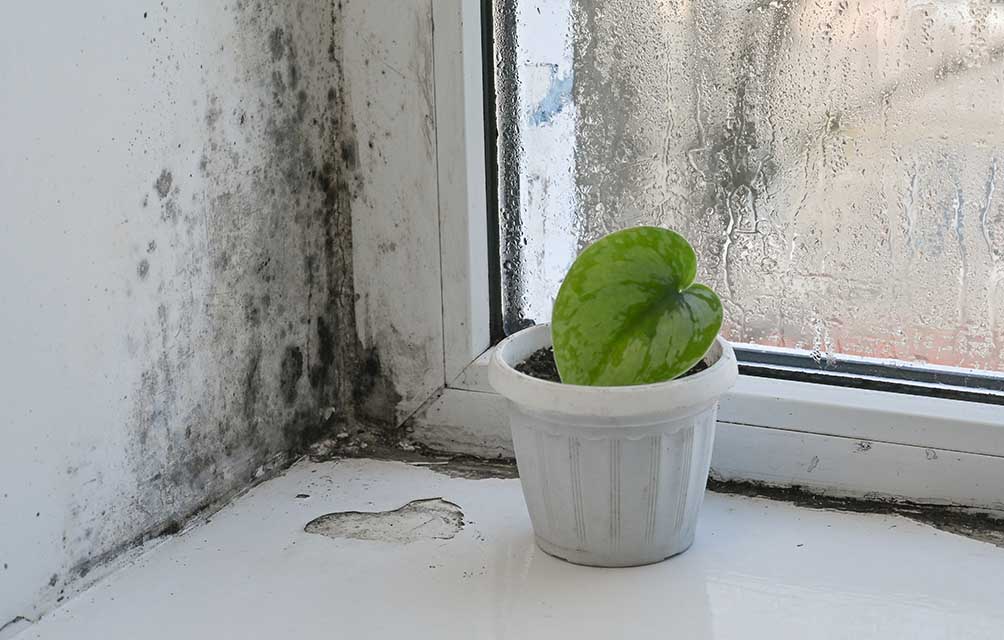
Tenants often report mold concerns in predictable areas. Bathrooms are one of the most common locations due to daily moisture from showers and limited ventilation. Mold may appear on ceilings, around tubs, or behind walls.
Kitchens are another frequent issue. Leaks under sinks, behind dishwashers, or from refrigerators with water lines can allow moisture to build up inside cabinets or walls.
HVAC-related complaints are also common. Tenants may notice musty odors when the air conditioning runs or see dark residue around vents. These signs often point to moisture inside air handlers or ductwork.
Closets, bedrooms, and living areas may be affected when mold grows behind walls or under flooring. Because these areas are not obviously wet, tenants may be unsure where the problem is coming from.
Why Tenants Often Notice Mold Before Owners Do
Tenants live in the property daily and experience changes in odor, humidity, or comfort more quickly than owners who visit periodically. They may notice musty smells, condensation, or recurring moisture long before visible damage occurs.
In Cocoa’s climate, these changes can happen gradually. A small plumbing leak or HVAC drainage issue may not be obvious during routine inspections but can still create mold-friendly conditions.
Tenants may also discover mold during everyday activities—opening cabinets, moving furniture, or cleaning—areas that owners don’t always inspect closely between turnovers.
Hidden Mold and Tenant Concerns
One of the most challenging aspects of tenant mold rights is hidden mold. Mold behind drywall, under flooring, inside walls, or in HVAC systems can affect indoor conditions without visible signs.
Tenants may report odors, dampness, or discomfort without being able to point to visible mold. These complaints should not be dismissed simply because mold isn’t obvious on the surface.
In many Cocoa homes, slab foundations conceal plumbing leaks beneath floors, while attics and wall cavities trap moisture from storms or condensation. These hidden issues are common sources of tenant complaints.
Why Surface Cleaning Is Not a Tenant Solution
Tenants sometimes attempt to clean visible mold themselves using household cleaners. While this may improve appearance temporarily, it does not address underlying moisture problems.
Surface cleaning does not remove mold growing behind walls, under cabinets, or inside HVAC systems. In some cases, repeated cleaning masks the problem and delays proper evaluation.
From a property owner’s perspective, surface cleaning should never replace investigation. Mold that keeps returning usually indicates a moisture issue that requires attention.
How Property Owners Should Respond to Mold Complaints
When a tenant reports mold in a Cocoa rental property, the most effective response is calm, timely evaluation. Dismissing complaints or assuming tenant behavior is the cause often leads to escalation and recurring problems.
A professional inspection helps determine whether mold is present, where moisture is coming from, and how far the issue extends. This approach protects both the property owner and the tenant by providing clarity.
Addressing the moisture source is always the priority. Mold growth without moisture cannot continue, so identifying leaks, condensation, ventilation issues, or water intrusion is the key step.
How Mold in Rentals Is Properly Evaluated
Proper mold evaluation focuses on conditions, not just visible growth. Inspectors examine plumbing systems, HVAC components, roofs, windows, and high-moisture areas.
Moisture detection tools are used to locate damp materials behind walls, under floors, or above ceilings. This helps identify hidden issues without unnecessary damage.
In some cases, air or surface samples may be collected to better understand indoor conditions. Testing is used selectively and interpreted alongside inspection findings, not as a standalone result.
The goal is to understand whether mold is present, what caused it, and what corrective steps are needed.
Mold Remediation and Tenant Rights
When mold is confirmed and tied to building-related moisture, proper remediation is required. This may involve removing affected materials such as drywall, insulation, cabinets, or flooring.
Containment is used to prevent mold spores from spreading during remediation. Once removal is complete, the area is thoroughly dried and repaired.
Correcting the moisture source is the most important part of the process. Without it, mold is likely to return, leading to repeated tenant concerns.
Local providers like Cocoa Mold Removal focus on remediation methods that address both mold and moisture, helping property owners restore rental units properly.
Preventing Mold Disputes in Cocoa Rentals
Prevention is the most effective way to reduce tenant mold complaints. Regular inspections of plumbing, HVAC systems, bathrooms, and kitchens help catch issues early.
Maintaining air conditioning and humidity control during vacancy periods is critical in Florida. Properties left without climate control can develop mold quickly, even without leaks.
Tenants should be encouraged to report leaks, odors, or moisture promptly. Clear communication helps prevent small problems from becoming larger disputes.
After storms or heavy rain, properties should be checked for roof leaks or water intrusion, especially around windows and exterior walls.
Why Local Cocoa Mold Experience Matters
Tenant mold concerns are not the same everywhere. Local experience matters because Cocoa homes face specific challenges tied to Florida humidity, slab foundations, coastal weather, and year-round AC use.
Professionals familiar with Brevard County understand how moisture behaves in rental properties in this environment. This knowledge leads to faster diagnosis and more effective, long-term solutions.
Property owners in Cocoa, Cocoa Beach, West Cocoa, Port St. John, Sharpes, and Canaveral Groves benefit from working with professionals who regularly address mold issues in local rentals.
A Practical, Balanced Path Forward
Tenant mold rights in Cocoa are best understood as a shared interest in maintaining safe, dry housing—not as an adversarial issue. Most mold problems stem from moisture conditions that can be identified and corrected with the right approach.
For property owners, responding promptly, investigating thoroughly, and addressing root causes protects both the property and the tenancy. Mold issues handled correctly the first time rarely become ongoing problems.
When concerns arise, a knowledgeable local provider like Cocoa Mold Removal can help evaluate conditions, guide remediation, and restore rental properties responsibly—helping property owners move forward with confidence and clarity.