Seasonal Mold Problems in Brevard County: What Cocoa Area Property Owners Should Know
Mold problems in Brevard County don’t happen randomly. They follow the seasons. Many property owners notice the same pattern year after year—musty odors in summer, attic issues after storms, condensation problems in cooler months—without realizing these are seasonal mold cycles, not isolated incidents.
Across Cocoa, Cocoa Beach, West Cocoa, Port St. John, Sharpes, and Canaveral Groves, Florida’s climate creates mold risks that shift throughout the year. Understanding how each season affects moisture, humidity, and building materials helps homeowners recognize problems earlier and prevent recurring mold growth instead of reacting to it repeatedly.
This article explains how mold behaves season by season in Brevard County, where problems typically appear, and what property owners should know to stay ahead of Florida’s changing moisture conditions.
Why Mold Problems Are Seasonal in Brevard County
Unlike colder or drier climates, Brevard County experiences year-round moisture pressure. What changes seasonally is how that moisture enters and behaves inside homes.
Seasonal factors include:
- Shifts in humidity levels
- Rainfall patterns
- Temperature changes
- AC usage cycles
- Storm frequency
Each season creates its own mold triggers, affecting different parts of the home.
Spring: Transition Season Mold Risks
Spring marks the transition from drier winter air to rising humidity.
Common spring mold triggers include:
- Increasing outdoor humidity
- AC systems starting up after lighter use
- Condensation forming on vents and windows
- Spring rain exposing small leaks
Where Mold Shows Up in Spring
- Around HVAC vents
- On window frames
- In closets that stayed closed during winter
- Near exterior walls
Spring mold often starts quietly, setting the stage for bigger summer problems if moisture isn’t controlled early.
Summer: Peak Mold Growth Season
Summer is the highest-risk season for mold in Brevard County.
Why summer is so problematic:
- Extreme heat and humidity
- Daily afternoon storms
- Heavy AC use
- Slower drying times
- Frequent condensation
Mold growth accelerates during summer because warm temperatures and constant moisture create ideal conditions.
Common Summer Mold Locations
- Attics (heat + humidity buildup)
- Bedrooms with exterior walls
- Closets and storage areas
- Behind furniture
- Near AC air handlers and vents
Summer mold often spreads faster and wider than in other seasons.
Rainy Season: Moisture Overload
Rainy season overlaps with summer but deserves special attention.
Key risks during rainy season:
- Repeated heavy rain events
- Soil saturation near foundations
- Wind-driven rain intrusion
- Elevated indoor humidity for extended periods
Even homes without visible leaks can experience mold due to cumulative moisture exposure.
Mold After Repeated Rain
Back-to-back storms prevent homes from fully drying. Moisture builds slowly in:
- Slab foundations
- Wall cavities
- Attics
- Flooring systems
Mold from rainy season moisture often appears weeks later, catching homeowners off guard.
Fall: Lingering Moisture Problems
Fall brings slightly cooler temperatures, but mold risk remains high.
Fall mold issues often come from:
- Residual summer moisture
- Continued humidity
- Less frequent AC cycling
- Condensation during cooler nights
Many homeowners assume mold risk drops in fall—but moisture often becomes trapped instead of removed.
Common Fall Mold Areas
- Closets
- Bedrooms
- Exterior-facing walls
- Behind stored items
Fall mold is often linked to condensation, not active leaks.
Winter: Hidden Mold Season
Winter in Brevard County isn’t cold—but it changes how moisture behaves.
Winter mold risks include:
- AC still running, but less consistently
- Cooler surfaces meeting warm humid air
- Increased condensation overnight
- Less ventilation as windows stay closed
Because mold grows more slowly in cooler temperatures, winter mold often stays hidden until spring or summer.
Where Winter Mold Develops
- Behind walls
- Inside closets
- Near windows and sliding doors
- On cooler exterior walls
Winter mold often becomes visible months later, making it seem sudden when it’s actually long-standing.
How AC Usage Affects Seasonal Mold
Air conditioning plays a major role in seasonal mold patterns.
Seasonal AC issues include:
- Short cycling during mild weather
- Inconsistent humidity removal
- Condensation near vents
- Drain line problems
When AC systems cool air without removing enough moisture, mold-friendly conditions develop regardless of season.
Slab Foundations and Seasonal Moisture
Many Brevard County homes are built on slab foundations, which interact with seasonal moisture differently.
Seasonal slab behavior:
- Summer rain saturates soil
- Slabs absorb moisture
- Moisture releases slowly over time
- Mold appears long after rain events
Slab-related mold is often seasonal but delayed.
Attics and Seasonal Mold Cycles
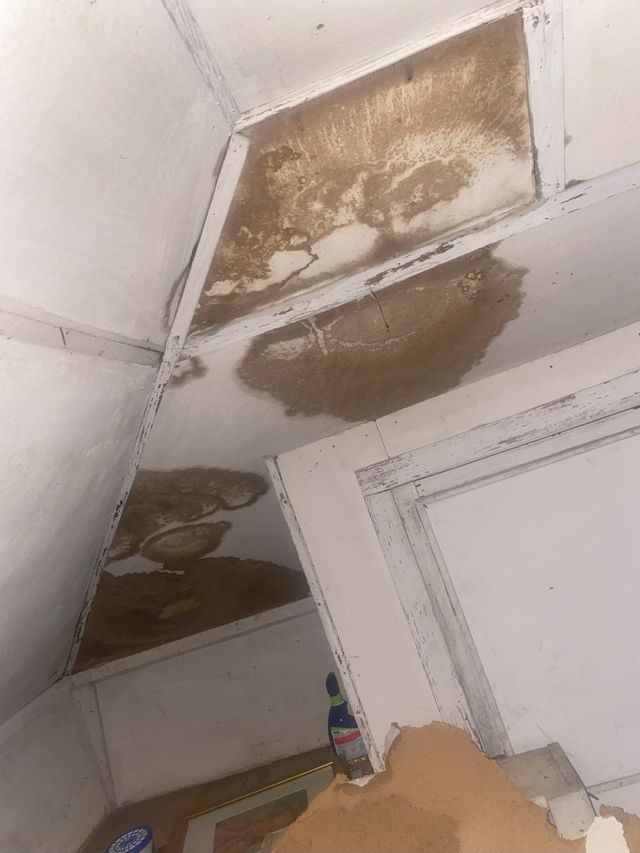
Attics are one of the most seasonally affected areas of the home.
Seasonal attic mold factors:
- Summer heat buildup
- Rainy season humidity
- Poor ventilation
- Winter condensation
Attic mold often goes unnoticed until inspections or odor problems arise.
Why Seasonal Mold Keeps Returning
Many homeowners clean mold only to see it come back the next season.
This happens because:
- Moisture patterns weren’t addressed
- Humidity wasn’t controlled year-round
- Seasonal triggers weren’t identified
- Only visible mold was removed
Without seasonal moisture management, mold cycles repeat.
Seasonal Warning Signs Property Owners Should Watch For
Different seasons bring different early warning signs.
Warm Seasons
- Musty odors
- Condensation on vents
- Damp-feeling air
- AC struggling to keep humidity down
Cooler Seasons
- Condensation on windows
- Mold in closets
- Peeling paint
- Odors that come and go
Recognizing seasonal patterns helps catch mold early.
Why Professional Evaluation Helps Break Seasonal Cycles
Seasonal mold problems require understanding when and why moisture occurs.
Professional evaluation helps:
- Identify seasonal moisture patterns
- Detect hidden mold growth
- Evaluate HVAC and attic performance
- Recommend season-specific solutions
Many property owners work with experienced local providers like Cocoa Mold Removal because seasonal mold behavior in Florida requires local, climate-specific knowledge.
Seasonal Mold Prevention Strategies
Effective mold prevention changes with the seasons.
Year-Round
- Keep indoor humidity below 55%
- Monitor humidity regularly
- Maintain HVAC systems
Summer & Rainy Season
- Run AC consistently
- Avoid opening windows during humid weather
- Inspect after storms
- Check attics and closets
Fall & Winter
- Watch for condensation
- Maintain airflow in closed rooms
- Avoid shutting off AC completely
Prevention works best when it adapts to seasonal conditions.
How Seasonal Mold Affects Property Value
Seasonal mold issues can impact:
- Home inspections
- Buyer confidence
- Rental demand
- Maintenance costs
Recurring seasonal mold often signals unresolved moisture issues, which inspectors and buyers may notice.
Breaking the Seasonal Mold Cycle
Breaking the cycle requires:
- Identifying moisture sources
- Controlling humidity year-round
- Monitoring seasonal risk areas
- Addressing problems early
Once moisture behavior is stabilized, mold recurrence often drops dramatically.
Why Local Experience Matters
Seasonal mold patterns in Brevard County are unique.
Local professionals understand:
- Florida weather cycles
- Coastal and inland humidity differences
- Slab foundation moisture behavior
- AC usage patterns
That experience helps identify problems faster and prevent repeat seasonal mold issues.
A Practical Takeaway for Property Owners
Seasonal mold problems in Brevard County are predictable—and preventable. Mold doesn’t just “happen”; it follows humidity, rain, temperature changes, and AC usage throughout the year.
Property owners who understand how each season affects moisture inside their homes are far more successful at preventing mold than those who treat each occurrence as a surprise. In Cocoa and surrounding Brevard County communities, managing seasonal moisture—not just cleaning mold—is the key to long-term control.