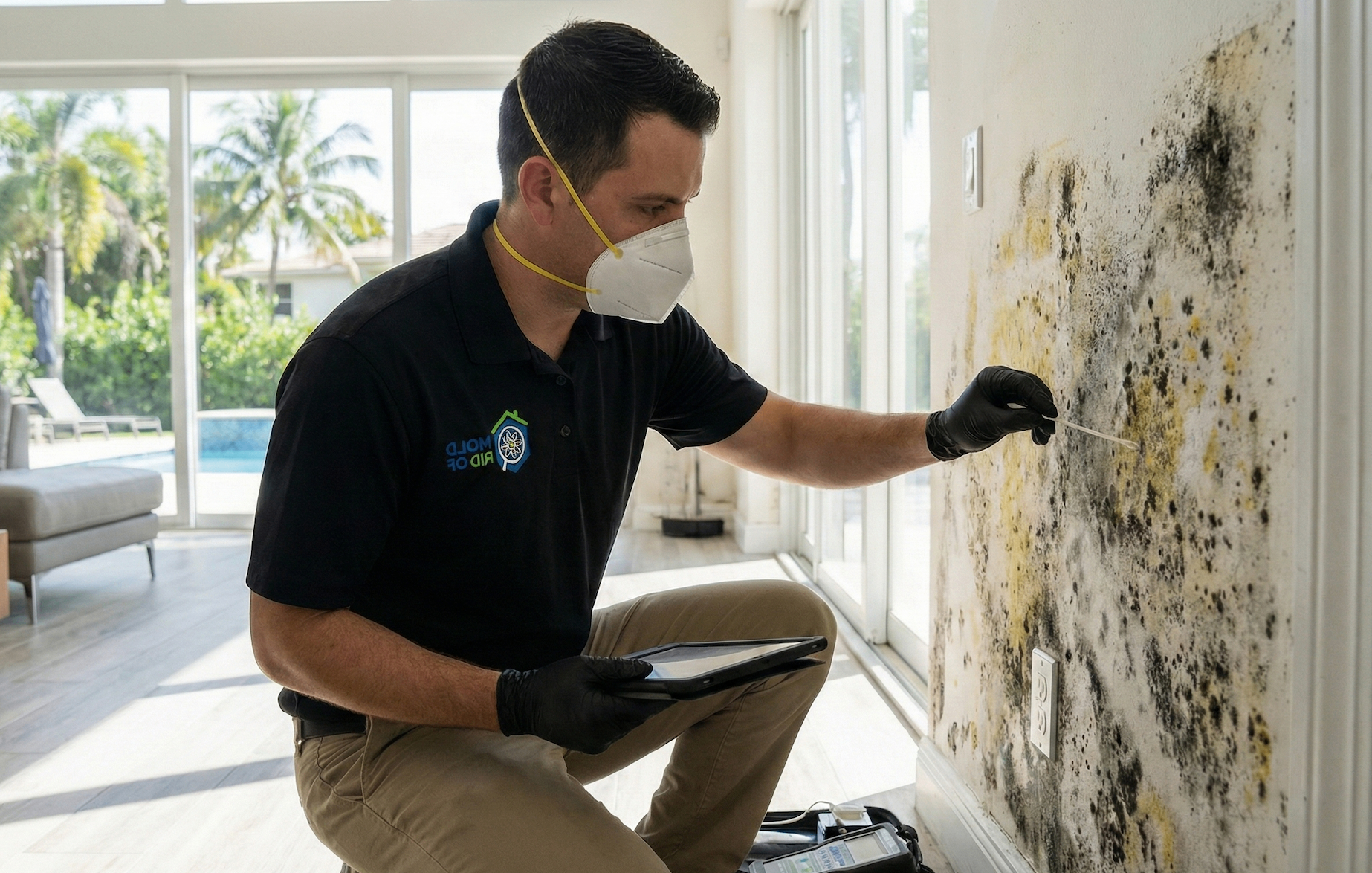
Residential Mold Inspections in Cocoa Beach: What Cocoa Area Property Owners Should Know
Living in Cocoa Beach comes with plenty of perks—ocean breezes, warm weather, and coastal living—but it also brings one major challenge for homeowners: moisture. High humidity, salt air, frequent rain, and constant air-conditioning use make residential mold problems especially common in this area. Often, mold develops quietly behind walls, above ceilings, or inside HVAC systems long before homeowners realize there’s an issue.
For property owners in Cocoa Beach and nearby Brevard County communities, residential mold inspections are one of the most effective ways to identify moisture problems early and prevent costly repairs. Understanding how inspections work and when they’re needed helps homeowners protect their property and avoid recurring mold issues.
What a Residential Mold Inspection Really Is
A residential mold inspection is a detailed evaluation of a home to identify visible mold, hidden moisture problems, and conditions that may lead to future mold growth. The goal isn’t just to confirm whether mold exists—it’s to understand why it’s there and what’s allowing it to grow.
In Cocoa Beach homes, inspections often focus on areas affected by coastal moisture, condensation, and past water intrusion. Because mold doesn’t always grow in obvious places, inspections look beyond surface-level signs to uncover hidden risks.
Why Mold Inspections Are Especially Important in Cocoa Beach
Cocoa Beach homes face unique environmental conditions that increase mold risk.
High coastal humidity is present most of the year, even indoors. Homes can experience elevated moisture levels without any visible leaks.
Salt air exposure accelerates wear on building materials, roofs, and HVAC components, increasing the chance of moisture intrusion.
Heavy rain and storms regularly stress roofs, windows, and exterior walls. Minor leaks can allow moisture into wall cavities or ceilings.
Year-round AC use creates condensation inside air handlers, ductwork, and around vents—common mold sources in Florida homes.
Because of these factors, mold can develop even in newer or well-maintained houses.
When Homeowners Should Consider a Mold Inspection
Many homeowners assume inspections are only needed when mold is visible, but that’s not always the case.
A residential mold inspection is often recommended when:
- There is a musty or persistent odor
- Water damage has occurred, even if it seemed minor
- Ceiling stains or wall discoloration appear
- Humidity feels unusually high indoors
- HVAC systems show condensation issues
- Buying or selling a home in Cocoa Beach
Early inspections often reveal moisture problems before mold spreads extensively.
Common Places Mold Is Found in Cocoa Beach Homes
Mold thrives in areas where moisture lingers, especially in Florida’s coastal climate.
Common problem areas include:
- Attics with poor ventilation
- Bathrooms and laundry rooms
- Behind drywall near windows or exterior walls
- Under flooring after leaks or flooding
- Inside HVAC systems and ductwork
- Closets and storage areas with limited airflow
Because many of these areas are hidden, mold can grow for months without being noticed.
Hidden Mold Risks Homeowners Often Miss
Some of the most serious mold issues occur where homeowners rarely look.
Behind walls, slow plumbing leaks can soak drywall and insulation.
Above ceilings, roof leaks or AC condensation can affect framing and insulation.
Under tile or carpet, moisture can become trapped after spills or water damage.
Inside air handlers, clogged drain lines can cause ongoing moisture buildup.
A proper inspection is designed to identify these hidden risks before they cause structural damage.
How a Professional Mold Inspection Is Performed
A residential mold inspection follows a structured process focused on accuracy and prevention.
The inspection typically includes:
Visual assessment
Inspecting interior spaces, attics, and accessible crawl areas.
Moisture detection
Using moisture meters and thermal imaging to locate damp areas behind surfaces.
HVAC evaluation
Checking air handlers, drain pans, vents, and ductwork for moisture issues.
Source identification
Reviewing roof areas, plumbing zones, and past repair locations.
Sampling when appropriate
Air or surface samples may be collected if mold is suspected but not visible.
In Cocoa Beach homes, inspectors often pay special attention to coastal exposure and AC-related moisture.
Understanding Mold Testing During Inspections
Mold testing is not always necessary, but it can be helpful in certain situations.
Testing is commonly used when:
- Mold is suspected but not visible
- Odors persist without a clear cause
- Multiple areas may be affected
- Documentation is needed for real estate transactions
Air samples compare indoor and outdoor spore levels, while surface samples identify what is growing on specific materials. Results help guide next steps without creating unnecessary concern.
What a Mold Inspection Does Not Mean
A mold inspection does not automatically mean your home has a serious problem or requires remediation. Many inspections uncover moisture conditions that can be corrected with maintenance or repairs before mold becomes widespread.
The purpose of an inspection is clarity—giving homeowners accurate information so they can make informed decisions.
Why Professional Inspections Beat DIY Checks
While homeowners can spot obvious signs like stains or odors, many mold risks require specialized tools to detect.
Without professional equipment, it’s difficult to identify:
- Moisture behind walls or ceilings
- Elevated humidity in specific zones
- Condensation inside HVAC systems
Professional inspections help catch issues early, reducing long-term costs.
Preventing Mold After a Residential Inspection
Inspections often include recommendations for prevention based on findings.
Common prevention steps include:
- Improving ventilation in humid areas
- Maintaining HVAC systems and drain lines
- Promptly repairing roof or plumbing leaks
- Monitoring humidity levels
- Checking attic and ceiling areas after storms
In Florida, mold prevention is an ongoing effort rather than a one-time fix.
Why Local Cocoa Beach Experience Matters
Homes in Cocoa Beach face challenges that differ from inland properties. Coastal humidity, salt air, and storm exposure all affect how moisture behaves inside homes.
Professionals familiar with Cocoa Beach and surrounding Brevard County communities understand these conditions and know where mold commonly hides. Cocoa Mold Removal brings this local experience, helping homeowners get accurate inspections and practical guidance.
A Calm, Practical Next Step
If you own a home in Cocoa Beach and suspect mold—or want peace of mind after water damage or storms—a residential mold inspection can provide clear answers. Identifying moisture issues early helps protect your home, avoid costly repairs, and maintain a comfortable living environment.
Relevant Images for This Article