Post-Remediation Mold Checks in Cocoa: What Cocoa Area Property Owners Should Know
After mold remediation is finished, many Cocoa property owners assume the problem is completely behind them. In reality, post-remediation mold checks are just as important as the remediation itself. Florida’s humidity, frequent rain, and constant air-conditioning use mean moisture can return quickly—and if conditions aren’t verified, mold can quietly come back.
For homeowners, landlords, and property managers in Cocoa and nearby areas like Cocoa Beach, West Cocoa, Port St. John, Sharpes, and Canaveral Groves, post-remediation checks provide reassurance. They confirm that the work was effective, moisture is under control, and conditions no longer support mold growth.
What Post-Remediation Mold Checks Are
Post-remediation mold checks are follow-up evaluations performed after mold removal or remediation work has been completed.
These checks help confirm:
- Mold-affected materials were properly removed or cleaned
- No visible mold remains
- Moisture sources were corrected
- Humidity levels are appropriate
- Conditions are stable enough to prevent regrowth
They’re about verification, not fear.
Why Post-Remediation Checks Matter in Cocoa
Cocoa’s climate puts constant pressure on buildings.
Local factors include:
- High year-round humidity
- Frequent rain and storms
- Slab foundations that hold moisture
- Long cooling seasons with constant AC use
Because moisture pressure never truly stops, even well-done remediation can fail if conditions aren’t checked afterward.
Post-Remediation Checks vs. Clearance Testing
These terms are often confused.
- Post-remediation checks focus on visual condition, moisture control, and overall stability.
- Clearance testing involves air or surface sampling to confirm mold levels are back to normal.
In many Cocoa homes, a post-remediation check may be sufficient. In others—especially after larger jobs—clearance testing is recommended as part of the follow-up.
Step 1: Visual Review of Remediated Areas
The first part of a post-remediation check is a detailed visual inspection.
This includes confirming:
- All visibly mold-affected materials were removed
- Surfaces are clean and free of staining
- Dust and debris from remediation are gone
- Containment areas were properly cleaned
If visible issues remain, further work is usually needed before moving forward.
Step 2: Moisture Verification
Moisture control is the foundation of successful remediation.
Post-remediation checks often include:
- Moisture readings in walls, floors, and ceilings
- Confirmation that previously wet materials are dry
- Inspection for active leaks or condensation
- Evaluation of slab-level moisture when applicable
In Cocoa homes, moisture can linger even when surfaces look dry—making this step critical.
Step 3: Indoor Humidity Assessment
Humidity plays a major role in whether mold returns.
During post-remediation checks, indoor humidity is evaluated to ensure conditions don’t support new growth.
Humidity concerns often involve:
- Oversized AC systems
- Short cycling
- Poor ventilation
- Seasonal weather changes
Keeping indoor humidity below about 55% is a key goal.
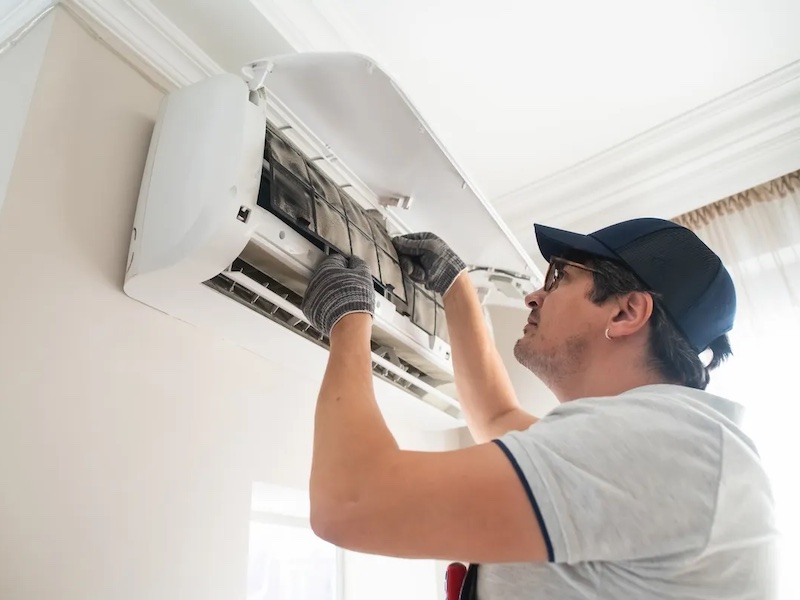
Step 4: HVAC System Review
HVAC systems can undo remediation work if moisture remains inside them.
Post-remediation HVAC checks may include:
- Inspecting air handlers and drain pans
- Confirming condensate lines are clear
- Checking for visible mold near vents or returns
- Evaluating condensation patterns
In Cocoa, HVAC-related moisture is one of the most common causes of mold recurrence.
Step 5: Odor Assessment
Odors provide valuable information.
During post-remediation checks, inspectors pay attention to:
- Musty or damp smells
- Odors that appear when the AC runs
- Smells concentrated in closets or hallways
Persistent odors often mean moisture or hidden mold still exists somewhere in the structure.
When Clearance Testing Is Added
Clearance testing may be recommended when:
- Mold growth was extensive
- HVAC systems were involved
- Multiple rooms were affected
- Documentation is needed
- The property is being sold or rented
Testing supports post-remediation checks but does not replace moisture evaluation.
Common Reasons Mold Returns After Remediation
Post-remediation checks help catch issues that lead to recurrence, such as:
- Hidden moisture behind walls or floors
- Humidity that wasn’t controlled
- Slab moisture rising after rain
- HVAC condensation problems
- Incomplete removal of affected materials
Most repeat mold problems trace back to missed moisture, not poor cleaning.
DIY Mold Work and Post-Remediation Checks
Some property owners perform DIY mold cleanup and assume the issue is resolved.
Post-remediation checks often reveal:
- Moisture sources were never addressed
- Mold remains behind surfaces
- Humidity is still too high
Even after DIY work, follow-up evaluation can prevent larger problems later.
Post-Remediation Checks in Rental and Commercial Properties
In rental or commercial settings, post-remediation checks are especially important.
They help:
- Document that work was completed properly
- Protect property owners and managers
- Reduce tenant complaints
- Prevent repeat disruptions
In Cocoa’s climate, documentation and verification matter.
Timing Matters for Post-Remediation Checks
Checks should be done:
- After materials are fully dry
- After containment is removed
- After normal airflow is restored
- Before rebuilding or repainting
Checking too early can give misleading results.
Preventing Mold After a Successful Check
Once post-remediation checks confirm stability, prevention becomes the focus.
Helpful steps include:
- Monitoring indoor humidity
- Maintaining HVAC systems
- Inspecting after storms
- Addressing small leaks promptly
- Watching previously affected areas
In Florida, prevention is ongoing—not one-time.
Why Local Cocoa Experience Matters
Post-remediation checks require understanding local climate behavior. Cocoa homes deal with humidity, slab foundations, storms, and long cooling seasons that influence how moisture behaves after remediation.
Professionals familiar with Cocoa know where moisture typically lingers and what normal conditions look like locally. Cocoa Mold Removal brings this local experience, helping property owners confirm remediation success realistically—not just on paper.
A Practical Takeaway for Property Owners
Mold remediation doesn’t truly end when the work crew leaves—it ends when conditions are verified and stable. In Cocoa, post-remediation mold checks provide confidence that the problem was solved correctly and won’t quietly return.
If your property recently underwent mold remediation, a follow-up check can confirm moisture is controlled, indoor conditions are normal, and your investment is protected. In Florida’s climate, verification is the final—and essential—step.
Relevant Images for This Article