After mold remediation work is completed in a home, many Cocoa Beach homeowners feel relieved, assuming the mold problem is finally resolved. In many cases, remediation successfully removes contamination and corrects moisture problems. However, one important step often follows professional cleanup: a post-remediation mold check.
Across Cocoa Beach and surrounding communities like Cocoa, West Cocoa, Port St. John, Sharpes, and Canaveral Groves, post-remediation checks help confirm that mold removal work was successful and that indoor conditions are safe moving forward.
Because Florida’s climate constantly introduces moisture challenges, verifying that mold problems have truly been resolved helps homeowners avoid future surprises. Understanding how post-remediation checks work helps Cocoa area property owners protect both their homes and indoor comfort.
What a Post-Remediation Mold Check Is
A post-remediation mold check is an inspection performed after mold removal and cleanup are completed. Its purpose is to confirm that:
- Mold contamination has been properly removed
- Affected areas have been cleaned correctly
- Moisture sources have been addressed
- Mold spores are no longer elevated indoors
- The home is ready for normal occupancy
It acts as a final quality control step after remediation work.
While remediation focuses on removal and cleanup, post-remediation checks verify that the results meet expected standards and that mold is unlikely to return due to unresolved conditions.
In Florida homes, where humidity remains high and storms frequently occur, this verification step offers reassurance.
Why Post-Remediation Checks Are Important in Cocoa Beach
Homes in Cocoa Beach and coastal Brevard County experience conditions that make mold growth easier than in many other regions.
Several factors make post-remediation checks valuable:
Coastal Humidity
Ocean air brings constant moisture. If materials are not fully dried after remediation, mold may regrow.
Storm and Rain Exposure
Heavy rain or tropical weather may reintroduce moisture into areas previously repaired.
AC System Moisture Issues
Air conditioning systems run constantly in summer, sometimes creating condensation issues after cleanup.
Hidden Moisture Risks
Even after remediation, moisture may remain inside walls or flooring if drying was incomplete.
Because moisture problems can quickly lead to mold regrowth, verifying dryness and cleanliness helps prevent recurrence.
When Post-Remediation Mold Checks Are Recommended
Not every mold cleanup requires formal verification, but post-remediation checks are often helpful in certain situations.
Homeowners commonly request checks when:
- Mold contamination covered a large area
- Mold was hidden inside walls or attics
- Multiple rooms were affected
- Indoor air quality was impacted
- Insurance claims required remediation
- A home sale is pending
- Occupants remain concerned about conditions
In larger or complex mold situations, confirmation that remediation succeeded provides peace of mind.
Step 1: Visual Inspection After Cleanup
The first step of a post-remediation check is a visual inspection of remediated areas.
Inspectors look for:
- Clean surfaces where mold was removed
- No visible mold growth remaining
- Removal of contaminated materials
- Proper replacement or repair of damaged areas
- No leftover debris or dust
Remediation areas should appear clean and restored, without signs of remaining contamination.
If visible mold remains, additional cleaning may be necessary before verification proceeds.
Step 2: Confirming Moisture Has Been Eliminated
Since mold cannot grow without moisture, confirming dryness is one of the most important parts of post-remediation checks.
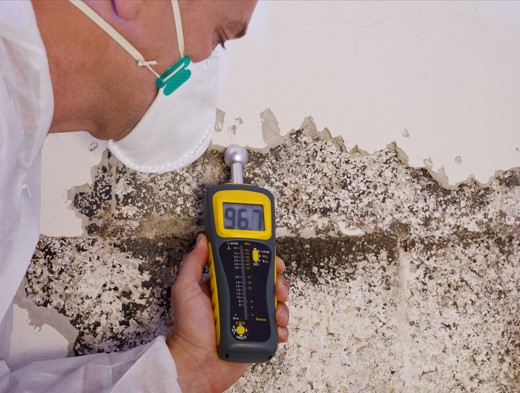
Inspectors often use tools to measure moisture levels in:
- Walls
- Flooring
- Ceilings
- Framing materials
- Previously affected areas
They also check whether:
- Leak sources have been repaired
- Drainage issues were corrected
- AC condensate systems function properly
- Indoor humidity levels are controlled
If moisture remains, mold may return even if cleanup was performed properly.
Step 3: Air Sampling to Evaluate Indoor Conditions
Air sampling is sometimes performed during post-remediation checks, especially when contamination was widespread.
Air sampling typically includes:
- Collecting air samples inside remediated areas
- Collecting samples in unaffected rooms
- Taking outdoor samples for comparison
- Sending samples to a laboratory
Laboratories compare indoor and outdoor mold spore levels to determine whether indoor air has returned to normal conditions.
If indoor levels are similar to outdoor levels, remediation likely succeeded.
Step 4: Evaluating HVAC Systems and Airflow
In many Cocoa Beach homes, HVAC systems can contribute to mold spread if not properly inspected during remediation.
Post-remediation checks may include examining:
- Air handlers
- Condensate drain lines
- Ductwork near affected areas
- Ventilation airflow
If mold spores entered HVAC systems before cleanup, spores could circulate through the home even after remediation.
Ensuring systems remain clean prevents contamination from returning.
What Happens If the Home Passes the Check
When post-remediation checks confirm acceptable conditions, homeowners gain reassurance that:
- Mold contamination has been removed
- Indoor air quality has improved
- Moisture problems were corrected
- The home is safe for normal living conditions
Documentation of successful remediation may also help during property sales or insurance claims.
Passing verification confirms cleanup efforts were effective.
What Happens If Problems Are Found
Sometimes post-remediation checks reveal remaining issues.
Possible findings include:
- Residual contamination
- Hidden moisture still present
- Incomplete material removal
- Cross-contamination during cleanup
- Ventilation issues
If problems remain, additional cleaning or drying may be recommended before conditions are rechecked.
While disappointing, discovering these issues early prevents mold from regrowing unnoticed.
Why DIY Post-Remediation Checks Can Be Misleading
Some homeowners try to confirm cleanup success themselves using store-bought testing kits or visual checks.
DIY approaches often fail to detect hidden moisture or contamination because:
- Mold spores are naturally present everywhere
- Surface appearance doesn’t reveal hidden problems
- DIY kits lack professional interpretation
- Moisture may remain behind walls or flooring
Professional evaluation provides a more reliable assessment of indoor conditions.
Why Moisture Control Matters More Than Testing Alone
Testing confirms conditions at one moment in time, but long-term mold prevention depends on ongoing moisture control.
Even after passing a post-remediation check, mold can return if moisture problems reappear.
Homeowners should maintain:
- Proper ventilation
- Controlled humidity
- Leak-free plumbing
- Well-maintained roofing
- Functioning AC systems
Prevention ensures mold does not return.
How Cocoa Beach Homeowners Can Prevent Mold After Remediation
After cleanup, homeowners can reduce future risk by:
- Inspecting homes after storms
- Maintaining gutters and drainage
- Servicing AC systems regularly
- Keeping indoor humidity below about 55%
- Ventilating bathrooms and laundry rooms
- Checking attics periodically
- Using dehumidifiers when needed
- Monitoring previously affected areas
Routine maintenance protects remediation investments.
Why Local Cocoa Area Experience Matters
Local experience plays a major role in accurate post-remediation checks.
Professionals familiar with Cocoa Beach and Brevard County understand:
- Coastal moisture patterns
- Typical storm-related intrusion points
- Common ventilation issues in Florida homes
- Construction styles common locally
- AC condensation challenges
Local knowledge allows inspectors to identify risks quickly and ensure long-term solutions.
Companies such as Cocoa Mold Removal often work with inspection professionals to help homeowners verify cleanup success and prevent mold from returning.
A Calm Next Step for Cocoa Beach Property Owners
Completing mold remediation is a major step toward restoring a healthy home environment, but confirming that cleanup was successful adds an extra layer of reassurance.
Post-remediation mold checks help homeowners move forward confidently, knowing contamination and moisture problems were properly addressed.
For property owners in Cocoa Beach and surrounding Cocoa area communities, verifying remediation success helps protect homes from recurring mold in Florida’s humid climate.
If you recently completed mold remediation and want peace of mind that conditions are normal again, a professional post-remediation check can provide clarity and help ensure your home remains comfortable and mold-free moving forward.