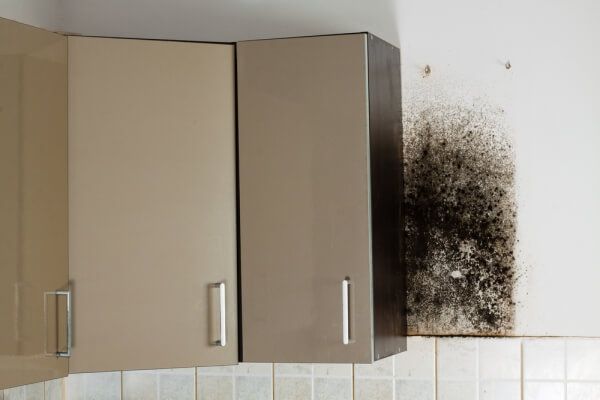
Mold Under Sinks in Canaveral Groves: What Cocoa Area Property Owners Should Know
Mold under sinks is one of the most common and most overlooked mold problems affecting homes in Canaveral Groves. Because the mold is hidden inside cabinets, many property owners don’t notice it until odors develop, cabinet materials begin to swell, or repeated cleaning fails to stop mold from coming back. In Brevard County’s humid climate, this type of mold problem is far more common than most homeowners expect.
Across Canaveral Groves, Cocoa, Cocoa Beach, West Cocoa, Port St. John, and Sharpes, mold under sinks is rarely caused by a single major leak. Instead, it usually develops from slow plumbing leaks, condensation, and trapped humidity—all of which can persist quietly inside enclosed cabinet spaces. Understanding why mold forms under sinks and how it behaves in Florida homes is key to preventing repeat issues.
This article explains why mold under sinks is so common in Canaveral Groves, where it typically develops, how it’s often discovered, and what Cocoa-area property owners should understand to address the problem correctly and keep it from returning.
Why Mold Under Sinks Is So Common in Canaveral Groves
Under-sink cabinets create nearly perfect conditions for mold growth.
Local factors that increase under-sink mold risk include:
- High year-round humidity
- Enclosed cabinet spaces with little airflow
- Plumbing lines carrying cold and warm water
- Slab foundations that raise indoor moisture levels
- Slow drying conditions after minor leaks
In Florida, even a small amount of moisture can remain long enough for mold to grow when airflow is limited.
Mold Under Sinks Rarely Starts With a Major Leak
Many homeowners assume mold under sinks means a dramatic plumbing failure. In reality, most cases involve slow, unnoticed moisture.
Common moisture sources include:
- Minor pipe drips
- Loose supply line fittings
- Condensation on cold water lines
- Small drain leaks
- Occasional splash or spill that never fully dries
Because these issues don’t always leave visible puddles, mold can grow quietly for weeks or months before discovery.
Why Under-Sink Mold Often Goes Undetected
Under-sink mold is easy to miss because:
- Cabinets hide plumbing completely
- Stored items block visibility
- Odors build slowly over time
- Moisture damage happens gradually
By the time mold is visible, it’s often already established on cabinet materials, drywall, or flooring beneath the sink.
Common Places Mold Develops Under Sinks
Mold under sinks doesn’t appear randomly—it follows moisture patterns inside the cabinet.
Cabinet Base Panels
The bottom of the cabinet is the most common mold location.
Mold develops because:
- Water drips downward
- Cabinet materials absorb moisture
- Airflow is minimal
Once cabinet bases become damp, they can support ongoing mold growth.
Back Walls Inside Cabinets
Cabinet back walls often hide plumbing penetrations.
Mold may develop:
- Around pipe entry points
- On drywall behind cabinets
- Where condensation forms on cooler surfaces
These areas are rarely inspected unless items are removed.
Around Supply Lines and Valves
Supply lines frequently sweat in humid conditions.
Mold often forms:
- On surrounding wood or drywall
- Beneath shut-off valves
- Along pipe insulation (if present)
Condensation alone can provide enough moisture for mold growth.
Drain Pipes and Traps
Drain connections are another common source.
Mold may appear:
- Around loose fittings
- Beneath slow leaks
- On cabinet surfaces below traps
These leaks are often intermittent, making them harder to detect.
Flooring Beneath the Cabinet
Mold can extend beyond the cabinet itself.
Growth may occur:
- Under vinyl or laminate flooring
- On subfloor materials
- Along baseboards outside the cabinet
This often leads to musty odors spreading into adjacent rooms.
Kitchens vs. Bathrooms: Differences in Under-Sink Mold
Under-sink mold occurs in both kitchens and bathrooms, but for slightly different reasons.
Kitchen sinks:
- Have multiple water connections
- Include dishwashers and filtration systems
- Experience temperature changes
Bathroom sinks:
- Produce frequent condensation
- Are often in smaller, less ventilated spaces
- May connect to shared plumbing walls
In both cases, the underlying issue is moisture that doesn’t fully dry.
Slab Foundations and Under-Sink Mold
Most homes in Canaveral Groves are built on slab foundations, which influence under-sink mold behavior.
Slabs can:
- Release moisture upward into cabinets
- Increase humidity near floors
- Keep cabinet bases damp longer
When slab moisture combines with plumbing condensation, mold risk increases significantly.
Why Mold Under Sinks Keeps Coming Back
Recurring mold is one of the most frustrating aspects of under-sink issues.
This usually happens because:
- Only visible mold is cleaned
- Cabinet materials remain damp internally
- Plumbing or condensation issues aren’t corrected
- Indoor humidity stays elevated
In Florida’s climate, mold almost always returns if moisture behavior doesn’t change.
Why Cleaning Alone Rarely Solves the Problem
Bleach and household cleaners are commonly used—but they rarely fix under-sink mold long-term.
Cleaning fails because:
- Mold roots remain inside porous cabinet materials
- Moisture sources stay active
- Hidden growth behind cabinets is untouched
- Condensation continues
Cleaning improves appearance temporarily but doesn’t stop regrowth.
How Under-Sink Mold Is Properly Addressed
Effective resolution focuses on both removal and moisture control.
Proper steps often include:
- Identifying and correcting plumbing issues
- Addressing condensation on pipes
- Removing mold-affected cabinet materials when necessary
- Cleaning and treating remaining surfaces
- Improving airflow inside cabinets
- Stabilizing indoor humidity
The goal is preventing moisture from lingering inside enclosed spaces.
Signs Mold Under Sinks May Be Present
Even without visible mold, there are warning signs.
Common indicators include:
- Musty odors near sinks
- Warped or swollen cabinet materials
- Soft cabinet bottoms
- Mold reappearing after cleaning
- Increased humidity in kitchens or bathrooms
These signs usually point to hidden moisture.
When Professional Evaluation Is Helpful
Under-sink mold often requires more than a quick look.
Professional evaluation helps:
- Identify hidden moisture sources
- Inspect behind cabinets and walls
- Assess slab-related moisture
- Prevent unnecessary cabinet removal
Many Canaveral Groves homeowners rely on experienced local providers like Cocoa Mold Removal because under-sink mold patterns in Florida require climate-specific knowledge.
Mold Testing in Under-Sink Situations
Testing isn’t always necessary, but it can help in some cases.
Testing may be useful when:
- Mold is suspected but not visible
- Odors persist without clear cause
- Multiple cabinets are affected
- Documentation is needed
Testing should always be interpreted alongside moisture findings.
Preventing Mold Under Sinks in Canaveral Groves Homes
Prevention is far easier than repeated cleanup.
Helpful prevention steps include:
- Periodically checking under sinks
- Addressing plumbing issues promptly
- Wiping up moisture immediately
- Allowing airflow inside cabinets
- Keeping indoor humidity below 55%
- Monitoring areas after storms or plumbing work
In Florida, prevention must be consistent—not occasional.
Why Local Experience Matters
Under-sink mold behaves differently in Florida than in drier regions.
Local professionals understand:
- Brevard County humidity cycles
- Slab foundation moisture behavior
- Common plumbing layouts in Canaveral Groves homes
- How condensation interacts with cabinet materials
That experience helps identify real causes and avoid ineffective fixes.
Under-Sink Mold and Property Value
Mold under sinks is often discovered during inspections.
It can affect:
- Buyer confidence
- Inspection outcomes
- Repair negotiations
- Perceived maintenance quality
Properly addressing under-sink mold—and documenting the work—helps protect long-term property value.
Monitoring After Mold Is Addressed
Once under-sink mold is resolved, monitoring matters.
Property owners should:
- Recheck cabinets periodically
- Watch for returning odors
- Monitor humidity levels
- Inspect after plumbing work
Under-sink mold problems usually return slowly—early detection makes prevention easier.
A Practical Takeaway for Property Owners
Mold under sinks in Canaveral Groves is extremely common—and often underestimated. It develops quietly from slow leaks, condensation, slab moisture, and limited airflow, often long before visible damage appears.
Property owners who focus on early detection, moisture control, and proper evaluation are far more successful at preventing under-sink mold from returning. In Canaveral Groves and throughout the Cocoa area, protecting what’s hidden inside cabinets is a critical step in protecting the entire home from recurring mold problems.