Mold Removal in West Cocoa: What Cocoa Area Property Owners Should Know
Homeowners in West Cocoa and throughout Brevard County are familiar with Florida’s constant battle against moisture. Between summer storms, coastal humidity, plumbing leaks, and heavy air-conditioning use, homes in the region regularly experience conditions that allow mold to develop.
In many cases, mold problems start quietly after water intrusion or long-term humidity exposure. Homeowners may first notice a musty smell, minor wall discoloration, or damp areas before realizing mold has begun growing behind walls or under flooring. By the time mold becomes visible, contamination may already be spreading through hidden areas.
Mold removal focuses on safely eliminating mold growth while correcting the moisture conditions that caused the problem. For property owners in West Cocoa, Cocoa, Cocoa Beach, Port St. John, Sharpes, and Canaveral Groves, understanding how mold removal works helps prevent recurring problems and protect long-term property value.
How Mold Develops Inside Homes
Mold spores naturally exist in indoor and outdoor air at all times. Under dry conditions, they remain inactive and harmless. Problems begin when moisture becomes trapped inside building materials long enough for mold to grow.
Materials commonly affected inside homes include:
- Drywall and insulation
- Flooring and subfloors
- Carpet and padding
- Cabinets and trim
- Wood framing
- Ceiling materials
- Stored household items
Once moisture enters these materials, mold can begin growing within 24 to 48 hours.
Because moisture often remains hidden after leaks or humidity buildup, mold frequently spreads behind walls or beneath flooring before homeowners realize there is an issue.
Why Homes in West Cocoa Face Mold Risks
Homes in West Cocoa experience several environmental factors that make mold problems more common than in many other regions.
Frequent Storm and Rain Activity
Summer storms and hurricane-season weather often cause roof or window leaks that introduce moisture into homes.
High Humidity Year-Round
Humidity slows natural drying, allowing moisture to linger indoors.
Slab Foundation Construction
Many local homes are built on concrete slabs, which can trap moisture beneath flooring after leaks or flooding.
Continuous AC Operation
Air-conditioning systems run most of the year. Drain line clogs or condensation issues sometimes create hidden moisture buildup.
Aging Home Components
Older roofs, plumbing lines, or insulation systems may allow small leaks to go unnoticed.
These conditions make mold removal a common need after water intrusion or humidity problems.
Signs Mold Removal May Be Necessary
Mold problems often develop gradually, and homeowners may notice small warning signs before visible contamination spreads.
Common indicators include:
- Persistent musty odors
- Ceiling or wall discoloration
- Bubbling paint or drywall
- Warped flooring or baseboards
- Visible mold spots
- Damp or humid indoor air
- Recurring moisture problems
Sometimes mold is discovered during remodeling or flooring replacement projects.
When mold growth spreads across surfaces or returns after cleaning, professional removal may be necessary.
Hidden Areas Mold Often Develops in Homes
Mold frequently grows in areas homeowners rarely inspect, allowing contamination to spread unnoticed.
Common hidden mold locations include:
- Behind drywall after leaks
- Beneath laminate or vinyl flooring
- Under carpet padding
- Inside cabinets or vanities
- Attics after roof leaks
- HVAC systems and ducts
- Laundry rooms or garages
- Closets along exterior walls
Attic mold is particularly common in Florida homes because heat and humidity accumulate under roofs. Small leaks may allow mold growth long before ceiling stains appear.
Moisture beneath flooring is another frequent issue after storms or plumbing leaks.
What Happens During Professional Mold Removal
Professional mold removal focuses on safely removing contamination while correcting moisture conditions that allowed mold to grow.
Typical removal steps include:
Inspection and Planning
Technicians first evaluate the extent of mold growth and determine which materials are affected.
Containment Setup
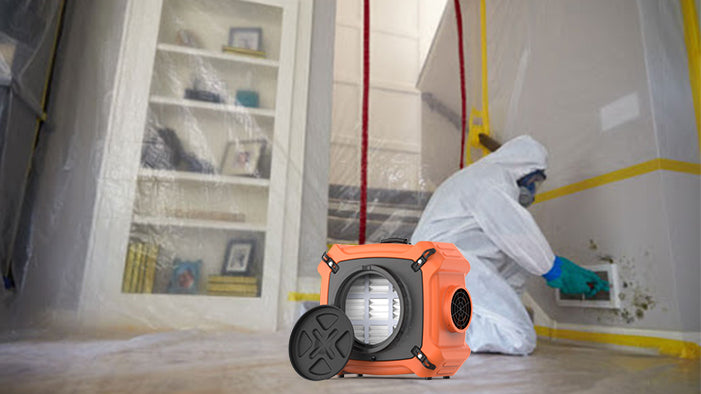
Plastic barriers and negative air pressure systems seal off affected areas to prevent mold spores from spreading during cleanup.
Air Filtration
Professional air scrubbers remove airborne mold spores while removal work is underway.
Removal of Damaged Materials
Wet drywall, insulation, or flooring may need removal if contamination is severe.
Cleaning and Treatment
Salvageable surfaces are cleaned using professional methods designed to remove mold safely.
Drying and Moisture Correction
Leaks, ventilation issues, or drainage problems are corrected to prevent mold from returning.
Final Evaluation
Affected areas are reviewed to ensure removal is complete before repairs or reconstruction begin.
The goal is to stabilize the home and prevent mold from returning in the future.
Why Quick Mold Removal Matters
Delaying mold removal often allows contamination to spread and increases repair costs.
Early removal helps:
- Prevent mold spread into additional rooms
- Reduce repair and restoration costs
- Protect indoor comfort
- Avoid recurring moisture problems
- Preserve property value
Addressing mold early usually keeps removal projects smaller and less disruptive.
Why DIY Mold Removal Often Fails
Some homeowners try to clean mold themselves, but mold frequently returns when moisture conditions remain unresolved.
Common DIY cleanup challenges include:
Cleaning Only Visible Mold
Hidden mold behind walls or under flooring remains active.
Improper Cleaning Products
Household cleaners often fail to eliminate mold embedded in porous materials.
Moisture Problems Continue
Leaks or humidity issues remain uncorrected.
Mold Spores Spread During Cleanup
Disturbing mold without containment spreads contamination to other areas.
Florida’s humid environment makes professional moisture correction critical for long-term success.
Preventing Mold After Removal
Once mold is removed, prevention becomes the key to avoiding future problems.
Helpful prevention steps include:
- Inspecting roofs after storms
- Maintaining AC systems and drain lines
- Repairing plumbing leaks promptly
- Using dehumidifiers when humidity rises
- Ventilating bathrooms and kitchens
- Checking attics after heavy rain
- Monitoring indoor humidity levels
- Inspecting closets and storage areas periodically
Routine inspections after storms or plumbing issues help catch moisture problems early.
Why Local Mold Experience Matters
Mold conditions vary depending on climate and building style. Professionals familiar with West Cocoa and surrounding communities understand how Florida weather affects local homes.
Local experience helps identify:
- Storm-related roof leak patterns
- Slab foundation moisture concerns
- AC condensation problems
- Seasonal humidity impacts
- Older construction vulnerabilities
Professionals serving Brevard County, including Cocoa Mold Removal, frequently assist homeowners dealing with these moisture challenges because they are common throughout the region.
Local knowledge often leads to faster identification of moisture sources and more effective long-term solutions.
A Practical Next Step for West Cocoa Homeowners
If your home has experienced leaks, flooding, persistent humidity, or unexplained odors, it may be wise to evaluate conditions before mold spreads further.
Even when surfaces appear dry, hidden moisture may remain inside walls or beneath flooring. Professional evaluation can help determine whether mold removal or moisture correction is necessary.
For homeowners in West Cocoa and surrounding Cocoa-area communities, addressing mold concerns early helps prevent larger repair projects later. Taking action quickly helps protect indoor comfort, property value, and long-term home stability.