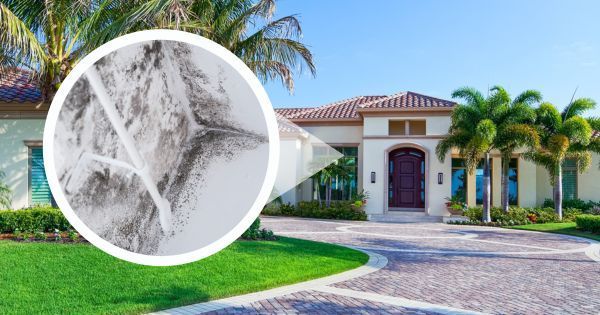
Mold Prevention Tips in Sharpes: What Cocoa Area Property Owners Should Know
Preventing mold is far easier—and far less expensive—than dealing with mold after it takes hold. In Sharpes and throughout Brevard County, mold prevention is not about perfection or constant cleaning. It’s about understanding how moisture behaves in Florida homes and taking practical steps to keep it under control.
Sharpes property owners face the same challenges found across the region: high humidity, frequent rain, storm activity, slab foundations, and heavy reliance on air conditioning. These conditions make mold a constant possibility, even in well-maintained homes. The good news is that most mold problems are preventable when moisture is managed correctly. Knowing where mold starts and how to reduce risk helps property owners protect their homes year-round.
Why Mold Prevention Is Especially Important in Sharpes
Sharpes sits in an environment where moisture is part of daily life. Humidity levels stay high for much of the year, and even short rain events can raise indoor moisture if homes are not properly sealed or ventilated. Air conditioning systems run frequently, creating condensation that must be managed carefully.
Unlike drier climates, Florida homes do not naturally dry out on their own. When moisture enters a Sharpes home—whether from rain, plumbing leaks, condensation, or everyday living—it often stays longer than expected. That lingering moisture is what allows mold to develop.
Mold prevention in Sharpes is less about reacting to visible mold and more about controlling the conditions that allow mold to grow in the first place.
Understand What Mold Needs to Grow
Mold requires three basic things: moisture, a food source, and time. Homes provide plenty of food sources in the form of drywall, wood, insulation, dust, and fabrics. Time is easy for mold to get when moisture goes unnoticed.
That means moisture is the key factor property owners can control. Preventing mold in Sharpes starts with limiting how much moisture enters the home and how long it stays there.
If a surface or material stays damp long enough, mold can develop—even if the home looks clean and well cared for.
Control Indoor Humidity Consistently
One of the most effective mold prevention steps is keeping indoor humidity at reasonable levels. In Sharpes homes, humidity can rise quickly, especially during rainy seasons or when air conditioning is not running properly.
Air conditioning systems play a major role in humidity control. Systems that are oversized, poorly maintained, or not running long enough may cool the air without removing sufficient moisture. This can leave the home feeling cool but still damp.
Using exhaust fans, running AC consistently, and avoiding long periods with the system turned off helps keep humidity under control. During extended rainy periods or vacancy, dehumidification can make a significant difference.
Maintain HVAC Systems to Prevent Mold
HVAC systems are one of the most common sources of mold problems when not properly maintained. Condensation forms naturally inside air handlers and on evaporator coils. When drainage is not working correctly, moisture can build up and allow mold to grow.
Sharpes property owners should ensure that AC drain lines remain clear and drain pans are functioning properly. Filters should be changed regularly to reduce dust buildup, which provides food for mold inside the system.
Ductwork should also be sealed and insulated, especially in attics. Poorly insulated ducts can sweat in Florida’s heat, introducing moisture into ceilings and wall cavities.
Regular HVAC maintenance is not just about comfort—it’s a critical part of mold prevention.
Address Plumbing Issues Immediately
Slow plumbing leaks are one of the most common causes of hidden mold. Under sinks, behind toilets, inside walls, and beneath floors, small leaks can go unnoticed for months.
In Sharpes homes, slab foundations often conceal plumbing lines beneath flooring or inside walls. When leaks occur, moisture may spread outward under floors or into wall cavities before any surface signs appear.
Property owners should periodically inspect under sinks, around appliances, and near water heaters for signs of moisture. Any leaks, even small ones, should be repaired immediately. Delaying repairs allows moisture to spread and increases the risk of mold.
Improve Ventilation in High-Moisture Areas
Bathrooms, kitchens, and laundry areas generate large amounts of moisture. Without proper ventilation, that moisture stays inside the home and settles on walls, ceilings, and cabinets.
Exhaust fans should be used during and after showers and cooking. Fans must vent outside the home—not into attics or wall cavities. Improperly vented fans are a common source of attic mold in Brevard County.
In Sharpes homes where bathrooms lack adequate ventilation, moisture can build up quickly, leading to mold on ceilings, behind walls, or inside vanities.
Good ventilation removes moisture before it becomes a problem.
Pay Attention After Heavy Rain and Storms
Storms are a major mold trigger in Sharpes. Even when flooding does not occur, wind-driven rain can enter through small gaps around roofs, windows, doors, and siding.
After heavy rain or storms, property owners should check ceilings, walls, and attic spaces for signs of water intrusion. Even minor roof leaks can allow moisture to drip into insulation or wall cavities.
Storm-related moisture often dries on the surface while remaining trapped behind materials. Catching these issues early helps prevent hidden mold growth.
Keep Attics Dry and Well Ventilated
Attics are one of the most common locations for mold in Florida homes. Heat buildup, poor ventilation, roof leaks, and improperly vented exhaust fans all contribute to attic moisture problems.
Sharpes property owners should ensure that attics have balanced intake and exhaust ventilation. Soffit vents, ridge vents, and gable vents should be clear and functioning.
Bathroom and kitchen exhaust fans must vent outdoors, not into the attic. Warm, moist air released into attic spaces condenses on roof decking and trusses, leading to mold growth over time.
Periodic attic inspections help catch moisture issues before mold spreads.
Prevent Moisture Around Floors and Foundations
Mold often develops beneath flooring when moisture enters from plumbing leaks, spills, or exterior intrusion. Tile, vinyl, and laminate flooring can trap moisture underneath, allowing mold to grow out of sight.
Property owners in Sharpes should dry spills and leaks thoroughly, not just on the surface. Areas near sinks, dishwashers, washing machines, and water heaters deserve special attention.
Exterior drainage also matters. Water should flow away from the home’s foundation. Poor drainage allows moisture to collect near slab edges or seep into wall systems.
Keeping water away from the structure reduces the risk of under-floor and wall mold.
Inspect Hidden Areas Regularly
Many mold problems start in places homeowners rarely look. Cabinets under sinks, behind appliances, inside closets, and around HVAC components are common trouble spots.
Opening cabinets periodically and checking for moisture, odors, or staining helps catch problems early. Musty smells are often the first sign that moisture is present somewhere it shouldn’t be.
Hidden mold grows quietly. Regular inspection is one of the simplest and most effective prevention tools.
Be Careful During Vacancy Periods
Homes that sit vacant are at higher risk for mold in Florida. When air conditioning is turned off or set too high, indoor humidity can rise rapidly—even without leaks.
Sharpes property owners should maintain some level of climate control during vacancy periods. Keeping the AC running at a reasonable setting helps control humidity and prevent moisture buildup.
This is especially important for rental properties, seasonal homes, or properties listed for sale.
Avoid Over-Reliance on Surface Cleaning
Cleaning visible mold does not prevent future mold. In many cases, repeated surface cleaning masks underlying moisture problems rather than solving them.
Bleach and household cleaners do not address moisture sources or hidden growth. Mold prevention is about stopping moisture, not scrubbing surfaces.
If mold appears repeatedly in the same area, it’s a sign that moisture control needs attention.
When Professional Guidance Helps With Prevention
Some moisture issues are difficult to identify without experience and proper tools. Hidden leaks, HVAC condensation problems, and ventilation issues may not be obvious to property owners.
Local professionals familiar with Brevard County homes understand how mold develops in Sharpes specifically. Cocoa Mold Removal regularly works with property owners to identify moisture risks before they become full mold problems.
Preventive inspections and moisture assessments can help catch issues early and guide targeted improvements that reduce long-term risk.
Why Local Sharpes Experience Matters for Mold Prevention
Mold prevention strategies are not one-size-fits-all. Sharpes homes face Florida-specific challenges tied to climate, construction styles, and storm exposure.
Professionals familiar with Brevard County understand how slab foundations, attic ductwork, coastal humidity, and heavy AC use affect moisture behavior. This local knowledge leads to more effective prevention strategies than generic advice.
Property owners in Sharpes, Cocoa, Cocoa Beach, West Cocoa, Port St. John, and Canaveral Groves benefit from prevention approaches tailored to local conditions.
A Practical, Long-Term Approach to Mold Prevention
Mold prevention in Sharpes is not about eliminating moisture completely—that’s unrealistic in Florida. It’s about managing moisture so it doesn’t linger long enough for mold to grow.
Consistent HVAC maintenance, prompt leak repairs, proper ventilation, storm awareness, and regular inspections form the foundation of effective mold prevention. These steps protect not only indoor conditions but also the structure and value of the home.
For Sharpes property owners, staying proactive is the key. When moisture is controlled, mold struggles to gain a foothold. And when questions arise, a knowledgeable local provider like Cocoa Mold Removal can help assess risks and guide prevention efforts—keeping homes drier, healthier, and easier to maintain over time.