Mold Prevention Tips in Cocoa Beach: What Cocoa Area Property Owners Should Know
Mold prevention is a constant concern for property owners in Cocoa Beach. Living near the coast means enjoying ocean breezes and warm weather—but it also means dealing with high humidity, frequent rain, salt air, and year-round air conditioning. These conditions make mold prevention an ongoing responsibility rather than a one-time task.
For homeowners, landlords, and property managers in Cocoa Beach and nearby Cocoa-area communities, preventing mold isn’t about harsh chemicals or constant cleaning. It’s about controlling moisture, understanding how Florida homes behave, and catching small issues before they turn into expensive problems.
Why Mold Prevention Is Especially Important in Cocoa Beach
Cocoa Beach homes face unique environmental challenges that make mold easier to grow and harder to prevent if moisture isn’t managed carefully.
Coastal humidity keeps indoor moisture levels elevated even with AC running.
Salt air can accelerate wear on windows, doors, and HVAC components, leading to leaks.
Frequent storms and heavy rain increase the risk of water intrusion.
Warm temperatures allow mold to grow quickly once moisture is present.
Slab foundations common in the area can trap moisture beneath flooring.
Because mold grows quietly, prevention is always easier—and cheaper—than remediation.
Understand the Real Cause of Mold: Moisture
Mold does not grow because a home is dirty. It grows because moisture is present long enough to support growth. In Cocoa Beach homes, moisture often comes from sources that aren’t immediately obvious.
Common moisture sources include:
- High indoor humidity
- AC condensation
- Plumbing leaks
- Roof or window intrusion
- Moisture trapped under flooring
- Poor ventilation in bathrooms and kitchens
Preventing mold starts with identifying and controlling these moisture sources.
Control Indoor Humidity Year-Round
Humidity control is the foundation of mold prevention in Cocoa Beach.
Even when the air conditioner is running, indoor humidity can remain high—especially in coastal areas. Ideally, indoor humidity should stay below 55%, and preferably closer to 45–50%.
Helpful humidity-control tips:
- Run AC consistently, even when the home is unoccupied
- Use dehumidification if humidity stays elevated
- Avoid turning the AC off completely during vacations
- Keep interior doors open to improve airflow
- Monitor humidity with a simple indoor hygrometer
Homes that “feel cool” can still be too humid for mold prevention.
Pay Close Attention to HVAC Systems
HVAC systems are one of the most common contributors to mold problems in Cocoa Beach homes.
Air conditioners remove moisture from the air, but only if they’re functioning and draining properly.
Prevention tips include:
- Keep condensate drain lines clear
- Have drain pans inspected regularly
- Change air filters on schedule
- Ensure ducts are properly sealed and insulated
- Watch for condensation around vents or air handlers
Small HVAC moisture issues can quietly feed mold growth in walls, ceilings, or ductwork.
Ventilation Matters More Than You Think
Poor ventilation allows moisture to linger, especially in high-use areas.
Bathrooms, kitchens, and laundry rooms are the most common trouble spots.
Ventilation best practices:
- Always use bathroom exhaust fans during and after showers
- Run kitchen exhaust fans while cooking
- Make sure exhaust fans vent outdoors—not into attics
- Leave bathroom doors open after showers when possible
- Avoid blocking vents with furniture or storage
Ventilation removes moisture before mold has time to develop.
Inspect Plumbing Regularly—Even When Nothing Looks Wrong
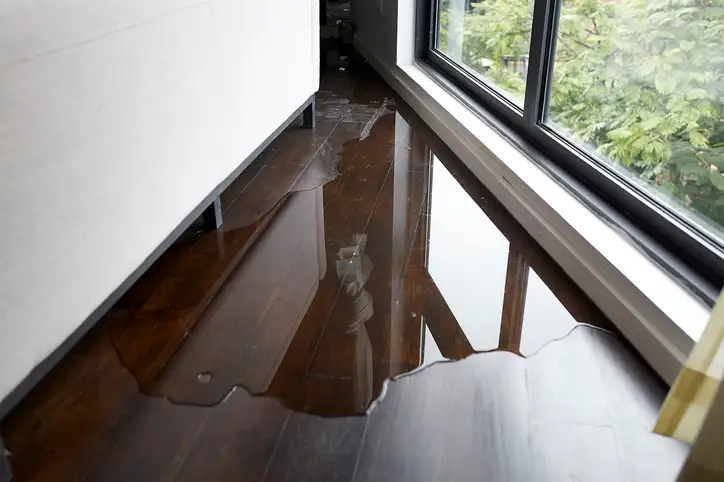
Plumbing leaks don’t have to be dramatic to cause mold. In Cocoa Beach homes, slow leaks are often the biggest problem.
Check these areas regularly:
- Under sinks
- Around toilets
- Behind washing machines
- Around dishwashers and refrigerators
- Near water heaters
If cabinets smell musty or feel damp, moisture may already be present—even without visible water.
Be Careful With Flooring and Moisture
Mold under flooring is extremely common in Cocoa Beach due to slab foundations and coastal humidity.
Flooring materials like tile, laminate, and vinyl can trap moisture underneath if leaks or condensation occur.
Prevention tips:
- Clean up spills immediately
- Investigate warped, buckling, or loose flooring
- Avoid installing new flooring over damp slabs
- Monitor humidity near exterior walls
- Pay attention to musty odors near floor level
If moisture gets trapped beneath flooring, mold can grow unnoticed for months.
Watch for Early Warning Signs of Moisture Problems
Mold prevention means responding to early warning signs—not waiting for visible mold.
Signs to watch for:
- Musty or earthy odors
- Condensation on windows or walls
- Bubbling paint or peeling drywall
- Soft or warped cabinet materials
- Persistent humidity in certain rooms
- Mold that returns after cleaning
These signs usually point to moisture that needs attention.
Storm and Rain Prevention Is Critical
Cocoa Beach homes are exposed to storms, wind-driven rain, and tropical weather. After storms, moisture intrusion isn’t always obvious.
Post-storm prevention steps:
- Inspect ceilings and walls for staining
- Check around windows and doors
- Look for damp smells or humidity spikes
- Inspect attics if accessible
- Monitor floors near exterior walls
Storm-related moisture that isn’t addressed quickly often leads to hidden mold later.
Don’t Ignore Attics and Crawl Spaces
Out-of-sight areas are some of the most common mold sources.
Attics can trap hot, humid air, while crawl spaces often collect ground moisture.
Prevention tips:
- Ensure attic ventilation is balanced
- Make sure bathroom fans don’t vent into attics
- Inspect crawl spaces after heavy rain
- Maintain vapor barriers where applicable
- Seal air leaks between living spaces and these areas
Problems in these spaces often affect the rest of the home.
Avoid Overreliance on Cleaning Products
Cleaning products don’t prevent mold if moisture remains.
Bleach and sprays may remove surface stains, but they:
- Do not fix moisture problems
- Do not reach mold inside materials
- Often allow mold to return
Prevention is about environmental control, not repeated cleaning.
Regular Inspections Help Catch Problems Early
Preventive inspections help identify moisture issues before mold develops.
Periodic inspections may include:
- Moisture readings in walls and floors
- HVAC and duct evaluations
- Plumbing checks
- Attic and crawl space reviews
In Cocoa Beach homes, early detection often prevents costly remediation later.
Why Local Cocoa Beach Experience Matters
Mold prevention in Cocoa Beach isn’t the same as mold prevention inland or in cooler climates. Coastal humidity, salt air, slab construction, and storm exposure all affect how moisture behaves in homes here.
Professionals familiar with Cocoa Beach understand where moisture problems typically start and how mold develops locally. Cocoa Mold Removal brings this local knowledge, helping property owners prevent mold rather than react to it.
A Practical Prevention Mindset
Mold prevention isn’t about perfection—it’s about consistency and awareness. Controlling humidity, responding quickly to moisture, maintaining HVAC systems, and paying attention to early warning signs make a major difference in Cocoa Beach homes.
When moisture is managed properly, mold has little opportunity to grow. Prevention protects your property, reduces repair costs, and helps maintain a healthier indoor environment in Florida’s coastal climate.
Relevant Images for This Article