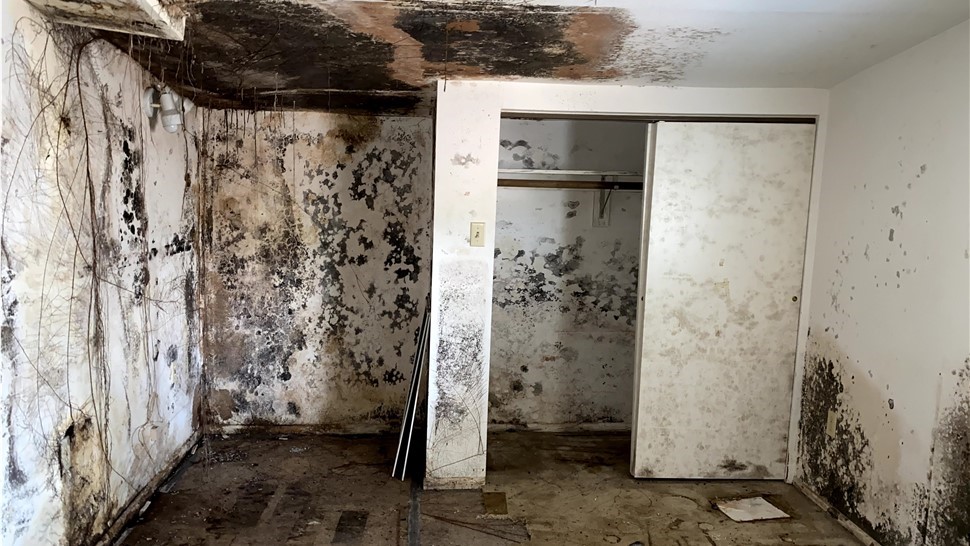
Mold Prevention for Coastal Homes in Canaveral Groves: What Cocoa Area Property Owners Should Know
Owning a coastal home in Canaveral Groves means enjoying Florida breezes and proximity to the water—but it also means living with persistent moisture pressure. Many homeowners are surprised to learn that mold problems don’t always come from leaks or flooding. In coastal areas, mold prevention is less about emergency cleanup and more about consistent moisture control.
For homeowners, landlords, and property managers in Canaveral Groves and the surrounding Cocoa-area communities, understanding how coastal conditions affect indoor moisture—and what actually works to prevent mold—can save time, money, and frustration. The good news: mold prevention is very achievable when you know where to focus.
Why Coastal Homes in Canaveral Groves Are More Vulnerable to Mold
Coastal living changes how moisture behaves around and inside a home.
In Canaveral Groves, coastal influence often means:
- Higher ambient humidity most of the year
- Slower drying after rain or overnight dew
- Frequent condensation on cool surfaces
- Moist soil near slab foundations
- Long cooling seasons with constant AC use
Even well-built, well-maintained homes can develop mold if these conditions aren’t managed consistently.
Mold Prevention Starts With Understanding Moisture—not Mold
Mold spores are everywhere, indoors and outdoors. Prevention isn’t about eliminating spores—it’s about making conditions unfavorable for growth.
Mold prevention focuses on:
- Controlling indoor humidity
- Preventing condensation
- Ensuring materials dry fully
- Improving airflow in problem areas
When moisture is controlled, mold doesn’t thrive.
Keep Indoor Humidity Below ~55%
Humidity control is the single most important prevention step for coastal homes.
In Canaveral Groves:
- Outdoor humidity is often high, even on mild days
- Indoor humidity can rise quickly if AC use is inconsistent
Practical steps:
- Run air conditioning consistently, even when the home is empty
- Use a dehumidifier in persistently damp areas
- Monitor humidity with a simple hygrometer
Homes can feel comfortable while still being humid enough to support mold—numbers matter.
Don’t Turn the AC Off When the House Is Empty
Many coastal mold problems start when homes sit vacant.
When AC is turned off:
- Humidity rises rapidly
- Airflow drops
- Closets and cabinets stay damp
- Mold conditions develop quietly
Keeping the AC running at a reasonable setting protects the home by removing moisture—not just cooling air.
Watch for Condensation—It’s a Major Mold Trigger
Condensation is one of the most overlooked moisture sources in coastal homes.
Common condensation spots include:
- AC vents and ductwork
- Windows and sliding glass doors
- Exterior-facing walls
- Tile floors and slab surfaces
- Metal plumbing pipes
If you see condensation regularly, it’s a sign humidity is too high or airflow is limited.
Slab Foundations Require Extra Attention
Many Canaveral Groves homes are built on concrete slabs, which interact closely with moisture.
After rain or during humid periods:
- Moisture vapor can rise through the slab
- Flooring traps moisture underneath
- Drying slows significantly
Preventive tips:
- Watch baseboards for staining or warping
- Address flooring odors early
- Avoid trapping moisture with rugs or plastic barriers
Hidden moisture under flooring is a common source of recurring mold.
Improve Airflow in Mold-Prone Areas
Airflow helps surfaces dry. Poor airflow traps moisture.
Focus on:
- Closets on exterior walls
- Laundry rooms
- Bathrooms
- Under-sink cabinets
- Storage rooms and garages
Simple improvements include:
- Leaving closet doors open periodically
- Using louvered doors where possible
- Avoiding overpacking storage spaces
- Using fans appropriately after showers
Dry air movement is mold’s enemy.
Use Bathroom and Kitchen Exhaust Fans Properly
Exhaust fans are essential in coastal homes.
Best practices:
- Run bathroom fans during showers and for 20–30 minutes after
- Ensure fans actually vent outdoors
- Use kitchen exhaust when cooking
Fans that don’t vent outside or aren’t used regularly allow moisture to linger where mold can grow.
Inspect Under Sinks and Appliances Regularly
Slow leaks are common and often overlooked.
Check periodically:
- Under kitchen and bathroom sinks
- Around dishwashers
- Near washing machines
- Behind refrigerators with ice makers
Even minor leaks can create ongoing moisture that leads to hidden mold.
Pay Attention to Closets—They’re Early Warning Zones
Closets are often the first place mold appears in coastal homes.
Why closets are vulnerable:
- Limited airflow
- Cooler exterior walls
- Stored items blocking circulation
Prevention tips:
- Leave space between items and walls
- Rotate stored items periodically
- Use moisture absorbers cautiously (they help, but don’t replace humidity control)
If mold starts in a closet, it’s often a sign of broader humidity issues.
Maintain HVAC Systems With Moisture in Mind
Your HVAC system is the heart of moisture control.
Preventive maintenance includes:
- Keeping condensate drain lines clear
- Checking drain pans for standing water
- Replacing filters regularly
- Ensuring proper airflow
HVAC moisture problems often affect the entire home, not just one room.
After Storms, Check for Subtle Moisture Changes
Storms don’t need to cause flooding to affect indoor moisture.
After heavy rain:
- Indoor humidity may rise
- Slab moisture can increase
- Condensation patterns may change
A quick post-storm walkthrough helps catch issues early—before mold develops.
Avoid Common DIY Mold Prevention Mistakes
Some well-meaning prevention efforts can backfire.
Avoid:
- Opening windows to “air out” the house during humid weather
- Turning off AC for long periods
- Relying solely on sprays or foggers
- Painting over moisture-prone areas without addressing humidity
In coastal Florida, outside air is usually more humid than indoor air.
When a Professional Evaluation Helps
Even with good prevention habits, coastal homes benefit from periodic professional checks.
A professional evaluation may include:
- Indoor humidity measurements
- Moisture readings in walls and floors
- HVAC moisture assessment
- Slab-level moisture evaluation
- Identification of condensation patterns
In Canaveral Groves, these evaluations often reveal small adjustments that prevent major mold problems later.
Mold Testing: When It’s Useful for Prevention
Mold testing isn’t always needed for prevention, but it can help when:
- Musty odors persist without visible mold
- Multiple rooms feel damp
- Documentation is needed for peace of mind
Testing works best when paired with moisture evaluation.
How Prevention Protects Property Value
Coastal buyers expect humidity—but they don’t expect unresolved mold issues.
Consistent mold prevention:
- Reduces inspection concerns
- Prevents odors that hurt buyer confidence
- Protects finishes and materials
- Preserves long-term property value
Prevention is far less costly than remediation.
Why Local Canaveral Groves Experience Matters
Coastal moisture behaves differently than inland humidity. Canaveral Groves homes face salt-air influence, slab moisture pressure, and slower drying that change how mold develops.
Professionals familiar with local coastal conditions understand where moisture builds up and how to prevent mold effectively. Cocoa Mold Removal brings this local experience, helping property owners focus on prevention instead of repeated cleanup.
A Practical Takeaway for Property Owners
Mold prevention in coastal homes isn’t about perfection—it’s about consistency. In Canaveral Groves, mold issues usually come from persistent humidity, condensation, and slow drying, not neglect.
By controlling indoor humidity, running AC consistently, improving airflow, monitoring moisture-prone areas, and responding early to subtle changes, property owners can prevent mold before it starts. In Florida’s coastal climate, proactive moisture management is the key to mold-free living.
Relevant Images for This Article