
Mold Prevention for Businesses in Sharpes: What Cocoa Area Property Owners Should Know
For business owners and commercial property managers in Sharpes, mold prevention is not optional—it is a necessary part of protecting employees, customers, inventory, and long-term property value. Located near the Indian River and influenced by Florida’s coastal humidity, Sharpes businesses face persistent moisture challenges that can quickly lead to mold growth if not properly managed.
Mold problems rarely appear overnight. They usually start with small moisture issues that go unnoticed until odors, visible growth, or health complaints force action. By that point, remediation can be expensive and disruptive. Understanding how mold forms, where it hides, and how to prevent it is one of the smartest investments Cocoa area property owners can make.
This guide explains why mold prevention matters for businesses in Sharpes, where risks are highest, and what proactive steps help keep commercial spaces clean, compliant, and operational.
Why Mold Prevention Is Critical for Sharpes Businesses
Sharpes experiences high humidity, heavy rainfall, and warm temperatures for much of the year. These conditions create the perfect environment for mold spores to grow once moisture is present indoors.
Commercial properties are particularly vulnerable because they often include:
- Large roof surfaces exposed to prolonged sun and rain
- Continuous HVAC operation that produces condensation
- Plumbing systems with frequent daily use
- Storage areas with limited airflow
- Regular foot traffic bringing moisture inside
Mold spores are always present in the air. Preventing mold is really about preventing moisture from lingering inside your building.
Common Moisture Sources in Commercial Buildings
Understanding where moisture comes from is the foundation of effective mold prevention.
Roof Leaks and Drainage Issues
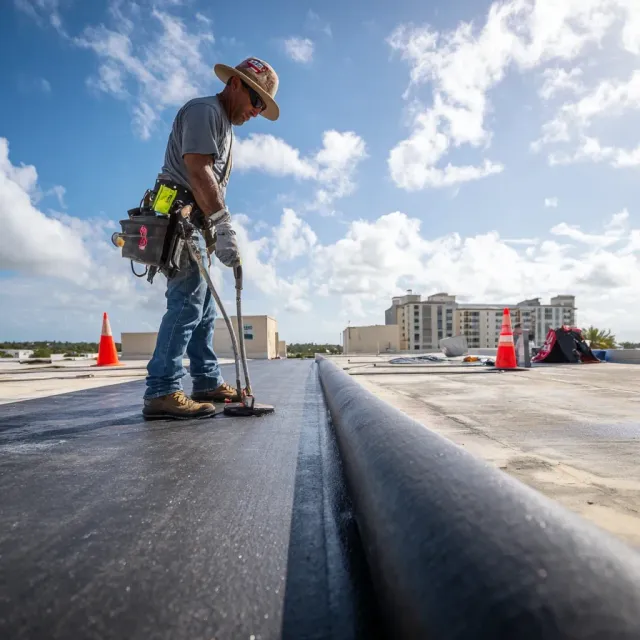
Flat or low-slope commercial roofs are common in Sharpes. Even small leaks can allow water to soak insulation and ceiling materials long before stains become visible.
HVAC Condensation
Air conditioning systems remove humidity from the air, but clogged drain lines, dirty coils, or improperly balanced systems can cause condensation buildup.
Plumbing and Restroom Areas
Leaking pipes, poorly sealed fixtures, and frequent water use create consistent moisture exposure.
Entryways and Exterior Walls
Humidity enters buildings every time doors open. Poor seals around doors and windows allow moisture intrusion.
Storage and Back-of-House Areas
Low airflow and minimal monitoring make these spaces ideal for hidden mold growth.
How Mold Impacts Businesses
Mold does not just affect walls and ceilings—it affects operations, reputation, and revenue.
Employee Health and Productivity
Prolonged mold exposure can lead to respiratory irritation, headaches, fatigue, and allergy symptoms. This can increase sick days and reduce productivity.
Customer Perception
Musty odors or visible mold damage can immediately drive customers away. First impressions matter, especially in retail, hospitality, and service businesses.
Inventory and Equipment Damage
Mold thrives on cardboard, paper, fabric, and wood. Stored inventory and packaging materials are especially vulnerable.
Business Disruptions
Significant mold issues may require temporary closures, repairs during business hours, or relocation of staff and equipment.
Mold Prevention Starts With Moisture Control
The most effective mold prevention strategy for Sharpes businesses is controlling indoor moisture.
Maintain Proper Indoor Humidity
Aim to keep indoor humidity between 30% and 50%. This range discourages mold growth while maintaining comfort.
HVAC System Maintenance
Regular HVAC maintenance is one of the most important prevention steps:
- Replace air filters on schedule
- Inspect and clean condensate drain lines
- Ensure air handlers and coils are free of buildup
- Balance airflow throughout the building
Rapid Response to Water Issues
Any water intrusion—roof leaks, plumbing failures, or flooding—should be addressed immediately. Delays allow mold to begin growing within days.
Improve Ventilation
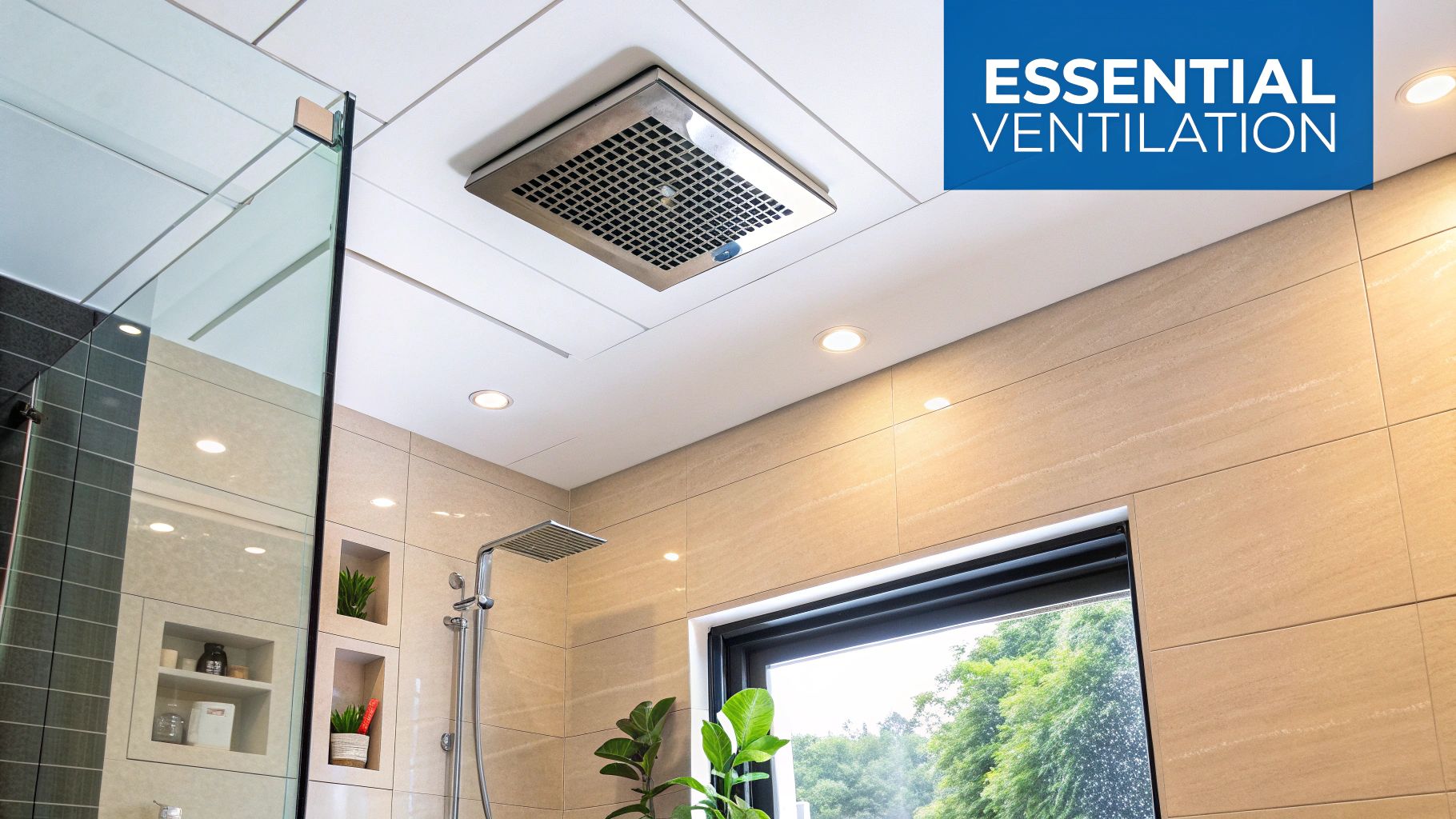
Bathrooms, kitchens, break rooms, and equipment rooms need adequate exhaust ventilation to remove moisture from the air.

Routine Inspections: Your First Line of Defense
Regular inspections help catch small issues before they become expensive problems.
During routine walkthroughs, look for:
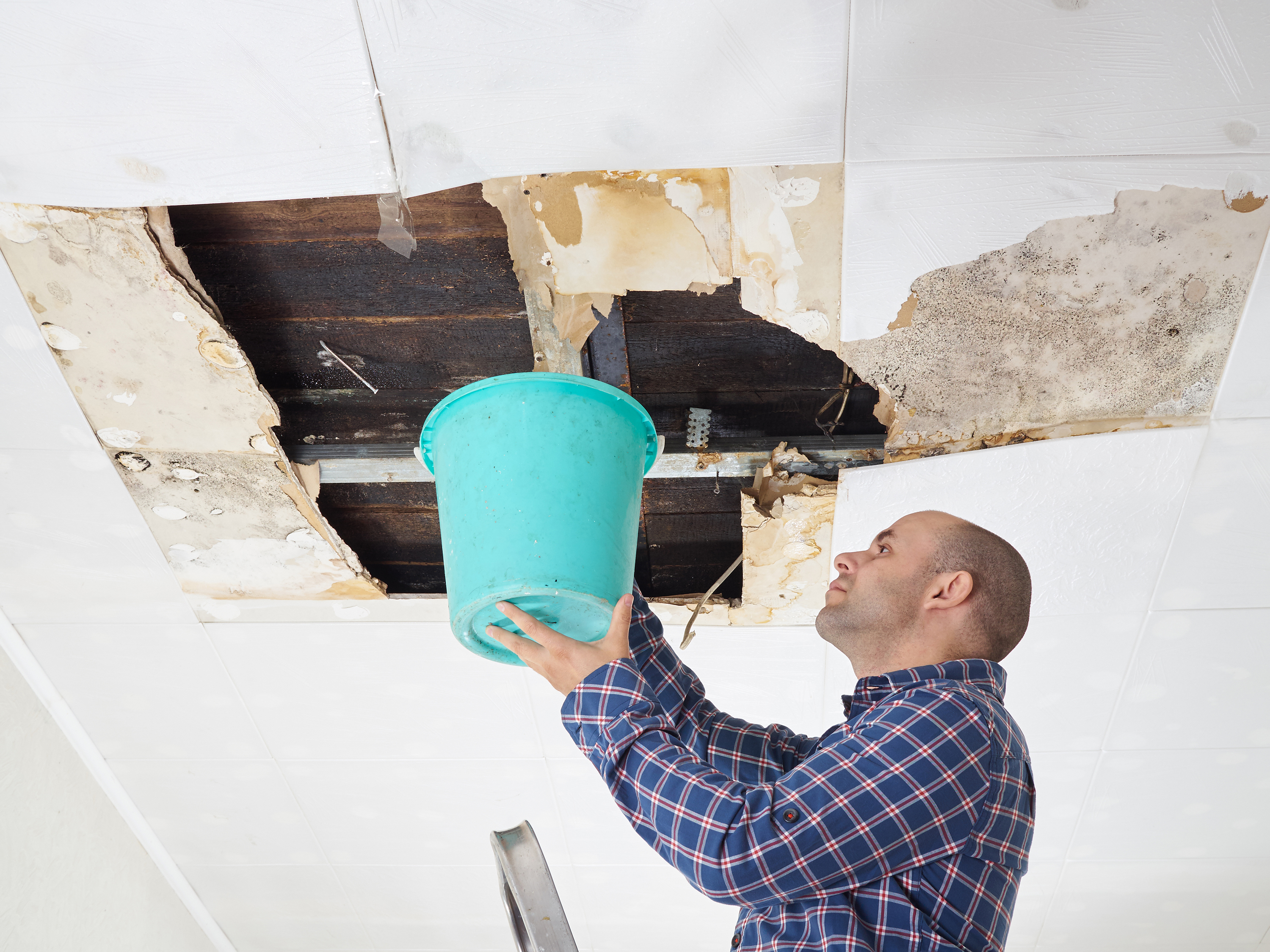
- Water stains on ceilings or walls
- Peeling paint or warped drywall
- Condensation around vents or windows
- Musty or damp odors
- Standing water near HVAC units or restrooms
Train employees or maintenance staff to report leaks, odors, or humidity concerns immediately.
Preventive Maintenance Planning for Sharpes Properties
Mold prevention should be part of your ongoing maintenance budget, not an emergency expense.
Smart planning includes:
- Scheduled roof inspections, especially after storms
- Annual plumbing system evaluations
- HVAC performance testing
- Periodic moisture assessments in vulnerable areas
Preventive maintenance costs far less than large-scale mold remediation and business interruption.
What to Do If Mold Is Suspected
Even with strong prevention measures, issues can still arise. Early action makes a major difference.
Step 1: Do Not Ignore Warning Signs
Odors, discoloration, or health complaints should be taken seriously.
Step 2: Identify the Moisture Source
Mold will continue to return unless the underlying moisture problem is fixed.
Step 3: Limit Exposure if Needed
Restrict access to affected areas if visible growth or strong odors are present.
Step 4: Seek Professional Evaluation
Professional assessment helps determine whether mold is present and how extensive the issue may be.
Step 5: Document Everything
Inspection reports, repair records, and remediation documentation are valuable for risk management and insurance purposes.
Legal and Liability Considerations for Business Owners
Commercial property owners in the Cocoa area have a responsibility to provide safe, healthy environments for employees and customers.
Failure to address moisture and mold concerns can lead to:
- Tenant disputes or lease conflicts
- Customer complaints or claims
- Insurance coverage challenges
- Increased remediation costs
- Long-term building damage
Proactive mold prevention helps reduce liability exposure and protects the long-term value of the property.
Long-Term Mold Prevention Strategies for Sharpes Businesses
Because Sharpes’ climate will always include humidity and rain, long-term success requires consistency.
Effective strategies include:
- Preventive maintenance programs
- Employee awareness and reporting procedures
- Investment in modern HVAC and dehumidification systems
- Clear response plans for water intrusion events
- Regular professional evaluations
Businesses that treat mold prevention as part of daily operations are far less likely to experience costly disruptions.
Final Thoughts for Cocoa Area Property Owners
Mold prevention for businesses in Sharpes is not about reacting to problems—it is about staying ahead of them. Moisture control, regular inspections, and prompt repairs are the foundation of a healthy commercial environment.
By investing in prevention, Cocoa area property owners protect their buildings, reduce liability risks, and create safer, more comfortable spaces for employees and customers alike. In Florida’s climate, proactive mold prevention is not just good practice—it is essential for long-term business success.