
Mold Inspection Process Explained in Sharpes: What Cocoa Area Property Owners Should Know
If you own property in Sharpes, chances are you’ve heard someone mention mold inspections—but many property owners aren’t exactly sure what that process involves. Is it just someone looking around with a flashlight? Is testing always required? What happens if mold is found?
In reality, a professional mold inspection is a step-by-step evaluation designed to find moisture problems, identify mold growth (visible and hidden), and assess indoor air quality risks. In Florida’s hot, humid climate, mold inspections are often the difference between catching a small issue early and dealing with costly remediation later.
For Cocoa area property owners, understanding the mold inspection process helps you know what to expect, what inspectors look for, and how inspection results are used to protect both health and property value.
Why Mold Inspections Are Important in Sharpes
Sharpes properties face constant moisture pressure from:
- High year-round humidity
- Heavy rain and summer storms
- Slab foundations and enclosed wall cavities
- Long air-conditioning seasons
- Aging plumbing and roofing systems
Mold rarely appears overnight in obvious places. It usually grows behind walls, under floors, inside HVAC systems, or in low-airflow spaces long before stains or odors show up. A mold inspection is designed to detect those problems early.
When a Mold Inspection Is Recommended
Property owners in Sharpes often schedule inspections when:
- Musty or earthy odors are present
- Mold is suspected but not visible
- Water damage occurred (leaks, storms, overflows)
- Allergy or respiratory symptoms worsen indoors
- Buying or selling a property
- Mold keeps returning after cleaning
- Insurance documentation is needed
In Florida, inspections are just as much about moisture detection as they are about mold itself.
Step 1: Initial Consultation and History Review
The mold inspection process usually begins with questions.
Inspectors often ask about:
- Recent leaks or water damage
- Storm or hurricane exposure
- Past mold issues
- Odors and where they’re noticed
- Health symptoms among occupants
- Property age and construction type
This information helps inspectors focus on high-risk areas and understand how moisture may be moving through the structure.
Step 2: Visual Inspection of the Property
A detailed visual inspection is the foundation of the process.
Inspectors examine:
- Ceilings and walls for stains or discoloration
- Baseboards and lower wall sections
- Bathrooms, kitchens, and laundry rooms
- Closets and storage areas
- Garages and utility rooms
- Attics (when accessible)
- HVAC systems and vents
Visible mold is noted, but inspectors are also trained to spot subtle moisture clues that many property owners miss.
Step 3: Moisture Detection and Mapping
Moisture is the real driver of mold growth, so this step is critical.
Common tools include:
- Moisture meters to detect damp materials
- Thermal imaging cameras to find temperature differences caused by moisture
- Hygrometers to measure indoor humidity
This allows inspectors to locate:
- Hidden leaks behind walls
- Moisture under flooring
- Damp insulation
- Condensation problems
- Areas that haven’t dried properly
Many mold problems in Sharpes are discovered during this stage—before mold is even visible.
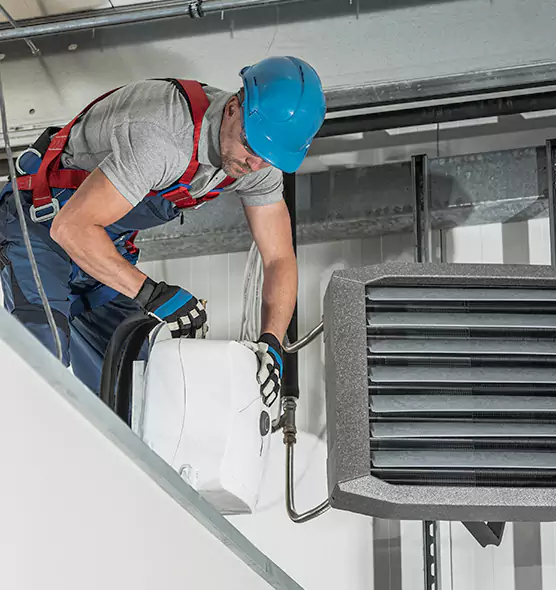
Step 4: HVAC System Evaluation
HVAC systems are a major mold pathway in Florida homes.
Inspectors typically evaluate:
- Air handlers and drain pans
- Evaporator coils
- Condensate drain lines
- Visible ductwork
- Vent covers
Because HVAC systems circulate air throughout the property, mold inside the system can affect every room, even if growth is hidden.
Step 5: Determining Whether Mold Testing Is Needed
Not every inspection requires mold testing.
Testing may be recommended when:
- Mold is suspected but not visible
- Odors persist without an obvious source
- Health symptoms are reported
- Documentation is needed for insurance or real estate
- Multiple areas are affected
If visible mold is already confirmed, testing is often unnecessary—the focus shifts to finding moisture sources and determining scope.
Step 6: Mold Sampling (If Performed)
When testing is appropriate, inspectors may use several methods.
Air Samples
Measure mold spores in indoor air and compare them to outdoor levels.
Surface Samples
Collect samples from visible growth to confirm mold type.
Swab or Tape Samples
Used on suspicious areas where growth is minimal.
Testing helps determine:
- Whether indoor mold levels are elevated
- If mold is likely hidden
- The general type of mold present
It’s important to note: testing identifies conditions—it doesn’t fix them.
Step 7: Interpreting Inspection and Testing Results
After the inspection, results are analyzed to answer key questions:
- Is mold present?
- Where is moisture coming from?
- Is mold likely hidden?
- How extensive is the issue?
- What areas are affected?
A proper inspection focuses on cause and scope, not just whether mold exists.
Step 8: Written Findings and Recommendations
Most professional inspections include a written summary outlining:
- Areas inspected
- Moisture findings
- Visible mold observations
- Testing results (if performed)
- Likely moisture sources
- Recommended next steps
Recommendations may include:
- Moisture repairs
- Improved ventilation
- Dehumidification
- Targeted remediation
- Follow-up inspections
Inspectors do not typically perform remediation themselves—this helps avoid conflicts of interest.
What a Mold Inspection Does Not Do
Understanding limitations is just as important.
A mold inspection does not:
- Automatically require demolition
- Always include testing
- Mean a property is unsafe
- Replace proper remediation
- Serve as a warranty or guarantee
Its purpose is information and prevention, not panic.
Common Misconceptions About Mold Inspections
“If I don’t see mold, I don’t need an inspection”
Most serious mold problems in Sharpes are hidden.
“Testing alone tells me everything”
Moisture detection is often more important than testing.
“Mold inspections are only for real estate”
Many inspections are done for health concerns and prevention.
“Mold inspections are only needed after floods”
Small leaks and humidity cause far more mold than floods.
Mold Inspections in Rental Properties
For landlords, inspections help:
- Document conditions
- Address tenant complaints early
- Reduce liability
- Prevent habitability disputes
- Support insurance claims
Routine inspections are especially valuable after storms or plumbing repairs.
Mold Inspections Before Buying or Selling
In real estate transactions, inspections can:
- Identify issues before closing
- Prevent surprises during buyer inspections
- Protect negotiations
- Provide documentation of property condition
Early inspections often save time and money.
How Often Should Mold Inspections Be Done?
There’s no universal schedule, but inspections are commonly done:
- After water damage
- During or after rainy season
- When odors appear
- Before major renovations
- Before purchasing property
In Florida, periodic inspections are preventative maintenance, not just problem-solving.
Why DIY Mold Checks Often Miss the Problem
DIY inspections usually fail because:
- Moisture behind walls can’t be detected
- HVAC systems aren’t properly evaluated
- Hidden growth is overlooked
- Humidity patterns aren’t measured
Professional tools and training make a significant difference.
Mold Inspection vs. Mold Remediation
It’s important to understand the distinction.
- Inspection: Finds moisture and mold, defines scope
- Remediation: Removes mold and corrects conditions
One informs the other. Skipping inspection often leads to incomplete remediation.
Final Thoughts for Cocoa Area Property Owners
The mold inspection process in Sharpes is methodical, practical, and preventative. It’s not about overreacting—it’s about understanding how moisture and mold behave in Florida’s climate and catching problems before they spread.
Property owners who understand the inspection process are better prepared to:
- Act quickly when issues arise
- Avoid unnecessary remediation
- Protect indoor air quality
- Preserve property value
In Sharpes, mold inspections aren’t just for visible problems—they’re one of the smartest tools Cocoa area property owners have for staying ahead of moisture, mold, and costly repairs.