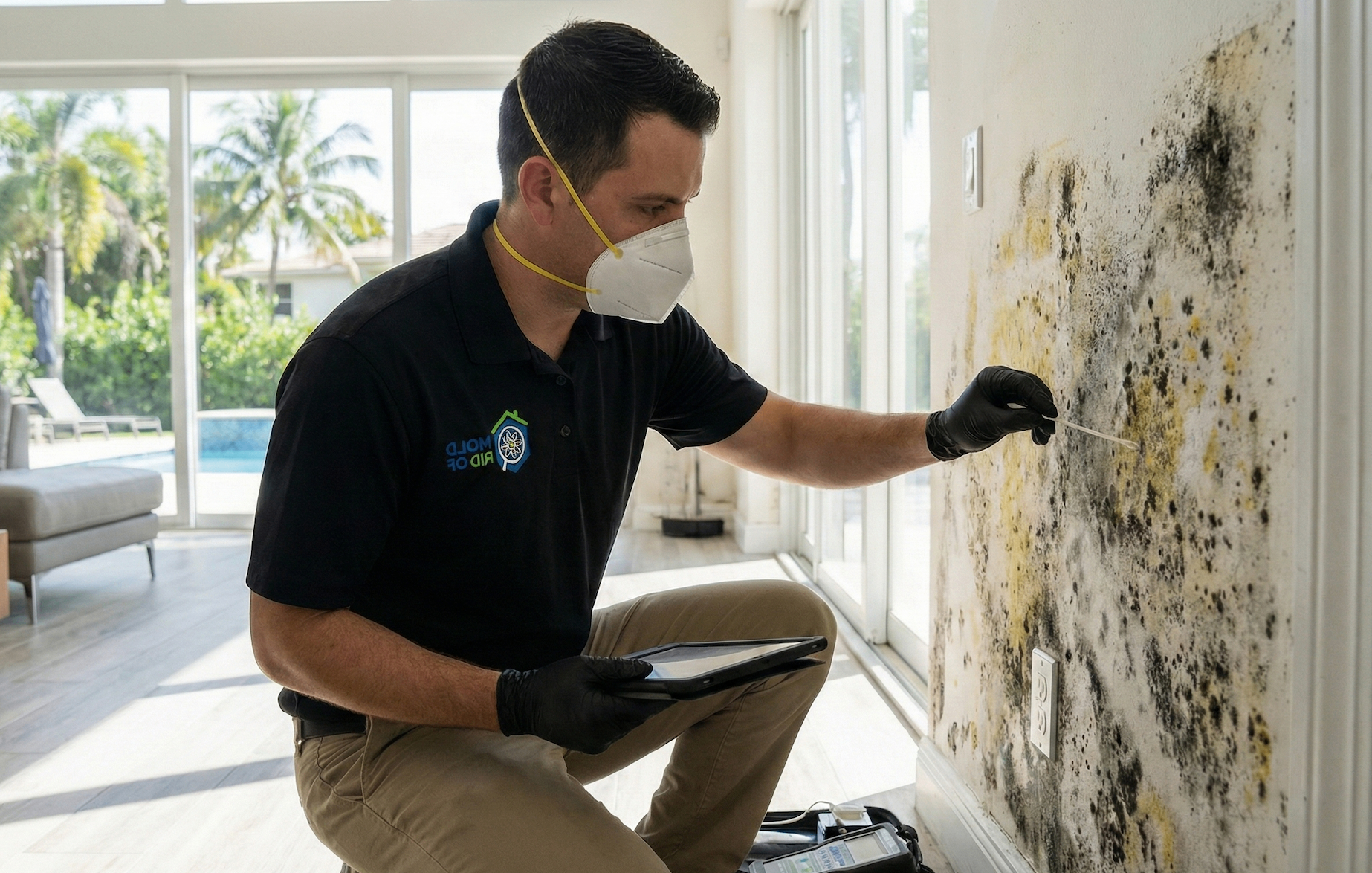
Many homeowners in Brevard County hear the term mold inspection but aren’t exactly sure what the process involves. Some assume inspectors simply look for visible mold, while others think testing alone provides all the answers. In reality, a proper mold inspection is a step-by-step evaluation designed to locate moisture sources, identify possible mold growth, and help homeowners understand what actions—if any—are needed.
Across Cocoa, Cocoa Beach, West Cocoa, Port St. John, Sharpes, and Canaveral Groves, mold inspections are commonly requested after storms, plumbing leaks, home purchases, or when unexplained odors appear indoors. Florida’s climate makes moisture problems common, so knowing how inspections work can help homeowners make informed decisions.
Here’s what property owners throughout the Cocoa area should know about the mold inspection process.
What a Mold Inspection Actually Looks For
A mold inspection is not just about finding visible mold. The main goal is to determine whether conditions inside a home are allowing mold to grow.
Inspectors look for three primary things:
- Evidence of moisture intrusion
- Conditions that support mold growth
- Signs that mold may already be present
Because mold often grows in hidden locations, inspections focus on identifying moisture problems that might not be obvious to homeowners.
For example, a small plumbing leak behind a wall or a slow roof leak in the attic may go unnoticed for months while mold spreads quietly.
Why Mold Inspections Are Common in Brevard County Homes
Homes in Brevard County face year-round moisture challenges due to Florida’s environment.
High Humidity
Humidity remains high most of the year. If homes are not properly ventilated or dehumidified, moisture accumulates indoors.
Frequent Storms and Heavy Rain
Afternoon storms, tropical systems, and hurricanes frequently cause water intrusion.
AC System Condensation
Air conditioning systems constantly produce condensation, and clogged drain lines or poorly insulated ducts can introduce hidden moisture.
Slab Foundations
Many homes are built on slabs that can allow moisture to migrate upward during wet seasons.
Coastal Moisture Exposure
Homes closer to Cocoa Beach and coastal communities face additional humidity challenges.
Because moisture problems are common, mold inspections are often requested even when homeowners don’t see visible mold.
Step 1: Discussion of Home History and Concerns
A proper inspection usually begins with a conversation between the inspector and homeowner.
Inspectors often ask about:
- Recent leaks or flooding
- Storm damage history
- Musty smells or moisture concerns
- Previous mold problems
- Areas where stains or damage appeared
- HVAC or ventilation issues
This background helps inspectors know where to focus their attention.
For example, if a homeowner mentions recurring ceiling stains after heavy rain, the inspector will likely focus on attic and roofing areas.
Step 2: Visual Inspection of the Home
Next comes a careful visual examination of the property.
Inspectors typically check:
- Walls and ceilings
- Baseboards and flooring
- Bathrooms and kitchens
- Laundry rooms and garages
- Around windows and doors
- Under sinks and near plumbing
- HVAC systems and air handlers
- Attics and crawl spaces (when accessible)
Inspectors look for water stains, discoloration, peeling paint, warped materials, or visible mold growth.
Even small details can indicate moisture problems.
Step 3: Moisture Detection and Measurement
Many moisture issues cannot be seen, so inspectors use specialized tools.
Common equipment includes:
Moisture Meters
These tools measure moisture levels inside drywall, wood, and flooring materials.
Thermal Imaging Cameras
These cameras detect temperature differences that may reveal hidden moisture behind surfaces.
Hygrometers
These measure indoor humidity levels, which can indicate conditions favorable to mold growth.
Using these tools allows inspectors to find hidden moisture without cutting into walls.
Step 4: Identifying Moisture Sources
Finding mold without identifying the moisture source leads to recurring problems. Therefore, inspectors focus heavily on locating moisture origins.
Common moisture sources include:
- Roof leaks
- Plumbing leaks
- Window or door intrusion
- AC condensation issues
- Poor ventilation
- Drainage problems outside the home
Understanding how moisture entered the structure helps prevent mold from returning after cleanup.
Step 5: Mold Testing (When Necessary)
Not every inspection requires mold testing. In many cases, visible mold and moisture evidence already provide enough information.
However, testing may be recommended when:
- Mold is suspected but not visible
- Indoor air quality concerns exist
- Homebuyers want confirmation before purchase
- Mold sources are unclear
- Post-remediation verification is needed
Testing methods may include air samples or surface samples, which are then analyzed in a laboratory.
The goal is not just to confirm mold presence but to understand whether indoor mold levels are elevated compared to outdoor air.
Step 6: Explaining Findings to the Homeowner
A good inspector explains findings clearly, without alarm or exaggeration.
Homeowners are typically informed about:
- Areas showing moisture problems
- Locations of possible mold growth
- Likely causes of contamination
- Recommendations for correction or monitoring
Sometimes the conclusion is reassuring—no mold problem exists, and minor improvements are recommended. Other times, remediation may be advised.
Clear explanations help homeowners decide what to do next.
Why DIY Mold Inspections Often Miss Problems
Homeowners sometimes try to inspect for mold themselves, which can work for obvious surface issues. However, hidden mold is harder to detect.
DIY inspections often miss:
- Moisture inside walls
- Mold under flooring
- Attic contamination
- HVAC-related mold
- Slow plumbing leaks
Professional inspectors use specialized tools and experience to identify issues homeowners might overlook.
What Happens If Mold Is Found
If mold contamination is discovered, the next step usually involves determining whether remediation is necessary.
Small, localized mold growth can sometimes be cleaned safely, but larger or hidden contamination may require professional removal.
Proper remediation involves:
- Containment of affected areas
- Safe removal of contaminated materials
- HEPA air filtration
- Thorough drying
- Correction of moisture sources
Companies like Cocoa Mold Removal often assist homeowners by addressing both mold and the underlying moisture problem.
How Homeowners Can Prepare for an Inspection
Homeowners can make inspections more effective by:
- Providing access to attics and utility rooms
- Sharing history of leaks or repairs
- Pointing out areas of concern
- Not cleaning suspected mold beforehand
- Allowing inspectors to access HVAC systems
The more information inspectors have, the easier it is to locate problems.
Why Local Mold Inspection Experience Matters
Local experience plays an important role in accurate inspections.
Inspectors familiar with Cocoa area homes understand:
- Construction styles common in Brevard County
- Typical storm intrusion patterns
- AC condensation issues common locally
- Humidity patterns unique to Florida
- Frequent moisture problem locations
Local knowledge often leads to faster and more accurate diagnoses.
A Calm Next Step for Brevard County Homeowners
Scheduling a mold inspection doesn’t automatically mean there is a serious problem. Often, inspections simply provide reassurance or identify small moisture issues before they grow larger.
For homeowners in Cocoa, Cocoa Beach, West Cocoa, Port St. John, Sharpes, and Canaveral Groves, understanding the inspection process removes uncertainty and helps protect home value and indoor comfort.
If you notice persistent odors, moisture stains, or unexplained humidity inside your home, a professional inspection can provide clarity and guidance.
In Florida’s climate, staying proactive about moisture management is one of the best ways to keep homes healthy year-round—and a proper mold inspection is often the first step toward that peace of mind.