Mold Inspection in Canaveral Groves: What Cocoa Area Property Owners Should Know

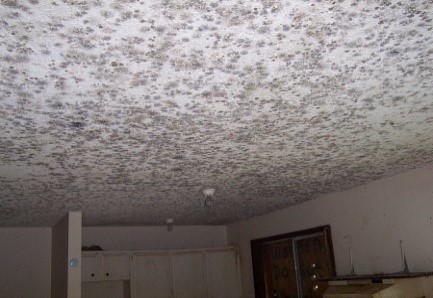
Homeowners in Canaveral Groves often discover mold problems only after noticing a musty odor or seeing stains form on ceilings or walls. By the time those signs appear, mold may already be growing behind surfaces or inside areas rarely seen, such as attics or air conditioning systems.
In Brevard County, mold concerns are not unusual because homes face constant humidity, heavy rain, and year-round air conditioning use. For property owners in Canaveral Groves, Cocoa, West Cocoa, Port St. John, Sharpes, and surrounding communities, understanding how mold inspections work can help address issues early and avoid larger repairs later.
A professional mold inspection is less about alarm and more about clarity. It helps homeowners understand whether mold is present, where moisture problems exist, and what steps may be needed to keep a home safe and comfortable.
What a Residential Mold Inspection Looks For
Many people assume an inspection simply involves someone checking visible areas for mold. In reality, inspections focus on finding moisture conditions that allow mold to grow, even when growth is hidden.
During inspections in Canaveral Groves homes, professionals typically evaluate:
- Areas with current or past water damage
- Signs of hidden leaks or moisture intrusion
- Conditions allowing mold growth
- Ventilation or airflow problems
- Air conditioning condensation issues
- Attic and insulation moisture
- Possible mold growth inside walls or floors
Because mold thrives where moisture stays trapped, inspections focus on moisture detection just as much as visible mold.
In many homes, mold exists in areas homeowners never think to check.
Why Mold Inspections Are Common in Canaveral Groves
Homes throughout Brevard County face environmental conditions that naturally increase mold risks compared to drier regions.
Persistent Florida Humidity
Humidity levels stay elevated most of the year. Even well-maintained homes can trap moisture if ventilation or cooling systems are not functioning properly.
Heavy Rain and Storm Activity
Summer storms and hurricane season often lead to roof leaks, siding damage, or water intrusion around windows. Even if repairs are made quickly, moisture may remain hidden inside walls or insulation.
Constant Air Conditioning Operation
AC systems operate nearly year-round in Cocoa-area homes. Condensation buildup inside air handlers or ducts can create hidden mold conditions if systems are not properly maintained.
Older and Newer Homes Side by Side
Canaveral Groves includes homes from different construction periods. Older homes may lack modern ventilation standards, while newer renovations sometimes seal buildings too tightly, trapping moisture.
These factors combine to make mold inspections a practical precaution rather than an unusual event.
Signs Homeowners Often Notice Before Calling for an Inspection
Most homeowners don’t schedule inspections randomly. Usually, something triggers concern.
Common warning signs include:
- Musty or damp smells indoors
- Visible mold spots or staining
- Water stains on ceilings or walls
- Peeling paint or bubbling drywall
- Persistent indoor humidity
- Allergy-like symptoms inside the home
- Damp odors after heavy rain
- Condensation near vents or windows
Sometimes mold itself isn’t visible, but indoor air feels stale or heavy. An inspection helps determine whether mold or moisture problems are present.
Hidden Mold Causes Often Found During Inspections
In many Canaveral Groves homes, inspectors find mold growth in unexpected places.
Behind Walls
Small plumbing leaks or storm damage can soak drywall and insulation, allowing mold colonies to grow out of sight.
Under Flooring
Dishwasher leaks, washing machine overflows, or slow plumbing drips often damage subfloors beneath tile or laminate surfaces.
Attics
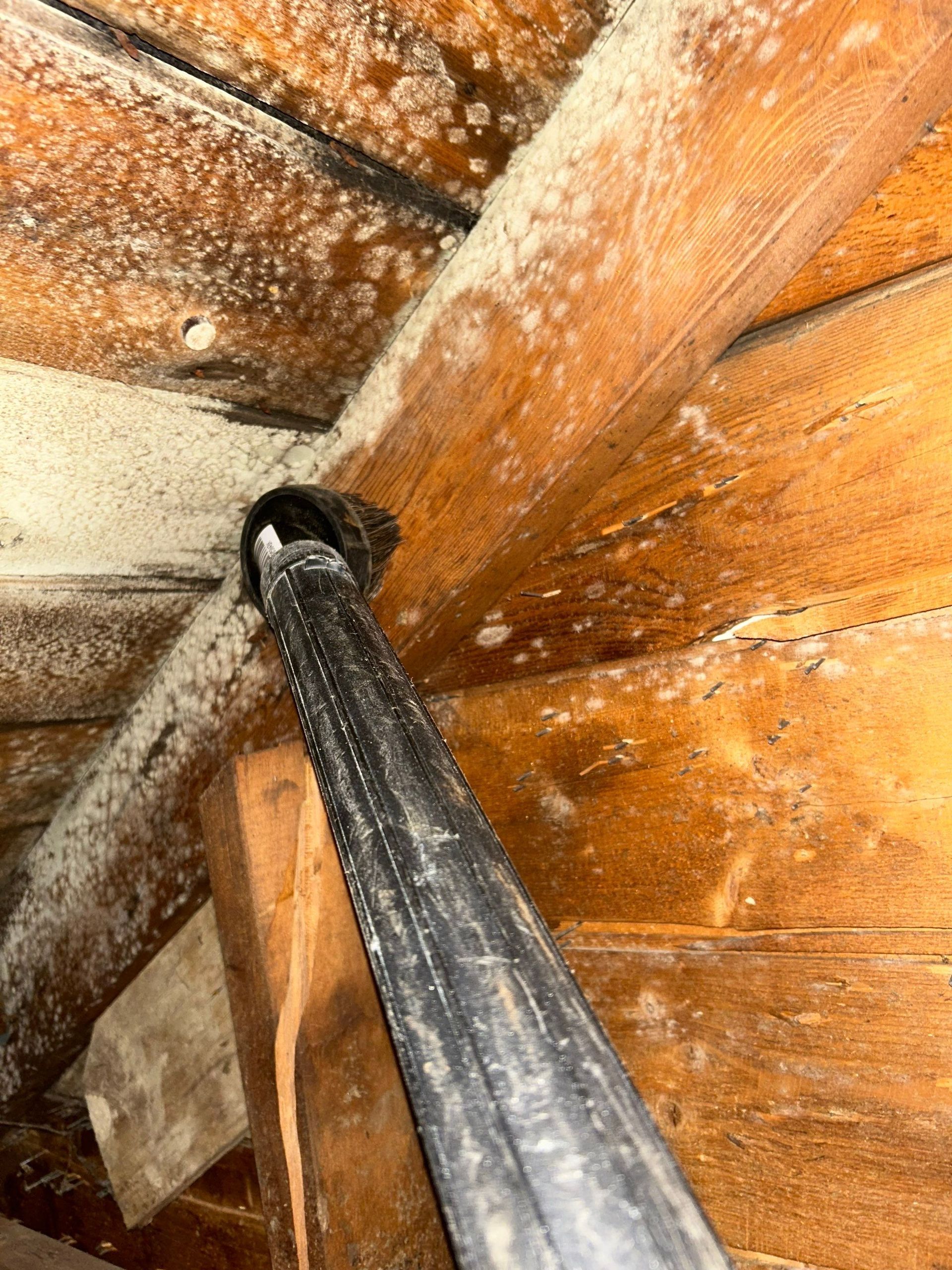
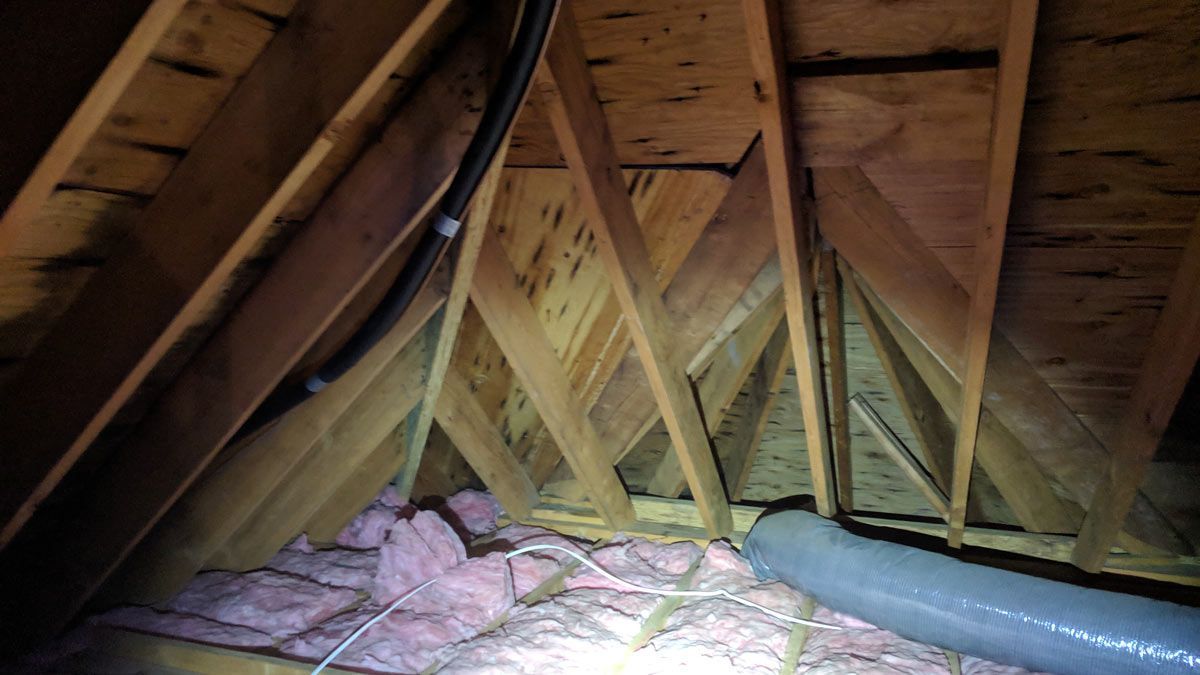
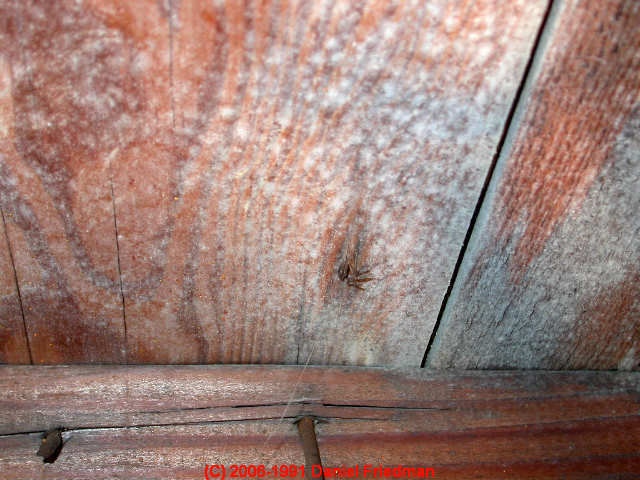
Florida attics become extremely hot and humid. Without proper airflow, moisture accumulates and mold grows on roof decking or insulation.
HVAC Systems
Air conditioning systems sometimes develop mold inside ducts or air handlers due to condensation buildup.
Exterior Walls and Closets
Rooms with poor airflow may experience condensation on cooler walls, creating ideal mold conditions.
Because mold spores travel through air, hidden growth may affect indoor air quality even before damage becomes visible.
Why DIY Mold Checks Often Miss the Problem
Some homeowners attempt to investigate mold concerns themselves before calling professionals. While visible mold may be spotted, hidden problems are frequently missed.
Common DIY inspection limitations include:
- Missing moisture behind walls
- Not detecting small leaks
- Overlooking attic moisture problems
- Ignoring HVAC contamination
- Cleaning mold without addressing moisture sources
Surface mold cleanup alone rarely resolves the issue because moisture conditions remain unchanged.
Professional inspections use specialized tools designed to locate hidden moisture and growth areas.
What Happens During a Professional Mold Inspection
A professional mold inspection usually follows a structured process.
Visual Examination
Inspectors evaluate interior and exterior areas for water damage, mold growth, or ventilation issues.
Moisture Detection Equipment
Moisture meters and infrared cameras help locate hidden moisture behind walls and ceilings without damaging structures.
HVAC Evaluation
AC systems and ductwork are checked for condensation issues or contamination risks.
Air or Surface Sampling (When Needed)
Sometimes samples are collected to measure mold spore levels or identify mold types through laboratory analysis.
Findings and Recommendations
Homeowners receive clear explanations of findings and guidance on whether remediation or repairs may be needed.
The goal is education and clarity, not unnecessary concern.
What Happens If Mold Is Found
If mold growth is discovered, the next step usually involves remediation planning.
Professional remediation may include:
- Containing affected areas
- Removing contaminated materials
- Cleaning and sanitizing surfaces
- Running HEPA air filtration
- Drying structures completely
- Correcting moisture sources
Fixing the moisture source is critical to prevent mold from returning.
How Homeowners Can Reduce Mold Risks in Canaveral Groves
While inspections help identify existing issues, prevention remains important.
Homeowners can reduce mold risks by:
- Keeping indoor humidity below 60%
- Servicing AC systems regularly
- Using exhaust fans in bathrooms and kitchens
- Repairing leaks immediately
- Inspecting homes after storms
- Ensuring proper attic ventilation
- Maintaining gutters and drainage systems
- Monitoring areas with previous water damage
Homes closer to coastal communities like Cocoa Beach may need extra ventilation or humidity control due to salt air and moisture exposure.
Why Local Mold Experience Matters
Florida homes behave differently than homes in dry climates. Professionals familiar with Brevard County conditions understand how moisture affects local building styles.
Experienced inspectors recognize:
- Slab foundation moisture behavior
- Storm-related water intrusion patterns
- Florida attic heat and humidity challenges
- AC condensation problems common in the region
- Construction styles found throughout Cocoa-area communities
Teams such as Cocoa Mold Removal regularly inspect homes in Canaveral Groves and nearby areas, allowing faster recognition of local moisture patterns and practical solutions.
Local experience often helps prevent recurring problems.
When Mold Inspections Are Especially Helpful
Many homeowners schedule inspections during specific situations, including:
- Buying or selling a home
- After flooding or storm damage
- Following plumbing or roof leaks
- When musty odors persist
- Before remodeling projects
- If indoor air quality concerns arise
Early detection usually keeps repairs simpler and more affordable.
A Calm Next Step for Canaveral Groves Homeowners
Discovering possible mold concerns can feel stressful, but most situations are manageable when addressed early. A professional inspection simply provides accurate information about whether mold is present and what steps, if any, are necessary.
Many inspections reveal small moisture issues rather than major contamination. Addressing these problems early helps protect both property value and indoor comfort.
For homeowners in Canaveral Groves and surrounding Cocoa communities, a careful mold inspection offers peace of mind and helps maintain healthier living conditions in Brevard County’s humid coastal environment.