Mold in Vacation Rentals in Brevard County: What Cocoa Area Property Owners Should Know
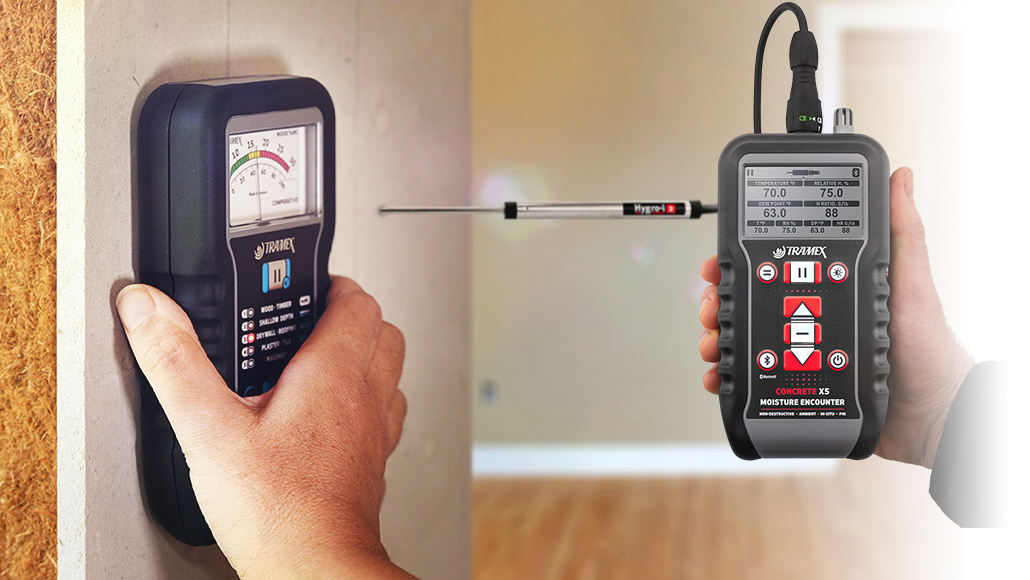
Owning a vacation rental in Brevard County—especially in and around the Cocoa area—can be a great investment. But short-term rentals face a mold risk that full-time residences often don’t. High humidity, frequent guest turnover, and periods of vacancy create the perfect conditions for mold to grow quietly and spread quickly.
If you own or manage a vacation rental, here’s what you need to know about why mold is more common, how it impacts revenue and reviews, and how to protect both your property and your reputation.
🌴 Why Vacation Rentals Face Higher Mold Risk
Vacation rentals in Brevard County are uniquely vulnerable because of a few compounding factors:
- High year-round humidity and coastal moisture
- Intermittent occupancy (AC turned off or set too high between stays)
- Frequent showers, laundry, and cooking by guests
- Windows and doors left open by visitors unfamiliar with Florida humidity
- Limited day-to-day monitoring compared to owner-occupied homes
Mold can begin growing in as little as 24–48 hours when moisture is present—often long before visible signs appear.
🏠 Common Mold Hotspots in Vacation Rentals
Professional inspections frequently find mold in:
- Bathrooms with heavy guest use and poor ventilation
- Kitchens with sink leaks or condensation
- HVAC systems and ductwork
- Behind baseboards and under vinyl or laminate flooring
- Closets and utility rooms that stay closed during vacancies
Because guests rotate frequently, odors or symptoms are often blamed on “humidity” instead of a developing mold issue—until it becomes unavoidable.
⚠️ How Mold Impacts Rental Income and Reviews
Mold problems don’t just affect health—they hit your bottom line.
1. Negative Reviews and Platform Penalties
Guests who smell musty odors or experience irritation may:
- Leave poor reviews
- Request refunds
- Report the listing to booking platforms
Even a few mold-related complaints can significantly reduce booking rates.
2. Lost Bookings and Downtime
Mold remediation often requires:
- Temporary closure of the rental
- Removal of furnishings
- Repairs to walls, flooring, or HVAC systems
Every day offline is lost revenue, especially during peak seasons.
3. Liability and Guest Complaints
Guests with allergies, asthma, or sensitivities may experience symptoms and seek:
- Refunds
- Chargebacks
- Legal action in extreme cases
Proper prevention and documentation reduce liability exposure.
🔍 Mold Detection Challenges in Short-Term Rentals
Unlike owner-occupied homes, vacation rentals often lack:
- Daily monitoring of humidity
- Early detection of minor leaks
- Immediate response to odors or condensation
By the time mold is noticed, it’s often more widespread and expensive to remediate.
🛠️ Why Professional Mold Inspections Matter
Professional inspections help rental owners by:
- Identifying hidden mold behind walls and floors
- Detecting moisture problems early
- Evaluating HVAC systems that circulate spores
- Creating documentation for insurance or platform disputes
Routine inspections—especially before peak season—can prevent major disruptions.
💧 Moisture Control Is the Key to Prevention
For vacation rentals in the Cocoa area, moisture control is more important than surface cleaning.
Effective strategies include:
- Keeping AC running between guests (not turning it off)
- Maintaining indoor humidity below 50%
- Installing smart humidity sensors
- Using dehumidifiers during vacancy periods
- Ensuring bathroom and kitchen exhaust fans work properly
Mold prevention is far less expensive than remediation.
🧼 Cleaning vs. Remediation: A Costly Confusion
Regular cleaning crews are not equipped to handle mold problems.
Common mistakes include:
- Bleaching visible spots without fixing moisture
- Painting over stains before inspections
- Ignoring HVAC contamination
These actions often make mold worse and harder to document later.
Professional remediation focuses on:
- Removing contaminated materials
- Controlling moisture sources
- Preventing spore spread
- Verifying successful cleanup
📄 Documentation Protects Your Investment
Professional mold documentation helps with:
- Insurance claims
- Platform disputes
- Buyer disclosures if you sell
- Demonstrating proactive property management
Well-documented remediation reassures guests and partners that issues were handled responsibly.
🏖️ Special Considerations for Coastal Rentals
Vacation rentals near Cocoa Beach and the Indian River Lagoon face:
- Salt-air corrosion in HVAC systems
- Wind-driven rain intrusion
- Higher baseline humidity
These conditions make ongoing mold monitoring essential, not optional.
🧠 Best Practices for Brevard County Vacation Rental Owners
To reduce mold risk:
- Schedule routine professional inspections
- Monitor humidity year-round
- Keep AC and ventilation consistent
- Address leaks immediately
- Respond quickly to guest odor complaints
- Maintain detailed maintenance records
Proactive owners protect both income and reputation.
🧠 Final Thoughts for Cocoa Area Property Owners
Mold in vacation rentals isn’t just a maintenance issue—it’s a business risk. In Brevard County’s climate, short-term rentals face higher mold exposure due to humidity, vacancy cycles, and heavy guest use.
Owners who succeed long-term are the ones who:
✔ Monitor moisture consistently
✔ Act early at the first warning signs
✔ Use professional inspection and remediation
✔ Protect guests, reviews, and revenue
Handled proactively, mold doesn’t have to disrupt your rental business. Ignored, it can quietly erode profits, ratings, and property value.
For Cocoa-area vacation rental owners, understanding mold risks isn’t optional—it’s part of protecting your investment.
If you want, I can also create a vacation-rental mold prevention checklist tailored specifically for Brevard County properties.