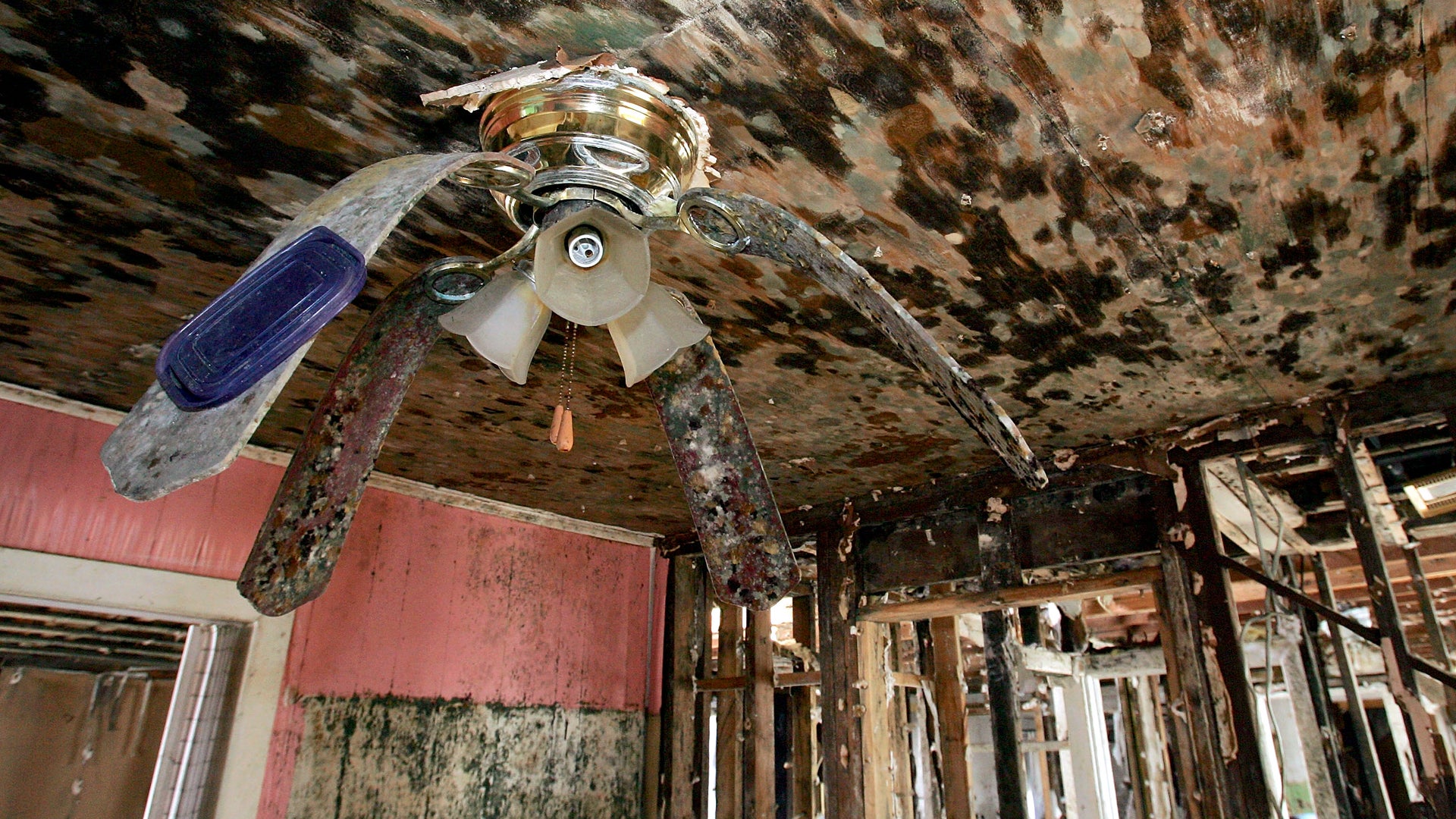
Mold in Spring in Sharpes: What Cocoa Area Property Owners Should Know
Spring in Sharpes feels like a break from Florida’s heat, but for mold, it’s the starting line. Many property owners assume mold problems arrive in summer, yet in Brevard County, spring is when mold conditions quietly take shape. Warmer days, rising humidity, and changing home habits combine to create moisture patterns that allow mold to begin growing long before it’s visible.
What makes spring mold tricky is that homes often feel comfortable. Windows are opened more, AC systems run less consistently, and humidity creeps in without obvious warning signs. Understanding how spring conditions in Sharpes affect mold growth helps property owners catch problems early—before they turn into full summer mold issues.
Why Spring Is a High-Risk Mold Season in Sharpes
Spring marks a shift in Florida’s moisture cycle. Humidity rises before peak heat arrives, and rainfall becomes more frequent.
Spring mold risk increases because:
- Outdoor humidity climbs steadily
- Rain events become more common
- AC systems run inconsistently
- Homes don’t dry as efficiently
These changes don’t cause immediate mold outbreaks—but they create ideal starter conditions.
Rising Humidity Is the Main Spring Mold Trigger
Even moderate humidity is enough to support mold growth if it lingers.
In spring, humidity causes:
- Drywall and wood to absorb moisture from the air
- Closets and cabinets to stay slightly damp
- Insulation to retain moisture from winter and early rain
Because temperatures are mild, homeowners often don’t realize humidity is climbing inside the home.
Reduced AC Use Creates Hidden Moisture Problems
Spring is when many Sharpes homeowners reduce AC use or turn systems off entirely.
This allows:
- Indoor humidity to rise unnoticed
- Moist air to settle in enclosed spaces
- Condensation to form overnight
AC systems don’t just cool—they remove moisture. When they run less, humidity control weakens.
Condensation Appears During Spring Temperature Swings
Spring brings warm days and cooler nights, which increases condensation risk.
Condensation commonly forms:
- On windows and sliding doors
- Along exterior walls
- On HVAC vents and ductwork
Repeated condensation cycles keep surfaces damp, especially overnight, creating mold-friendly conditions even without leaks.
Attics Are One of the First Areas Affected in Spring
Attics often experience spring mold growth before living spaces do.
Spring attic mold develops due to:
- Humid air entering attic spaces
- Limited ventilation
- Moisture trapped in insulation from previous seasons
Because attics aren’t checked regularly, mold may grow there for weeks before anyone notices.
Closets and Storage Areas Trap Spring Humidity
Closets are among the most common spring mold locations in Sharpes homes.
They’re vulnerable because:
- Airflow is limited
- Doors remain closed
- Exterior walls stay cooler
Spring closet mold is often discovered through musty odors rather than visible spots.
Windows and Doors Become Moisture Entry Points
Spring rain combined with aging seals allows moisture intrusion around windows and doors.
Common issues include:
- Worn caulking
- Condensation pooling in tracks
- Moisture behind trim
Mold near windows is often misidentified as surface dirt when it’s actually moisture-related.
Spring Rain Creates Repeated Moisture Exposure
Rainfall increases in spring, even if storms are less intense than summer.
Repeated rain can:
- Saturate soil near slab foundations
- Raise indoor humidity for days
- Introduce moisture through small openings
Mold problems often begin after multiple rain events rather than a single storm.
Slab Foundations and Spring Moisture
Many Sharpes homes are built on slab foundations. Spring rain saturates the ground, allowing moisture to migrate upward through concrete.
This can lead to:
- Damp flooring materials
- Moisture near baseboards
- Mold growth along lower walls
These issues develop slowly and are often missed until odors or stains appear.
Mold Often Starts Without Visible Water Damage
Spring mold frequently develops without obvious leaks, flooding, or spills.
This happens because:
- Humidity alone can support mold
- Materials never fully dry
- Moisture builds gradually
Visible mold is usually a late sign of a spring moisture problem.
Musty Odors Are a Key Spring Warning Sign
One of the earliest indicators of spring mold is odor.
Spring mold odors often:
- Appear in the morning
- Linger in closets or spare rooms
- Worsen when AC systems cycle on
Odors mean moisture is present somewhere—even if mold isn’t visible yet.
HVAC Systems Begin Showing Moisture Issues
As AC systems start cycling more often in spring, condensation issues may surface.
Spring HVAC mold risks include:
- Condensation near vents
- Damp duct insulation
- Moisture buildup in drain pans
Early HVAC moisture problems often worsen as summer heat arrives.
DIY Cleaning Doesn’t Stop Spring Mold
Wiping visible spots or spraying cleaners doesn’t address the real issue.
DIY cleanup fails because:
- Humidity patterns remain unchanged
- Hidden mold is untouched
- Spring moisture continues feeding growth
Spring mold is a conditions problem, not a cleaning problem.
Spring Mold Sets the Stage for Summer Problems
Many summer mold outbreaks actually started in spring.
Spring mold problems:
- Expand as humidity increases
- Spread into new areas
- Become harder to control
Catching mold in spring often prevents more extensive summer remediation.
Spring Mold and Indoor Air Quality
As mold develops, indoor air often changes subtly.
Spring mold may cause:
- Stale or heavy air
- Mild musty smells
- Odors that come and go
These changes are easy to dismiss but often signal early mold growth.
Vacant Homes Face Higher Spring Mold Risk
Vacant or seasonal homes in Sharpes are especially vulnerable in spring.
During vacancy:
- AC systems may be off
- Windows may be opened and closed inconsistently
- Humidity rises unnoticed
Many mold problems are discovered when owners return after weeks away.
Why Professional Evaluation Helps in Spring
Spring mold issues are about patterns, not emergencies.
Professional evaluation focuses on:
- Indoor humidity behavior
- Condensation points
- Attic and closet conditions
- HVAC moisture patterns
Local providers like Cocoa Mold Removal understand how spring conditions in Sharpes create mold risk and where early growth typically starts.
Spring Mold Prevention Starts With Consistency
Preventing spring mold doesn’t require drastic action—just consistency.
Effective spring prevention includes:
- Running AC systems regularly
- Monitoring indoor humidity
- Checking attics and closets
- Inspecting windows after rain
- Addressing odors early
Small steps in spring reduce major problems later.
Don’t Rely on Open Windows for Moisture Control
Spring breezes feel great, but open windows often introduce humid air indoors.
This can:
- Raise indoor humidity
- Increase condensation at night
- Feed mold growth
Ventilation doesn’t replace humidity control in Florida.
Monitoring During Spring Makes a Big Difference
Spring is the best time to catch mold early.
Helpful monitoring includes:
- Smelling for musty odors
- Checking rarely used rooms
- Inspecting closets and window frames
- Watching for condensation
Early detection limits damage and cost.
Why Local Sharpes Experience Matters
Spring mold behavior varies by location. Sharpes homes have specific moisture patterns influenced by soil, construction, and airflow.
Local professionals understand:
- Where spring moisture builds first
- How quickly homes dry locally
- Which areas are most vulnerable
This insight leads to more accurate identification and better outcomes.
The Role of a Local Mold Professional
A knowledgeable local provider like Cocoa Mold Removal approaches spring mold calmly—focused on moisture behavior, not alarm.
The goal is to:
- Identify early mold conditions
- Prevent summer escalation
- Provide clear guidance
- Protect the home long-term
A Practical Takeaway for Property Owners
Mold in spring in Sharpes is common—but it’s also preventable. Spring is when mold conditions form quietly, driven by rising humidity, rain, and inconsistent AC use.
Ignoring early signs like odors or condensation allows mold to establish itself before summer heat accelerates growth. Addressing moisture patterns early often prevents larger, more expensive problems later in the year.
For property owners who want clarity instead of surprises, a knowledgeable local provider like Cocoa Mold Removal can help evaluate spring moisture conditions, identify early mold risks, and guide practical prevention—keeping Sharpes homes drier, healthier, and easier to manage as the seasons change.