Mold in Slab Homes in Cocoa Beach: What Cocoa Area Property Owners Should Know
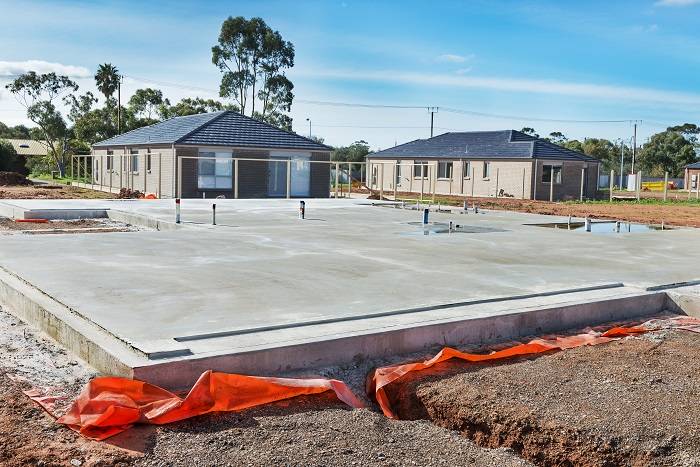
Slab homes are common throughout Cocoa Beach, and they make sense for coastal Florida—simple construction, fewer crawl spaces, and good resistance to storm-related movement. But slab foundations also come with unique mold risks that many property owners don’t recognize until problems appear. In a humid, coastal environment, moisture behaves differently around concrete, flooring, and walls—and mold often develops out of sight.
For homeowners, landlords, and property managers in Cocoa Beach and nearby Cocoa-area communities, understanding how mold forms in slab homes helps prevent repeat issues, hidden damage, and unnecessary repairs. Mold in slab homes is rarely caused by one big event. It’s usually the result of ongoing moisture trapped where air can’t reach it.
Why Slab Homes Are Prone to Mold in Cocoa Beach
Concrete slabs are in direct contact with the ground, which naturally contains moisture. In Cocoa Beach, coastal humidity and frequent rain increase that moisture load year-round.
Several factors make slab homes more vulnerable:
Ground moisture migration
Concrete is porous and can allow moisture vapor to move upward from the soil.
High coastal humidity
Moist air slows evaporation and keeps materials damp longer.
Warm slab surfaces meeting cool indoor air
This temperature difference can cause condensation near floors and baseboards.
Flooring installed over slabs
Tile, vinyl, laminate, and carpet can trap moisture underneath.
Limited drying pathways
Once moisture gets under flooring or behind walls, it has nowhere to go.
Because of these conditions, slab-related mold often develops quietly and spreads before it’s noticed.
How Moisture Gets Trapped in Slab Homes
Mold in slab homes usually starts when moisture becomes trapped between the slab and building materials.
Common moisture sources include:
- Plumbing leaks beneath or inside slab walls
- Condensation from humid indoor air
- Rainwater saturating soil around the foundation
- Past water damage that wasn’t fully dried
- AC condensation lines running through slab-adjacent walls
Once moisture is trapped under flooring or behind baseboards, mold can grow without visible signs.
Mold Under Flooring: A Common Slab-Home Problem
One of the most frequent mold issues in Cocoa Beach slab homes is mold under flooring.
Flooring materials can hide moisture problems because:
- Tile and vinyl are water-resistant on top but not underneath
- Laminate swells and traps moisture when exposed
- Carpet padding absorbs moisture and dries slowly
Warning signs of under-floor mold include:
- Musty odors near floor level
- Flooring that feels cool, damp, or loose
- Warping, buckling, or lifting planks or tiles
- Discoloration along baseboards
By the time these signs appear, moisture has often been present for a long time.
Baseboards and Lower Walls as Mold Indicators
In slab homes, mold frequently shows up at the bottom of walls, not the top.
Common signs include:
- Staining or discoloration near baseboards
- Bubbling or peeling paint at floor level
- Soft drywall near corners
- Mold returning after cleaning
These symptoms often point to moisture wicking upward from the slab or moisture trapped beneath flooring.
Plumbing Leaks Inside Slab Walls
Many slab homes in Cocoa Beach have plumbing lines running through walls or under the slab itself.
Slow leaks can:
- Saturate the slab beneath flooring
- Feed moisture into wall cavities
- Remain hidden for months
Even after plumbing repairs, mold may appear later if wet materials weren’t removed and dried thoroughly.
Humidity Makes Slab Mold Worse
Humidity is a major factor in slab-home mold problems.
In Cocoa Beach:
- Indoor humidity often stays above ideal levels
- Slabs stay cooler than indoor air
- Condensation forms near floors and walls
When humidity remains high, moisture under flooring or inside walls evaporates very slowly—giving mold plenty of time to grow.
Why Mold Can Appear Without Any Leaks
Many property owners are surprised to find mold in slab homes when no leaks are present.
This happens because:
- Moisture vapor rises naturally from the slab
- High humidity prevents drying
- Flooring traps moisture
- Airflow near floors is limited
Mold doesn’t require standing water—just persistent moisture.
Mold Smells That Start at Floor Level
Musty odors are often the first sign of slab-related mold.
These odors are commonly noticed:
- In the morning
- After rain
- When the AC turns on
- In rooms with tile or vinyl floors
If a smell seems strongest near the floor, moisture beneath flooring or inside walls should be investigated.
Why DIY Cleaning Fails in Slab Homes
Surface cleaning rarely solves mold problems in slab construction.
DIY methods fail because:
- Mold is growing underneath materials
- Moisture sources aren’t addressed
- Flooring and walls trap humidity
- Cleaning doesn’t reach the slab surface
Painting or cleaning visible mold often leads to repeat growth weeks or months later.
How Professional Inspections Identify Slab-Related Mold
A professional mold inspection focuses on moisture behavior, not just visible mold.
An inspection may include:
- Moisture readings in flooring and lower walls
- Indoor humidity measurements
- Evaluation of plumbing pathways
- Inspection for condensation patterns
- Assessment of slab-related moisture intrusion
In Cocoa Beach slab homes, inspections often reveal moisture that isn’t visible on the surface.
Mold Testing and Slab Homes
Mold testing isn’t always required, but it can help when:
- Odors persist without visible mold
- Flooring-related mold is suspected
- Multiple rooms are affected
- Documentation is needed
Testing is most effective when paired with moisture findings.
Proper Mold Remediation in Slab Homes
Effective remediation addresses both mold and moisture.
A proper approach may include:
- Containment to prevent spore spread
- Removal of mold-affected flooring or drywall
- Cleaning and air filtration
- Correction of moisture sources
- Improved humidity control
- Drying and verification before repairs
Skipping moisture correction almost guarantees mold will return.
Preventing Mold in Cocoa Beach Slab Homes
Prevention focuses on moisture awareness and control.
Helpful steps include:
- Keeping indoor humidity below ~55%
- Running AC consistently
- Monitoring floor-level odors
- Investigating flooring changes early
- Fixing plumbing issues promptly
- Inspecting after storms or water events
In coastal Florida, prevention is ongoing—not occasional.
Why Local Cocoa Beach Experience Matters
Slab homes behave differently in Florida’s coastal climate than in inland or cooler regions. Cocoa Beach properties face challenges related to humidity, salt air, rain, and long cooling seasons.
Professionals familiar with Cocoa Beach understand how moisture moves through slab foundations and where mold typically develops. Cocoa Mold Removal brings this local experience, helping property owners identify slab-related mold accurately and prevent repeat issues.
A Practical Takeaway for Property Owners
Mold in slab homes is often hidden and slow to reveal itself. By the time visible mold appears, moisture may have been present for months beneath flooring or inside walls.
If your Cocoa Beach slab home has musty odors, flooring changes, or recurring mold near baseboards, an early evaluation can prevent extensive damage. Managing humidity, addressing moisture promptly, and understanding how slab construction behaves are the keys to protecting your home in Florida’s coastal environment.
Relevant Images for This Article