Mold in Rental Properties in Brevard County: What Cocoa Area Property Owners Should Know
Rental properties in Brevard County keep life interesting. Between tenants, turnovers, maintenance calls, and Florida weather doing its thing, something always needs attention. Mold just happens to be one of the most common—and misunderstood—issues that shows up in rentals around Cocoa, Cocoa Beach, West Cocoa, Port St. John, Sharpes, and Canaveral Groves.
I’ve seen landlords panic over a tiny spot of mold and others shrug off serious moisture problems like they’re no big deal. Neither approach works. Mold in rental properties sits right at the intersection of building science, daily living habits, and Florida humidity. Ignore any one of those, and problems show up fast.
Let’s walk through why mold is so common in Brevard County rentals, what property owners should actually pay attention to, and how to handle it without stress or guesswork.
What Mold in Rental Properties Really Looks Like
Mold in rentals rarely shows up as one dramatic problem. It usually starts small and spreads quietly.
In Brevard County rental homes and apartments, mold commonly appears:
- In bathrooms with poor ventilation
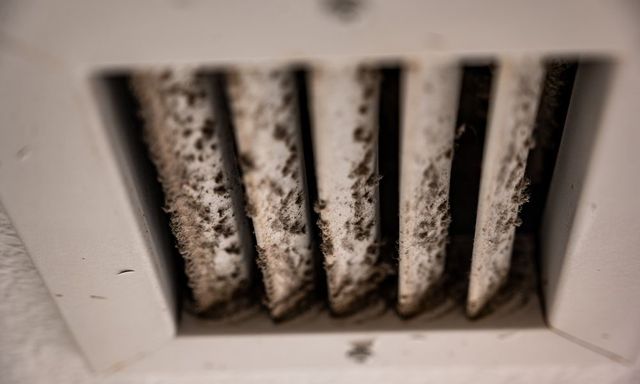
- Around AC vents and ductwork
- Under sinks and behind cabinets
- On walls near windows or exterior doors
- Inside closets on exterior-facing walls
Because rentals see different living habits from tenant to tenant, moisture patterns change constantly. One tenant showers with the fan off, another keeps windows closed all summer, and suddenly the property behaves very differently than before.
Why Rental Properties in Brevard County Are High Risk
Florida rentals deal with challenges owner-occupied homes don’t always face.
Constant Humidity Meets Daily Living
Humidity in Brevard County stays high most of the year. Add daily showers, cooking, laundry, and AC use, and moisture builds up fast. If ventilation or drainage falls short even a little, mold takes advantage.
Tenants Don’t Always Report Issues Right Away
Some tenants wait too long to report leaks or moisture problems. Others assume it’s “normal” or worry about bothering the landlord. That delay allows mold to grow quietly behind walls or under flooring.
High Turnover Means Missed Clues
During quick turnovers, minor signs like faint odors, damp spots, or early staining get overlooked. New tenants move in, and the problem keeps growing.
Shared Walls and Systems
In multi-unit rentals, moisture problems don’t respect unit boundaries. A leak or humidity issue in one unit can affect another, especially through shared walls or HVAC systems.
Common Mold Triggers in Rental Homes
Certain issues show up repeatedly in Brevard County rentals.
Bathroom Ventilation Problems
Bathroom fans that don’t work—or don’t exist—cause constant moisture buildup. Tenants shower, steam rises, and moisture settles on walls and ceilings. Mold follows quickly.
AC and HVAC Issues
Poorly maintained HVAC systems create condensation, uneven cooling, and moisture around vents. Mold near air handlers or ducts is extremely common in rentals.
Plumbing Leaks Under Sinks and Behind Walls
Small leaks under sinks or inside walls often go unnoticed until damage becomes obvious. By then, mold usually spreads beyond the original leak.
Storm and Rain Intrusion
Heavy rain and wind-driven storms push water into places it doesn’t belong. Rental properties with aging roofs, windows, or exterior seals face higher risk.
Signs Tenants Report First (And What They Mean)
Tenants usually notice mold issues before owners do, but the complaints don’t always sound obvious.
Watch for reports like:
- “There’s a musty smell in the bedroom.”
- “The bathroom ceiling keeps getting spots.”
- “The AC smells weird when it turns on.”
- “This room always feels damp.”
- “My allergies feel worse at home.”
These complaints often point to moisture and mold problems even when nothing obvious appears on the surface.
Why Quick Fixes Don’t Work in Rentals
Rental properties tempt owners to look for fast solutions. That’s understandable, but it usually backfires.
Common mistakes include:
- Painting over mold stains
- Replacing drywall without fixing leaks
- Cleaning visible mold only
- Ignoring humidity and ventilation
- Treating mold as a cosmetic issue
Mold doesn’t care about fresh paint or new tenants. If moisture stays, mold comes back. Sometimes stronger, sometimes spread wider.
How Professional Mold Inspections Help Rental Owners
A professional mold inspection removes guesswork, which matters a lot in rentals.
A proper inspection typically includes:
- Visual assessment of affected areas
- Moisture readings in walls and ceilings
- Inspection of HVAC systems
- Evaluation of ventilation and airflow
- Targeted sampling when confirmation helps
The goal isn’t to overreact. It’s to understand what’s actually happening so the fix matches the problem.
Mold Testing in Rental Situations
Testing can be helpful in rental properties, especially when:
- Multiple units are involved
- Tenants report ongoing symptoms
- Property sales or renewals are coming up
- Documentation matters
That said, testing doesn’t remove mold. It supports decision-making. Real solutions come from fixing moisture and removing affected materials properly.
What Proper Mold Remediation Looks Like in Rentals
Good remediation balances effectiveness with minimal disruption.
A proper process usually includes:
- Containment to protect other areas
- HEPA air filtration
- Removal of affected materials when needed
- Cleaning and treatment of remaining surfaces
- Drying and moisture correction
- Verification before re-occupancy
In Brevard County rentals, addressing ventilation and humidity often prevents repeat issues better than repeated cleaning alone.
Preventing Mold Problems Between Tenants
Prevention saves time, money, and awkward conversations.
Smart steps include:
- Inspecting bathrooms and kitchens during turnovers
- Checking under sinks and behind appliances
- Servicing HVAC systems regularly
- Confirming bathroom fans work properly
- Monitoring humidity levels between tenants
Clear communication helps too. When tenants know what to report early, problems stay smaller.
Why Local Experience Matters for Rental Properties
Rental mold issues in Florida don’t behave like they do in dry climates. Coastal moisture, storm exposure, and AC-heavy living patterns all play a role.
That’s why working with Mold and Duct Cleaning Experts makes sense. Local experience leads to faster diagnosis and solutions that actually hold up in Brevard County conditions.
Final Thoughts
Mold in rental properties isn’t a failure—it’s a maintenance reality in Florida. Handling it early, calmly, and correctly protects your investment and keeps tenants comfortable.
When moisture stays under control, mold loses its advantage. And that’s exactly where property owners want things to be.