Mold in New Construction in West Cocoa: What Cocoa Area Property Owners Should Know
Many homeowners assume mold problems only affect older houses, but in West Cocoa and surrounding Brevard County communities, mold issues sometimes appear even in newly built homes. In fact, some mold situations are discovered within the first year or two after construction is completed.
With Florida’s humidity, heavy rain patterns, and nearly constant air-conditioning use, even brand-new homes can develop moisture conditions that allow mold growth if ventilation or drying during construction wasn’t handled properly.
For property owners in West Cocoa, Cocoa, Port St. John, Sharpes, and nearby communities, understanding why mold sometimes appears in new construction helps prevent frustration and costly repairs. Knowing what signs to watch for and how to address moisture issues early protects both comfort and long-term property value.
Why Mold Can Appear in Newly Built Homes
New construction homes often look flawless on the surface, but mold growth doesn’t depend on a home’s age — it depends on moisture.
During construction, homes are exposed to weather, humidity, and rain while materials are installed. If building materials absorb moisture and are sealed into the home before drying completely, mold growth can begin later once the home is occupied.
Common reasons mold appears in new construction homes include:
- Building materials exposed to rain during construction
- Lumber or drywall not fully dried before installation
- Homes sealed too tightly without proper ventilation
- AC systems not calibrated correctly after move-in
- Condensation problems in attic or duct systems
- Landscaping or drainage allowing water near foundations
In humid regions like West Cocoa, moisture control during construction is especially important.
Why West Cocoa Homes Face Unique Moisture Challenges
New homes in West Cocoa still experience the same environmental pressures as older homes.
High Humidity Levels
Florida’s humidity remains high most of the year. Even new homes can trap moisture if airflow and ventilation aren’t properly balanced.
Frequent Rain and Storm Activity
Heavy rains during construction phases sometimes wet framing or interior materials before the structure is sealed.
AC Systems Running Constantly
Air conditioning removes humidity, but improperly configured systems can create condensation inside ducts or attics.
Rapid Development Areas
In fast-growing areas, construction timelines sometimes move quickly, increasing the risk materials are enclosed before drying fully.
Because of these factors, new homes still need moisture management just like older homes.
Signs Mold May Be Developing in a New Home
Homeowners in recently built houses often assume any odor or moisture issue must be minor. However, certain warning signs deserve attention.
Common early signs include:
Musty or Damp Odors
Persistent odors often indicate hidden moisture or mold growth behind walls or ceilings.
Ceiling or Wall Discoloration
Light staining sometimes appears after condensation or leaks.
Peeling Paint or Wall Bubbles
Moisture trapped inside walls can cause finishes to warp or bubble.
Mold Around Air Vents
Condensation near vents sometimes leads to visible mold spotting.
Rooms Feeling Humid or Stuffy
Improper ventilation or HVAC balance may allow humidity buildup indoors.
Even small signs in a new home should be investigated early.
Where Mold Often Hides in New Construction Homes
In West Cocoa homes, mold frequently develops in areas homeowners rarely inspect.
Common hidden areas include:
- Inside attic insulation after condensation
- Behind drywall after plumbing leaks
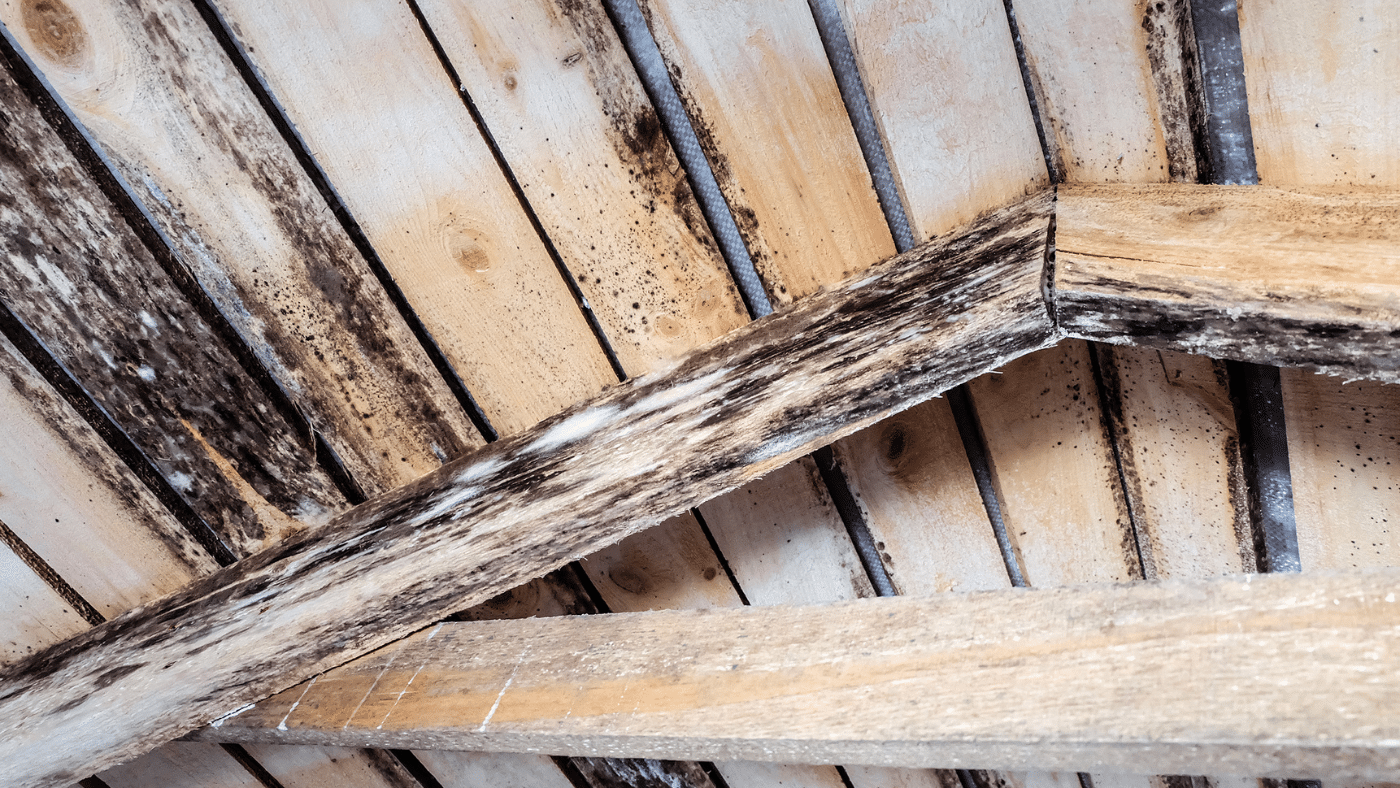
- Around roof decking if moisture entered during construction
- Inside HVAC ductwork
- Under flooring materials after water intrusion
- Behind cabinets or bathroom walls
- Inside air handler closets
Because new homes often have sealed construction, moisture trapped in these areas may not dry easily.
Why DIY Mold Cleanup Often Doesn’t Work
When homeowners discover mold in a new home, many try cleaning it themselves. Unfortunately, this usually treats only the surface.
Common DIY mistakes include:
- Cleaning mold without fixing moisture sources
- Using bleach on porous materials
- Painting over mold damage
- Ignoring hidden mold behind surfaces
- Cleaning without proper containment, spreading spores
If moisture conditions remain, mold often returns.
How Professional Mold Inspection Helps in New Homes
When mold concerns arise, inspections help determine whether moisture issues exist and where they originate.
A professional inspection typically includes:
Visual Evaluation
Inspectors review attics, HVAC systems, bathrooms, kitchens, and moisture-prone areas.
Moisture Detection Tools
Specialized tools help identify hidden moisture behind walls or under flooring.
Air or Surface Testing When Needed
Sampling may help determine whether mold levels are elevated indoors.
Laboratory Analysis
In some situations, samples help confirm conditions.
Inspections provide clarity and guide next steps.
How Mold Remediation Works in New Construction Homes
Proper remediation focuses on both cleanup and prevention.
Typical steps include:
- Containing affected areas
- Removing contaminated materials safely
- Cleaning surrounding surfaces
- Correcting moisture sources
- Thoroughly drying affected areas
In new homes, remediation may also reveal construction-related moisture problems that require correction.
Preventing Mold Problems in New West Cocoa Homes
Preventing mold growth in new homes involves managing humidity and moisture from the beginning.
Helpful prevention practices include:
- Scheduling regular AC system maintenance
- Ensuring proper HVAC airflow balance
- Using dehumidifiers if indoor humidity remains high
- Inspecting attics periodically
- Checking roofs after storms
- Repairing plumbing leaks quickly
- Running bathroom and kitchen exhaust fans
- Maintaining proper drainage around the home
- Keeping climate control active even during vacations
Consistent maintenance prevents many mold issues.
Why Local Mold Experience Matters
Homes in West Cocoa and surrounding communities face environmental challenges unique to coastal Florida.
Professionals familiar with Brevard County homes understand:
- Coastal humidity effects on new construction
- Storm-related moisture intrusion patterns
- Slab foundation moisture concerns
- Attic ventilation challenges
- AC condensation problems common locally
Local experience allows quicker identification of moisture sources and long-term solutions. Cocoa Mold Removal regularly works with homeowners across Cocoa, West Cocoa, Port St. John, Sharpes, and Canaveral Groves, helping property owners correct moisture issues affecting both older and newer homes.
What Property Owners Should Do If Mold Appears in a New Home
Discovering mold in a new home can feel surprising, but early action usually keeps problems manageable.
A professional inspection can help determine:
- Whether mold is present
- Where moisture is entering or accumulating
- How extensive the issue may be
- Whether remediation is needed
Addressing moisture concerns early prevents larger repairs later.
A Practical, Reassuring Next Step
New construction homes in West Cocoa offer modern features and energy efficiency, but they still require attention to moisture management in Florida’s humid climate.
If you notice musty odors, humidity concerns, or visible mold, a professional evaluation can provide clarity and help keep your home comfortable and protected long-term.
Taking action early almost always prevents small issues from turning into costly repairs.