Mold in Mobile Homes in West Cocoa: What Cocoa Area Property Owners Should Know
Mobile homes are a common and practical housing option in West Cocoa, but they face unique mold challenges compared to site-built houses. Lighter construction materials, tighter interiors, and exposure to Florida’s humidity mean moisture problems can develop faster—and mold can spread quietly before anyone realizes there’s an issue.
For homeowners, landlords, and property managers in West Cocoa and nearby Cocoa-area communities, mold in mobile homes is rarely caused by poor cleaning. It’s almost always tied to moisture control, airflow, and hidden water sources. Understanding where mold forms and why it behaves differently in mobile homes helps prevent repeat problems and unnecessary repairs.
Why Mobile Homes in West Cocoa Are More Vulnerable to Mold
West Cocoa’s climate already creates ideal conditions for mold, and mobile home construction can amplify those risks.
Key factors include:
High humidity year-round
Moist outdoor air easily enters mobile homes, raising indoor humidity quickly.
Lighter building materials
Thin wall panels, subfloors, and insulation absorb moisture faster and dry more slowly.
Limited insulation and airflow
Some mobile homes lack balanced ventilation, trapping humid air inside.
Raised foundations
Crawl-under spaces allow ground moisture to rise into floors and walls.
Roof and seam exposure
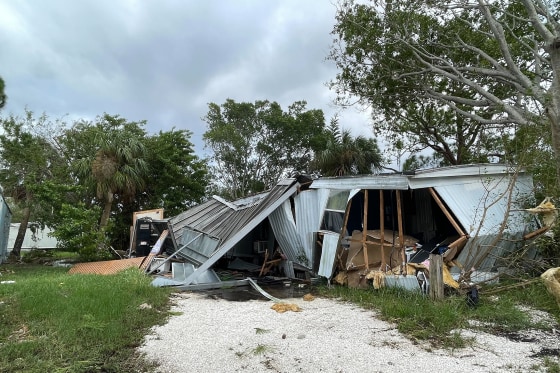
Mobile home roofs, seams, and penetrations are more vulnerable during storms.
These conditions allow mold to develop even without obvious leaks.
Common Places Mold Develops in Mobile Homes
Mold in mobile homes often appears in predictable locations tied to moisture and airflow.
Frequent problem areas include:
- Under sinks and around plumbing lines
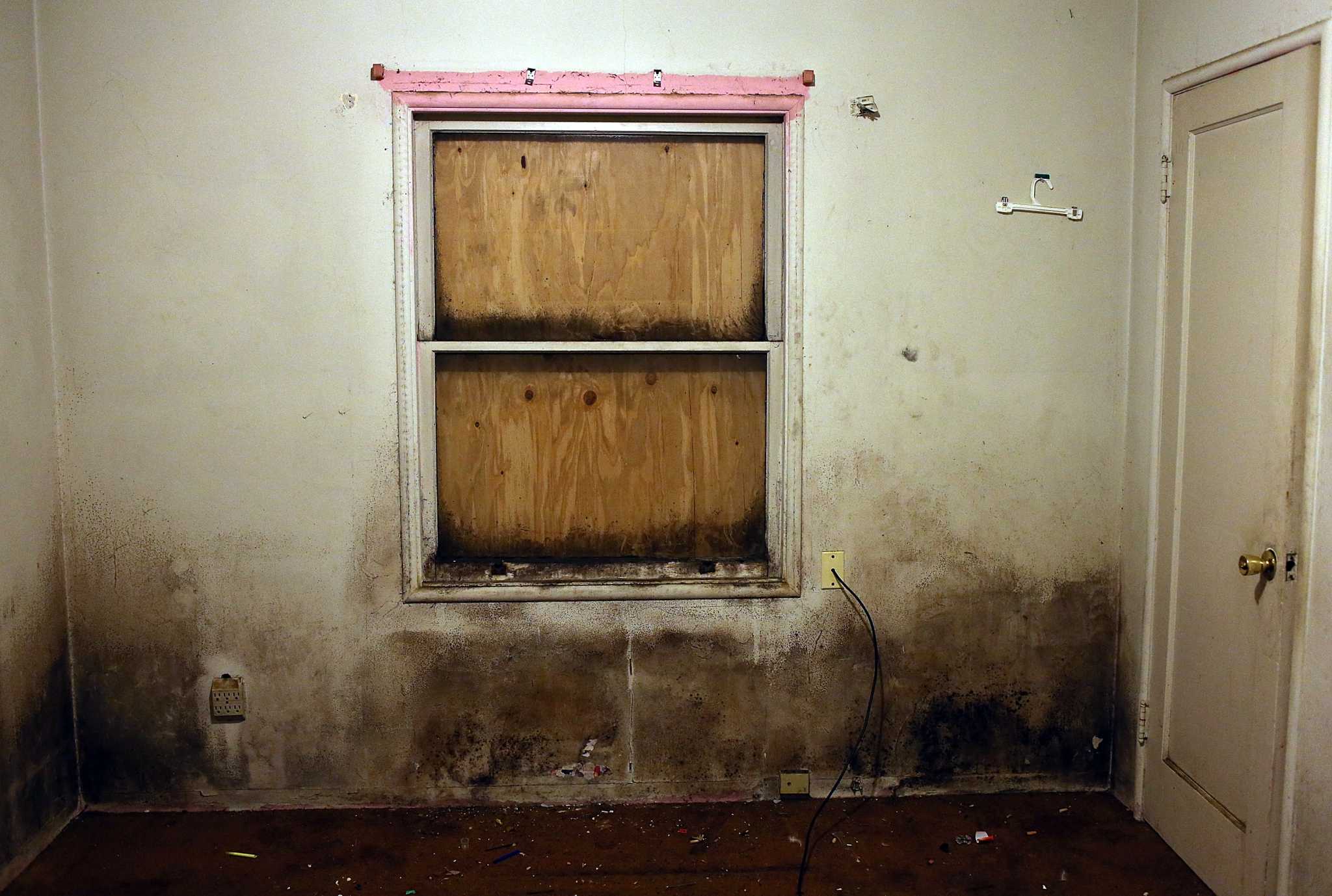
- Along exterior walls and corners
- Inside closets with limited airflow
- Beneath flooring, especially near bathrooms and kitchens
- Around windows and door frames
- In HVAC closets or near vents
- Under the home, affecting subfloors and insulation
Because materials are thinner, mold can spread faster than in traditional homes.
Floor and Subfloor Mold in Mobile Homes
One of the biggest mold risks in West Cocoa mobile homes is mold beneath the flooring.
Raised foundations allow moisture from the ground to affect:
- Wood subfloors
- Insulation beneath the home
- Flooring materials above
Warning signs include:
- Musty odors near floor level
- Soft or spongy floors
- Warped or lifting flooring
- Mold appearing near baseboards
If moisture under the home isn’t controlled, mold often returns even after cleaning.
Roof Leaks and Ceiling Mold
Mobile home roofs can be especially vulnerable to leaks from:
- Aging sealants
- Storm damage
- Loose fasteners
- Roof penetrations
Even small leaks can soak ceiling panels and insulation quickly. Because these materials dry slowly in humid air, mold often appears weeks after the leak seems resolved.
Plumbing Leaks and Hidden Moisture
Plumbing leaks in mobile homes spread moisture quickly due to tight wall cavities.
Common leak locations include:
- Under sinks
- Behind toilets and showers
- Near water heaters
- Inside walls where pipes run
Slow leaks are particularly risky because they may go unnoticed while feeding mold growth behind panels or under floors.
Humidity and Condensation Problems
Humidity alone can cause mold in mobile homes—no leak required.
Common condensation issues include:
- Moisture forming on windows
- Condensation on walls or ceilings
- Damp air that never feels dry
- Mold forming near vents or AC units
In West Cocoa, mobile homes can become humid quickly if AC systems don’t remove enough moisture.
HVAC Systems and Mold Spread
Many mobile homes rely heavily on AC systems for cooling and moisture control. If condensation problems occur inside the system, mold can develop and spread throughout the home.
Signs HVAC-related mold may be present include:
- Musty odors when the AC runs
- Mold appearing in multiple rooms
- Condensation around vents
- Dust that smells damp
Because mobile homes are smaller, HVAC-related mold can affect the entire living space quickly.
Why DIY Mold Cleanup Often Fails in Mobile Homes
DIY cleaning may remove visible mold temporarily, but it rarely solves the problem in mobile homes.
DIY approaches fail because:
- Mold is growing behind wall panels or under flooring
- Moisture sources aren’t corrected
- Thin materials stay damp longer
- Ground moisture continues feeding mold
Without addressing moisture beneath the home or inside walls, mold usually returns.
Warning Signs Mold May Be Present
Mold in mobile homes often shows subtle signs before becoming obvious.
Watch for:
- Persistent musty or earthy odors
- Mold returning after cleaning
- Soft floors or walls
- Bubbling or peeling wall panels
- Condensation that doesn’t dry
- Mold appearing in closets or corners
These signs usually point to hidden moisture problems.
How Professional Inspections Help Mobile Homes
A professional mold inspection focuses on how moisture enters and moves through a mobile home, not just visible mold.
An inspection may include:
- Moisture readings in walls, floors, and ceilings
- Indoor humidity measurements
- HVAC system evaluation
- Inspection beneath the home
- Identification of roof, plumbing, or condensation issues
In West Cocoa mobile homes, inspections often reveal multiple contributing factors rather than a single cause.
Mold Testing in Mobile Homes
Mold testing isn’t always required, but it can help when:
- Odors persist without visible mold
- Multiple areas are affected
- HVAC involvement is suspected
- Documentation is needed
Testing is most effective when paired with moisture findings.
Proper Mold Remediation for Mobile Homes
Effective remediation addresses both mold and moisture.
A proper approach may include:
- Containment to prevent spore spread
- Removal of mold-affected materials
- Cleaning and HEPA air filtration
- Correcting moisture sources
- Improving ventilation and humidity control
- Drying and verification
Skipping moisture correction almost guarantees mold will return.
Preventing Mold in West Cocoa Mobile Homes
Prevention focuses on consistent moisture control.
Helpful steps include:
- Keeping indoor humidity below ~55%
- Running AC consistently
- Inspecting under the home for moisture
- Sealing roof seams and penetrations
- Fixing plumbing leaks promptly
- Using exhaust fans during showers and cooking
- Monitoring closets and corners
In Florida, prevention is ongoing—not seasonal.
Why Local West Cocoa Experience Matters
Mobile homes behave differently in Florida’s climate than traditional houses. West Cocoa properties face challenges tied to humidity, ground moisture, storms, and construction materials.
Professionals familiar with West Cocoa understand how moisture affects mobile homes locally and where mold typically develops. Cocoa Mold Removal brings this local experience, helping property owners identify mobile-home mold issues accurately and prevent repeat problems.
A Practical Takeaway for Property Owners
Mold in mobile homes often spreads faster and hides more easily than in site-built houses. By the time visible mold appears, moisture may already be affecting floors, walls, or insulation.
If your West Cocoa mobile home has musty odors, soft floors, or recurring mold, an early evaluation can prevent major repairs. Managing humidity, addressing moisture promptly, and understanding how mobile homes handle moisture are the keys to long-term protection in Florida’s challenging climate.
Relevant Images for This Article