Mold in Mobile Homes in Cocoa Beach: What Cocoa Area Property Owners Should Know
Mold issues are especially common in mobile homes in Cocoa Beach, and many property owners are caught off guard by how quickly problems can develop. Even well-maintained mobile homes can experience mold growth due to coastal humidity, limited airflow, lightweight construction materials, and moisture intrusion. Unlike traditional block or slab homes, mobile homes react faster to moisture changes—and that makes mold easier to start and harder to control if it goes unnoticed.
In Cocoa Beach and across the Cocoa area, mobile homes are exposed to salt air, frequent storms, high humidity, and temperature swings that stress roofs, floors, and HVAC systems. Understanding how mold develops in mobile homes, where it commonly hides, and what early warning signs look like is essential for protecting comfort, air quality, and long-term property condition.
This guide explains why mold is so common in Cocoa Beach mobile homes, where problems typically start, and what property owners should know to prevent small moisture issues from turning into serious mold situations.
Why Mobile Homes in Cocoa Beach Are More Vulnerable to Mold
Mobile homes are built differently than site-built houses, and those differences matter in Florida’s climate.
Common factors include:
- Lightweight construction materials
- Thinner walls and floors
- Limited insulation compared to block homes
- Greater exposure to outdoor humidity
- Elevated foundations with open airflow underneath
In a coastal environment like Cocoa Beach, these factors allow moisture to move into and through the structure more easily, creating ideal conditions for mold growth.
Coastal Humidity and Salt Air Effects
Cocoa Beach’s coastal air carries moisture almost constantly.
Salt air:
- Holds humidity longer
- Encourages condensation on cool surfaces
- Accelerates material wear
In mobile homes, this means walls, ceilings, and HVAC components can stay damp even when there’s no obvious leak.
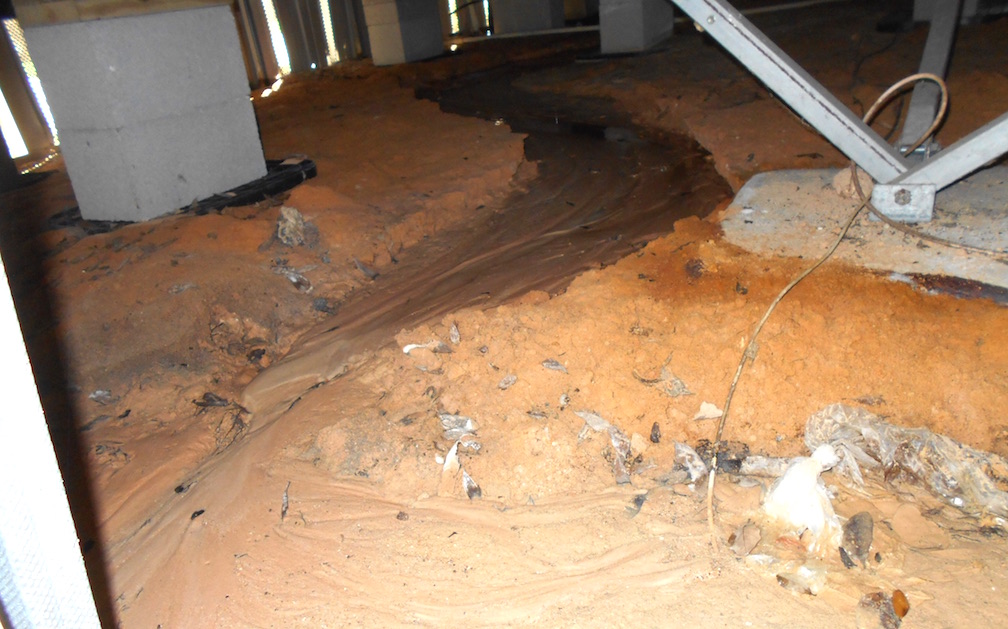
Under-Floor Moisture: A Major Mold Source
One of the most common mold problems in mobile homes starts under the floor.
Moisture issues occur because:
- The ground beneath the home stays damp
- Poor ventilation traps humidity underneath
- Plumbing leaks go unnoticed below flooring
Mold may develop on:
- Subfloor materials
- Floor joists
- Insulation beneath the home
By the time mold odors are noticed indoors, growth underneath may already be extensive.
Roof Leaks and Mobile Home Mold
Roof leaks are another frequent mold trigger.
Mobile home roofs:
- Are more susceptible to wind damage
- Use seams and coatings that degrade over time
- Can allow water intrusion without obvious dripping
Even small roof leaks can introduce moisture into ceiling cavities and wall systems, where mold can grow quietly long after the leak stops.
Wall Cavities and Hidden Mold
Mobile home wall systems are thin, which makes them vulnerable to moisture intrusion.
Mold may develop:
- Behind interior wall panels
- Around window and door frames
- Along exterior walls exposed to wind-driven rain
Because wall panels hide damage well, mold often spreads before being detected.
HVAC Systems in Mobile Homes
HVAC systems play a major role in mold issues.
Common challenges include:
- Undersized or oversized AC units
- Inadequate dehumidification
- Condensation buildup in ductwork
- Poor airflow to certain rooms
When humidity stays high indoors, mold growth becomes much more likely.
Why Mold Odors Are Often the First Sign
In Cocoa Beach mobile homes, mold is often discovered by smell first.
Musty or earthy odors may:
- Appear when the AC turns on
- Be strongest in bedrooms or closets
- Worsen after rain or humid days
Odors usually indicate hidden mold, not surface dirt.
Closets and Bedrooms: High-Risk Areas
Closets and bedrooms frequently show early mold signs.
Reasons include:
- Limited airflow
- Exterior wall exposure
- Trapped humidity
Mold may appear on walls, clothing, shoes, or stored items before spreading further.
Plumbing Leaks in Mobile Homes
Plumbing systems in mobile homes are often routed under floors or inside tight wall spaces.
Common issues include:
- Slow leaks under sinks
- Condensation on cold water lines
- Leaks beneath bathrooms or kitchens
Because access is limited, these leaks can feed mold growth for long periods without detection.
Why Mold Often Returns After Cleaning
Many property owners try to clean mold themselves—only to see it come back.
This happens because:
- Moisture sources remain active
- Hidden mold isn’t removed
- Under-floor or wall cavity issues are missed
In mobile homes, surface cleaning rarely addresses the real problem.
Flooring Problems and Mold
Flooring issues often signal deeper moisture problems.
Warning signs include:
- Soft or spongy floors
- Warping or buckling
- Persistent damp smells
These symptoms frequently point to mold growing beneath the floor.
Why Mobile Homes Dry Slower
Mobile homes often dry slower than traditional homes because:
- Materials absorb moisture quickly
- Ventilation is limited
- Humidity re-enters easily
Slow drying allows mold to establish even after moisture events seem minor.
DIY Mold Cleanup Risks in Mobile Homes
DIY cleanup can make mold problems worse.
Risks include:
- Disturbing mold beneath floors
- Spreading spores through airflow
- Leaving materials damp
- Masking odors without fixing moisture
Mobile homes require careful moisture management, not just cleaning.
When Professional Evaluation Is Especially Important
Mobile homes require a different inspection approach.
Professional evaluation helps:
- Inspect under-floor areas safely
- Identify hidden moisture sources
- Evaluate ventilation and airflow
- Avoid unnecessary interior demolition
Many Cocoa Beach property owners rely on experienced local providers like Cocoa Mold Removal because mobile homes and coastal conditions require specialized knowledge.
Preventing Mold in Cocoa Beach Mobile Homes
Prevention focuses on moisture control and monitoring.
Helpful steps include:
- Keeping indoor humidity below 55%
- Running AC consistently
- Improving airflow under the home
- Inspecting roofs and seams regularly
- Checking plumbing connections often
- Addressing odors immediately
In coastal Florida, prevention must be ongoing.
Mold and Mobile Home Resale Value
Mold issues can significantly impact:
- Inspections
- Buyer confidence
- Financing and insurance discussions
Early detection and documentation protect long-term value.
Monitoring a Mobile Home Over Time
Mobile homes need regular observation.
Property owners should:
- Monitor humidity levels
- Inspect under-floor areas periodically
- Pay attention to odors
- Check after storms or heavy rain
Small issues escalate quickly if ignored.
A Practical Takeaway for Property Owners
Mold in mobile homes in Cocoa Beach is not a sign of poor upkeep—it’s the result of how mobile home construction interacts with coastal humidity, airflow, and moisture. Under-floor moisture, roof leaks, HVAC condensation, and limited ventilation make mold easier to start and harder to spot.
Property owners who focus on humidity control, under-home inspections, early warning signs, and proper evaluation are far more successful at preventing mold from becoming a recurring issue. In Cocoa Beach and throughout the Cocoa area, understanding how mobile homes handle moisture is the key to protecting comfort, indoor air quality, and long-term property value.