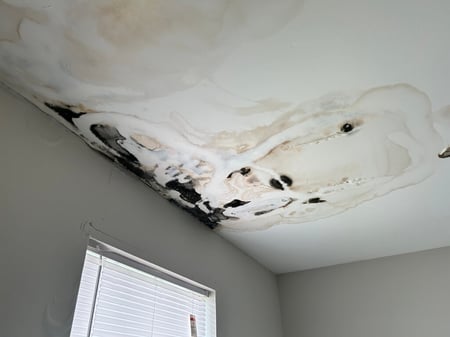
Mold in Garages in Brevard County: What Cocoa Area Property Owners Should Know
Garages are one of the most overlooked spaces when it comes to mold, yet they are one of the most common places mold develops in Brevard County homes. Property owners in Cocoa, Cocoa Beach, West Cocoa, Port St. John, Sharpes, Canaveral Groves, and surrounding areas often assume garages are “safe” from mold because they’re not living spaces. In reality, garages frequently have ideal conditions for moisture buildup, especially in Florida’s climate.
In many cases, garage mold goes unnoticed until it spreads into the home, causes persistent odors, or becomes visible on walls and ceilings. This article explains why mold is common in garages, where it typically grows, what warning signs to watch for, and what Cocoa-area property owners should understand to prevent long-term issues.
Why Garages Are High-Risk Areas for Mold in Brevard County
Garages experience environmental conditions that are very different from the rest of the house. In Brevard County, these differences often work in mold’s favor.
Common garage conditions that promote mold include:
- Poor ventilation
- High humidity
- Unconditioned space with temperature swings
- Moisture brought in by vehicles
- Concrete floors that release moisture
- Shared walls with living spaces
- Roof or exterior wall exposure
Unlike interior rooms, garages are rarely climate-controlled, which allows moisture to linger for long periods.
Florida Humidity and Garages: A Bad Combination
Florida’s humidity is a major factor in garage mold issues. Even on days without rain, outdoor humidity can remain high enough to create condensation on cooler surfaces inside the garage.
In Brevard County garages, humidity problems often occur when:
- Warm, moist air enters through gaps or open doors
- Cooler concrete or drywall surfaces cause condensation
- Airflow is limited or nonexistent
- The garage remains closed for long periods
Because garages are often sealed off from the home’s HVAC system, moisture is rarely removed efficiently.
How Moisture Commonly Enters Garages
Garage moisture doesn’t always come from a single obvious source. Often, it’s the result of multiple contributing factors.
Common moisture sources include:
- Rainwater blown in under garage doors
- Water dripping from vehicles after rain
- Plumbing lines running through garage walls
- Water heaters or laundry equipment in garages
- Roof leaks over garage areas
- Exterior wall leaks
- Condensation from temperature differences
Over time, even small amounts of repeated moisture can lead to mold growth.
Common Places Mold Grows in Garages
Garage mold is often hidden at first and becomes visible only after growth is well established.
Garage Walls
Drywall in garages is especially vulnerable. Moisture wicks up from concrete floors or enters through exterior walls, allowing mold to grow behind or on the surface of drywall.
Ceilings
Garages located under living spaces or rooflines often develop mold on ceilings due to:
- Roof leaks
- Condensation
- Poor insulation
- Trapped humidity
Corners and Lower Wall Sections
Mold frequently appears near the floor where moisture accumulates or wicks upward.
Storage Areas
Boxes, stored items, and shelving can trap moisture and block airflow, allowing mold to grow unnoticed behind them.
Near Doors and Windows
Poorly sealed garage doors and exterior access doors allow humid air and rainwater intrusion.
Why Garage Mold Often Goes Unnoticed
Garage mold often develops quietly because garages are not inspected as frequently as living spaces.
Common reasons it’s missed include:
- Garages are used mainly for storage
- Mold grows behind shelves or items
- Odors are masked by outdoor air
- Growth occurs on surfaces people rarely touch
By the time mold is noticed, it may already cover a large area or be affecting adjacent rooms.
How Garage Mold Can Spread Into the Home
One of the biggest risks of garage mold is migration into living spaces.
This can happen through:
- Shared walls with bedrooms or living areas
- Air movement through doors and gaps
- HVAC systems pulling air from the garage
- Attic connections above the garage
Mold spores and odors can move easily, even if the mold itself remains in the garage.
Warning Signs of Mold in Garages
Property owners should watch for early indicators that moisture and mold are present.
Common warning signs include:
- Musty or earthy odors in the garage
- Discoloration on walls or ceilings
- White, black, green, or gray spotting
- Bubbling or peeling paint
- Damp-feeling air
- Mold returning after cleaning
- Odors transferring into the house
Any recurring sign usually means moisture is still present.
Why DIY Garage Mold Cleanup Often Fails
DIY cleanup is a common response, but it rarely solves the problem long term.
DIY methods fail because:
- Mold is often inside walls or behind materials
- Bleach does not address moisture sources
- Concrete and drywall retain moisture
- Poor ventilation remains unchanged
- Humidity continues to feed growth
In Brevard County garages, surface cleaning without moisture control almost always leads to mold returning.
The Role of Concrete Floors in Garage Mold
Concrete garage floors are a major contributor to mold issues.
Concrete is porous and can:
- Absorb moisture from the ground
- Release moisture into the air
- Cause condensation on walls and items
This constant moisture cycle makes garages particularly vulnerable, especially in older homes without vapor barriers.
When Professional Mold Inspection Makes Sense
Professional inspection is strongly recommended when:
- Garage odors persist
- Mold keeps returning after cleaning
- There is visible staining or growth
- Moisture damage is present
- The garage shares walls with living spaces
- You’re buying or selling a property
A proper inspection focuses on moisture behavior, not just visible mold.
What a Garage Mold Inspection Typically Includes
A professional garage mold inspection may involve:
- Visual assessment of walls, ceilings, and floors
- Moisture readings in drywall and concrete
- Inspection of rooflines and exterior walls
- Evaluation of ventilation and airflow
- Checking plumbing or equipment in the garage
- Air or surface sampling when appropriate
This helps identify why mold developed and how to prevent recurrence.
Mold Remediation in Garages
When mold is confirmed, remediation focuses on removal and moisture correction.
Proper remediation may include:
- Containment of affected areas
- Removal of contaminated drywall or materials
- Cleaning and treatment of framing or concrete
- Improving ventilation
- Sealing moisture entry points
- Drying and dehumidification
- Post-remediation verification
Effective remediation addresses both the mold and the conditions that allowed it to grow.
Preventing Mold in Brevard County Garages
While garages will always be more exposed, mold risk can be reduced with proactive steps:
- Improve ventilation where possible
- Keep garage doors sealed properly
- Address roof or wall leaks immediately
- Avoid storing items directly on the floor
- Use moisture-resistant materials when upgrading
- Control humidity when feasible
- Inspect garages regularly, especially after storms
After heavy rain or hurricanes, early inspection is especially important.
Why Local Experience Matters With Garage Mold
Garage mold behaves differently in Florida than in drier regions. Local professionals understand:
- Brevard County humidity patterns
- Common garage construction styles
- Typical moisture entry points
- How garages interact with slab foundations
That local knowledge leads to more accurate inspections and realistic recommendations. Many property owners rely on experienced local providers like Cocoa Mold Removal for evaluations focused on long-term prevention rather than cosmetic fixes.
A Practical Takeaway for Property Owners
Mold in garages is common in Brevard County—and often underestimated. Because garages are unconditioned, poorly ventilated, and exposed to moisture from multiple sources, mold can develop quickly and quietly.
If you notice odors, staining, or recurring moisture in your garage, it’s worth taking a closer look. Addressing garage mold early helps protect the structure, prevent spread into the home, and avoid costly repairs later.