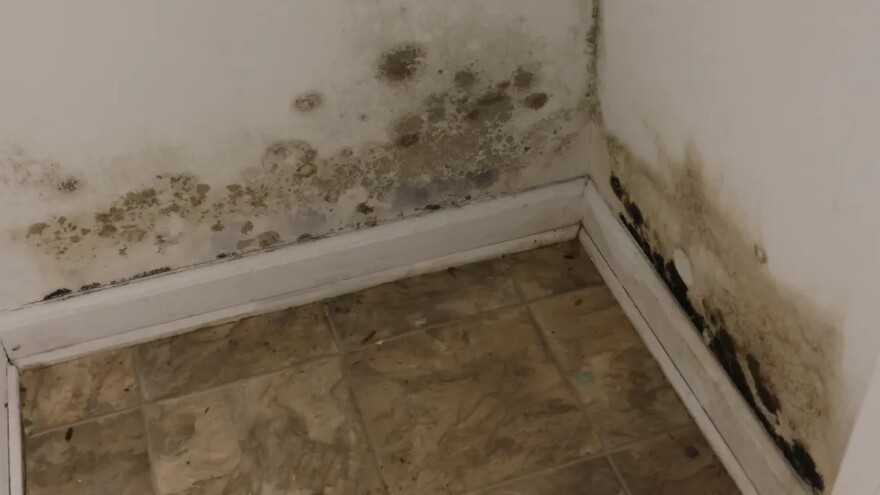
Mold in Florida Summers in Port St. John: What Cocoa Area Property Owners Should Know
Florida summers in Port St. John are long, hot, and relentlessly humid. While residents expect the heat, many underestimate how aggressively summer conditions push mold growth inside homes. In Brevard County, summer mold problems aren’t rare events—they’re seasonal patterns driven by humidity, rain, and how homes are operated during the hottest months of the year.
What makes summer mold tricky is that it often develops without dramatic leaks or flooding. Homes can look fine on the surface while moisture quietly builds in walls, attics, and HVAC systems. Understanding why summer is peak mold season in Port St. John helps property owners recognize early warning signs and take action before mold spreads or becomes a recurring issue.
Why Summer Is Peak Mold Season in Port St. John
Summer creates a perfect storm for mold growth. Warm air holds more moisture, and Port St. John experiences consistently high humidity for months at a time.
Summer mold risk increases because:
- Outdoor humidity stays elevated day and night
- Daily rainstorms add repeated moisture
- Homes rely heavily on air conditioning
- Drying times slow dramatically
- Materials absorb moisture from the air
Mold doesn’t need a single big water event. In summer, constant moisture exposure is enough.
High Humidity Is the Primary Summer Mold Driver
Humidity is the main reason mold thrives during Florida summers. Even without leaks, high humidity alone can create mold-friendly conditions.
High humidity causes:
- Drywall and wood to absorb moisture
- Insulation to stay damp
- Closets and cabinets to dry slowly
- Condensation to form repeatedly
When indoor humidity stays elevated for extended periods, mold can begin growing quietly behind surfaces.
Daily Rain Creates Repeated Moisture Cycles
Port St. John summers often bring afternoon or evening storms. Even when rain is brief, the effects linger.
Repeated rain leads to:
- Saturated soil around foundations
- Moisture intrusion through small gaps
- Elevated indoor humidity for days
- Limited drying time between storms
Mold problems often develop after several rain events, not just one.
Attics Are a Major Summer Mold Hotspot
Attics are one of the most common places mold develops during summer—and one of the least checked.
Summer attic mold occurs because:
- Hot, humid air enters attic spaces
- Ventilation struggles to remove moisture
- Temperature differences cause condensation
- Insulation holds moisture
Attic mold often goes unnoticed until odors appear or inspections reveal the problem later.
HVAC Systems Work Harder—and Create Moisture
Air conditioning is essential in summer, but it also produces condensation. In Port St. John homes, HVAC systems run almost nonstop during summer months.
Common HVAC-related summer mold issues include:
- Clogged condensate drain lines
- Overflowing drain pans
- Damp duct insulation
- Condensation near supply and return vents
When HVAC moisture isn’t managed properly, mold-related odors can spread throughout the home.
Condensation Is Constant During Summer
Summer temperature differences between indoor and outdoor air create ongoing condensation.
Condensation commonly forms:
- On AC vents
- On ductwork
- Near windows and doors
- Along exterior walls
Repeated condensation keeps surfaces damp, even when they appear dry later in the day.
Closets and Enclosed Spaces Trap Summer Humidity
Closets, storage rooms, and cabinets are some of the first places mold appears during summer.
They’re vulnerable because:
- Airflow is limited
- Doors stay closed
- Exterior walls are warmer
- Humidity becomes trapped
Summer closet mold is often discovered by smell before it’s seen.
Slab Foundations and Summer Moisture
Many Port St. John homes are built on slab foundations. Summer rain saturates soil, allowing moisture to migrate upward through concrete.
This can lead to:
- Damp flooring materials
- Moisture near baseboards
- Mold growth along lower walls
Because slab moisture movement is slow and invisible, mold may develop long before any surface signs appear.
Mold Often Appears Without Obvious Leaks
One of the most confusing aspects of summer mold is that it often appears without any clear water source.
This happens because:
- Humidity alone can support mold
- Materials never fully dry
- Moisture accumulates gradually
Visible mold is usually a late-stage sign of a long-term summer moisture issue.
Odors Are a Common Summer Warning Sign
Musty or earthy odors are one of the earliest indicators of summer mold problems.
These odors often:
- Appear stronger in the morning
- Worsen when the AC runs
- Spread between rooms
Ignoring odors allows mold growth to continue unnoticed.
Summer Mold Can Spread Quickly
Warm temperatures accelerate mold growth. Once conditions are right, mold can expand rapidly during summer.
Mold spreads faster when:
- Humidity remains high
- Drying is incomplete
- HVAC systems circulate air
- Moisture sources remain active
This is why small summer mold issues can turn into larger problems in a short time.
DIY Cleaning Doesn’t Stop Summer Mold
Many homeowners try wiping visible mold or spraying cleaners, only to see it return.
DIY cleanup fails because:
- Moisture conditions remain unchanged
- Hidden mold is untouched
- Summer humidity continues feeding growth
Summer mold problems are moisture problems, not cleaning problems.
Summer Mold and Indoor Air Quality
As mold grows, it often affects how a home smells and feels.
Summer mold can lead to:
- Persistent musty odors
- Stale or heavy indoor air
- Odors that return after cleaning
These changes often indicate hidden mold growth somewhere in the home.
Vacation and Vacant Homes Face Higher Summer Risk
Homes that sit vacant during summer are especially vulnerable.
During vacancy:
- AC systems may be turned up or off
- Indoor humidity rises quickly
- Moisture goes unnoticed
Many severe summer mold problems are discovered when owners return after weeks away.
Summer Storms Increase Mold Pressure
Storm season overlaps with peak summer humidity, compounding mold risk.
Storm-related summer issues include:
- Wind-driven rain intrusion
- Power outages stopping AC systems
- Delayed drying
Mold often becomes noticeable days or weeks after storms, not during them.
Summer Mold Can Affect Property Value
Unresolved summer mold issues often show up during inspections or transactions.
Potential impacts include:
- Buyer concerns about moisture control
- Inspection report findings
- Negotiation pressure
Properly addressed and documented mold issues typically have minimal long-term impact.
Why Professional Evaluation Matters in Summer
Summer mold problems are about patterns and conditions, not isolated spots.
Professional evaluation focuses on:
- Humidity behavior
- Moisture intrusion points
- HVAC performance
- Attic and enclosure conditions
Local providers like Cocoa Mold Removal understand how Florida summers affect homes in Port St. John and where mold typically starts during this season.
Summer Mold Prevention Starts With Consistency
Preventing summer mold requires consistent moisture control.
Effective strategies include:
- Running AC systems consistently
- Avoiding high thermostat settings
- Keeping humidity controlled
- Checking HVAC drain systems
- Inspecting attics and closets
- Addressing odors early
Consistency matters more than short-term fixes.
Don’t Rely on Fans or Open Windows
In summer, fans and open windows often make mold conditions worse by introducing humid outdoor air.
This can:
- Increase indoor humidity
- Create condensation
- Feed mold growth
Humidity control—not airflow alone—is key during Florida summers.
Monitoring During Summer Makes a Big Difference
Regular monitoring helps catch summer mold early.
Helpful checks include:
- Watching for condensation
- Smelling for musty odors
- Inspecting rarely used rooms
- Checking attic access points
Early detection limits spread and repair scope.
Why Local Port St. John Experience Matters
Summer mold behaves differently depending on location, construction, and drainage.
Local professionals understand:
- How summer humidity behaves locally
- Common moisture intrusion points
- Which areas are most vulnerable
This insight leads to more accurate identification and better long-term results.
The Role of a Local Mold Professional
A knowledgeable local provider like Cocoa Mold Removal approaches summer mold calmly and practically—focused on moisture control rather than surface treatment.
The goal is to:
- Identify underlying conditions
- Prevent recurrence
- Provide clear guidance
- Protect the home long-term
A Practical Takeaway for Property Owners
Mold in Florida summers in Port St. John is not unusual—it’s predictable. High humidity, frequent rain, and constant AC use create ideal conditions for mold if moisture isn’t managed carefully.
Summer mold problems usually develop quietly and spread faster than expected. Ignoring early signs like odors or condensation allows mold to gain a foothold that becomes harder to control later.
For property owners who want clarity instead of repeated cleanup, a knowledgeable local provider like Cocoa Mold Removal can help evaluate summer moisture conditions, identify hidden mold risks, and guide effective prevention—keeping Port St. John homes drier, more comfortable, and easier to maintain through Florida’s toughest mold season.