Mold in Schools in Cocoa: What Cocoa Area Property Owners Should Know
Mold in schools is not just a maintenance issue—it is a health, safety, and liability concern, especially in a humid coastal community like Cocoa, Florida. Schools are high-occupancy buildings where children and staff spend long hours indoors, which means indoor air quality matters more here than almost anywhere else. For Cocoa area property owners, school administrators, and facility managers, understanding how mold develops, where it hides, and how to control it is critical to protecting both people and property.
This guide explains what causes mold in Cocoa schools, why it spreads so easily, how it affects students and staff, and what responsible property owners should do to prevent costly and disruptive mold problems.
Why Mold Is Common in Cocoa School Buildings
Cocoa’s climate creates the perfect environment for mold growth. High humidity, frequent rain, and seasonal storms all contribute to moisture intrusion. Mold spores exist naturally in the air, but when they land on damp surfaces indoors, they can begin growing within 24 to 48 hours.
School buildings are especially vulnerable because they often include:
- Large roof surfaces exposed to heavy rain
- Aging plumbing systems
- HVAC systems running constantly
- High indoor humidity from student occupancy
- Limited airflow in storage rooms and older classrooms
Even well-maintained schools can develop mold if moisture control slips for just a short period of time.
Common Places Mold Hides in Schools
Mold is not always obvious. In many Cocoa schools, it develops out of sight and spreads quietly until odors or health complaints draw attention to it.
Roofs and Ceiling Cavities
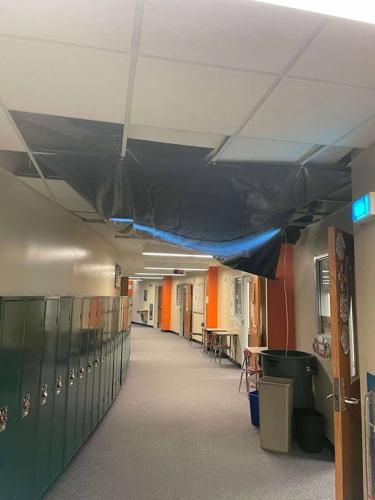
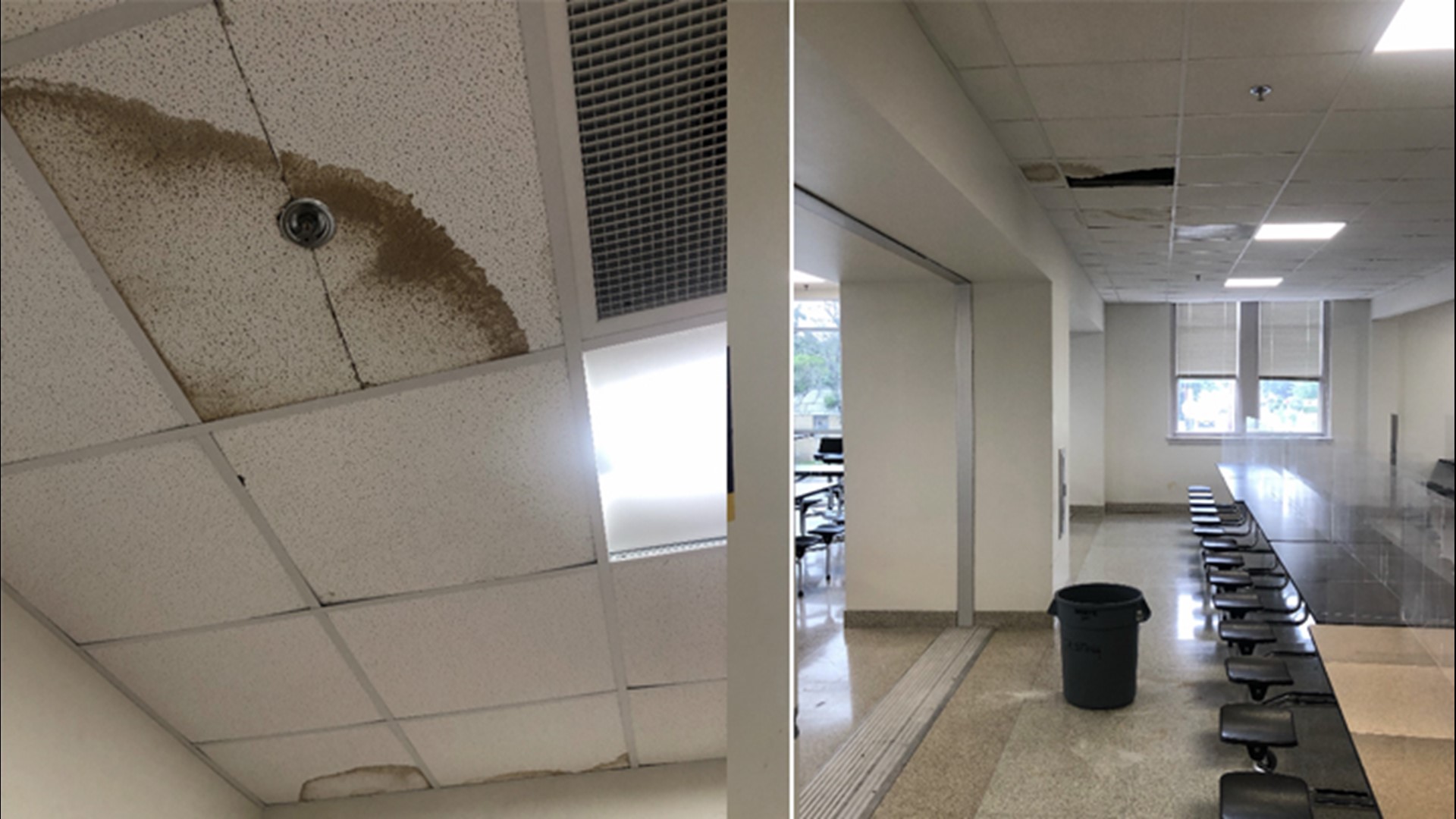
Minor roof leaks can drip slowly into ceiling tiles or insulation. Over time, this moisture allows mold to grow above classrooms without being noticed.
HVAC Systems and Air Ducts
Air conditioning systems remove humidity from indoor air, but condensation inside ducts or poorly drained air handlers can become a major mold source. Once mold grows in HVAC components, spores can circulate throughout the building.
Bathrooms and Locker Rooms
High moisture levels, steam, and inadequate ventilation make restrooms and locker areas common mold hot spots.
Walls Near Windows
Condensation around windows—especially in older buildings—can dampen drywall and framing materials.
Storage Rooms and Portable Classrooms
Low traffic and limited airflow allow moisture problems to go unnoticed for long periods.
Health Effects of Mold Exposure in School Environments
Not everyone reacts to mold the same way, but in a school setting, even mild exposure can cause problems. Children are more sensitive to environmental irritants, and staff members may experience prolonged exposure over many years.
Common health complaints linked to indoor mold include:
- Sneezing, congestion, and itchy eyes
- Persistent coughing or throat irritation
- Headaches or fatigue
- Asthma flare-ups and breathing difficulty
- Increased allergy symptoms
For students with asthma or respiratory conditions, mold exposure can significantly worsen symptoms and interfere with learning and attendance.
While not all mold is toxic, the presence of mold always signals excess moisture—and excess moisture almost always leads to building deterioration if ignored.
Why Mold Becomes a Legal and Financial Risk
For Cocoa area property owners and school administrators, mold is not just a health issue—it can also become a liability issue. Schools have a duty to provide a safe learning environment. Failure to address mold complaints can lead to:
- Parent and staff complaints escalating to formal reports
- Increased scrutiny from health or regulatory agencies
- Costly emergency remediation projects
- Disruptions to school schedules and classroom relocations
- Long-term damage to building materials
Ignoring small moisture problems often leads to larger remediation costs later. Proactive management is almost always less expensive than reactive cleanup.
How Mold Is Identified in Schools
Visual Signs
- Discoloration on walls or ceilings
- Peeling paint or bubbling drywall
- Dark spots around vents or windows
- Musty odors that linger
Moisture Detection
Professional inspections often include moisture meters and infrared imaging to locate hidden damp areas behind walls or above ceilings.
Air and Surface Testing
When mold is suspected but not visible, testing can confirm whether spore levels are elevated indoors and help determine the extent of the issue.
Testing is especially useful when health complaints arise without obvious visual mold growth.
Preventing Mold in Cocoa Schools
The most effective mold strategy is prevention. Cocoa property owners who focus on moisture control significantly reduce the risk of mold growth.
Control Indoor Humidity
Maintain indoor humidity between 30% and 50%. HVAC systems should be properly sized and maintained to handle Florida’s humidity.
Maintain HVAC Systems
- Clean and replace filters regularly
- Ensure condensate drains are clear
- Inspect ductwork for moisture buildup
Address Water Intrusion Immediately
Even small leaks should be repaired quickly. Delayed repairs are one of the most common causes of large-scale mold problems.
Improve Ventilation
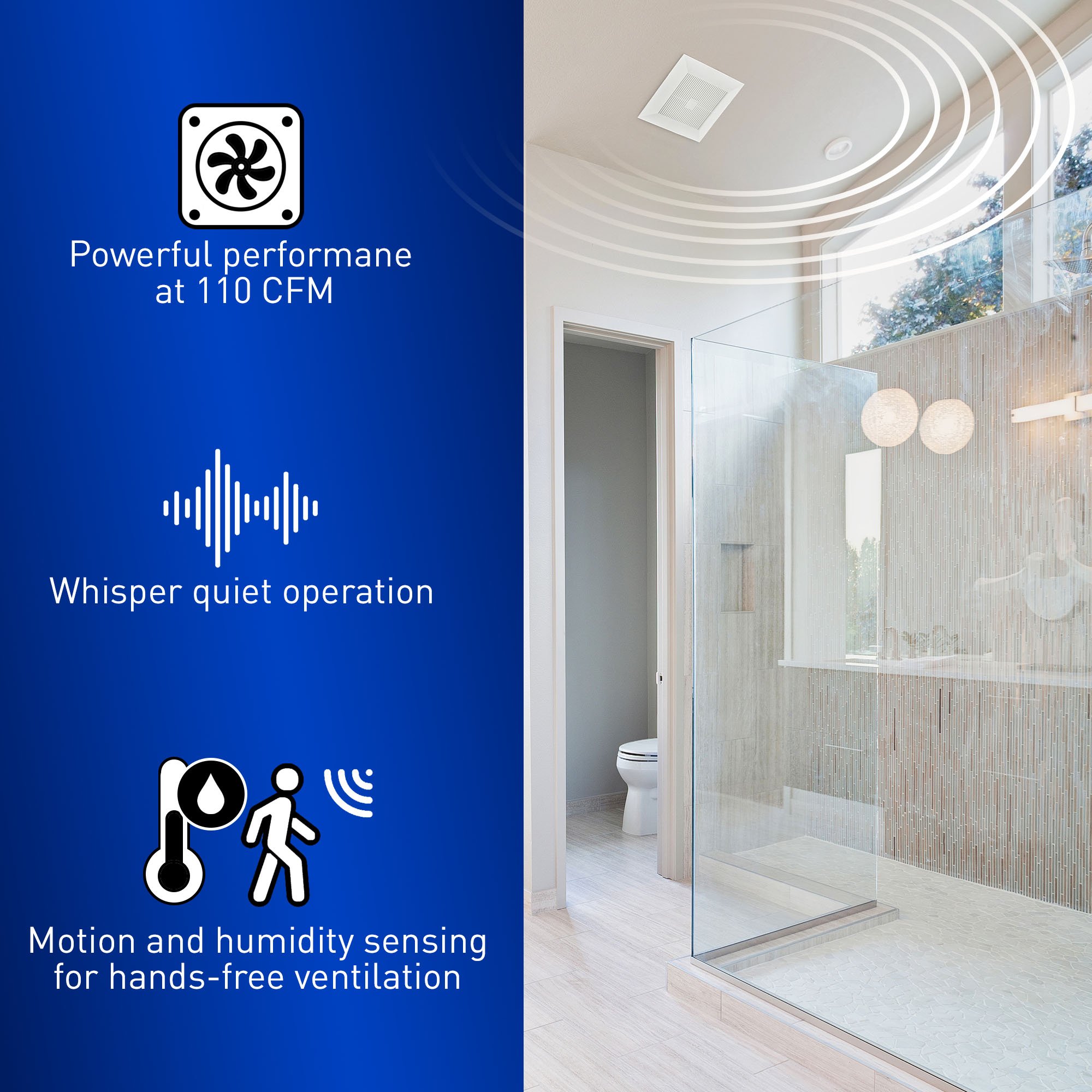
Bathrooms, kitchens, and locker rooms need adequate exhaust ventilation to remove moisture from the air.
Schedule Routine Inspections
Regular walkthroughs of classrooms, storage areas, and mechanical rooms help catch problems early.

What to Do When Mold Is Discovered in a School
Finding mold does not mean panic—but it does require immediate action.
Step 1: Limit Exposure
Restrict access to affected areas if necessary, especially if visible growth or strong odors are present.
Step 2: Identify the Moisture Source
Mold will return if the underlying water problem is not fixed.
Step 3: Bring in Qualified Professionals
Professional assessment helps determine how widespread the issue is and what level of remediation is required.
Step 4: Document the Process
Keep records of inspections, repairs, and remediation steps. Documentation is important for accountability and future planning.
Step 5: Communicate Clearly
Inform staff and parents about what was found and how it is being addressed. Transparency builds trust and prevents misinformation.
Budgeting for Mold Prevention and Remediation
School property owners should plan for mold-related costs as part of routine maintenance, not emergency response.
Costs depend on:
- Size of affected areas
- Duration of moisture exposure
- Materials involved (drywall, insulation, wood)
- Accessibility of affected spaces
Routine inspections and maintenance are far less expensive than major remediation projects that require classroom closures or structural repairs.
Long-Term Planning for Cocoa School Buildings
Cocoa’s climate is not changing, which means moisture challenges will always exist. Long-term mold control requires:
- Ongoing building assessments
- Upgrades to aging HVAC systems
- Improved drainage and roofing maintenance
- Staff training on early warning signs
- Clear reporting procedures for leaks and odors
Schools that invest in prevention protect their buildings, reduce liability exposure, and provide healthier environments for students and staff.
Final Thoughts for Cocoa Area Property Owners
Mold in schools is not inevitable, even in a humid place like Cocoa. It is usually the result of uncontrolled moisture and delayed response. Property owners who understand where mold starts, how it spreads, and why early action matters are in the best position to prevent serious problems.
By prioritizing moisture control, regular inspections, and clear communication, Cocoa schools can remain safe, functional, and healthy places to learn—without the disruption and expense that mold problems bring.
If you want, I can also generate downloadable, website-ready AI images from the visuals above for direct upload.