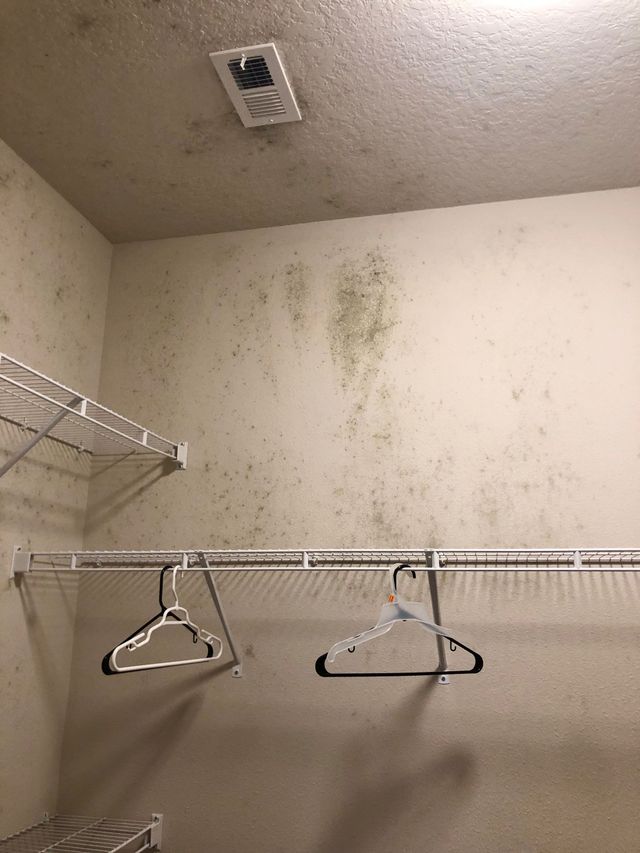
Mold in Closets in Port St. John: What Cocoa Area Property Owners Should Know
CWhy Moisture Detection Becomes Necessary in Merritt Island Under Hardwood Flooring
Hardwood floors are a hallmark of elegance in Merritt Island homes, but beneath their polished surfaces, hidden moisture can create serious problems. Water intrusion from storms, plumbing leaks, or high humidity can seep under the flooring, saturating subflooring and joists. Over time, this trapped moisture leads to mold growth, wood rot, and structural weakening.
Many homeowners mistakenly believe that surface-level dryness indicates safety, but hidden water often lingers undetected. That’s where professional moisture detection comes into play. It identifies wet areas beneath the flooring before they cause serious damage, guiding effective remediation and protecting both property and indoor air quality.
This article examines why moisture detection under hardwood flooring is essential in Merritt Island, how moisture spreads, the detection process, and strategies to prevent recurring issues.
Why Merritt Island Homes Are Vulnerable
1. Coastal Humidity
- Merritt Island is exposed to high humidity year-round, often exceeding 60–70%.
- Wood flooring and subfloor materials absorb moisture from the air, creating a hidden wet environment.
2. Stormwater and Flooding
- Hurricanes, tropical storms, and heavy rainfall can cause water intrusion along doorways, slab foundations, and flooring seams.
- Water can wick under hardwood planks, saturating subflooring and joists without visible signs.
3. Plumbing Leaks and AC Condensation
- Slow leaks from water lines, dishwashers, sinks, or AC systems may go unnoticed for weeks or months.
- Condensation dripping from AC units or plumbing can accumulate beneath hardwood floors, promoting microbial growth.
4. Aging Homes and Construction
- Older homes often have limited subfloor ventilation, cracks, or slab issues, which trap moisture and reduce natural drying.
- Hardwood floors may appear normal on the surface while hidden moisture continues to damage structural materials.
How Moisture Spreads Beneath Hardwood Flooring
1. Capillary Action
- Water travels through wood fibers and subflooring via capillary action, spreading moisture along planks and joists.
- Mold spores follow these damp pathways, colonizing hidden areas.
2. Seams and Gaps
- Hardwood flooring has natural gaps, expansion joints, or small imperfections where water can seep undetected.
- These gaps allow moisture to remain trapped long after visible water has dried.
3. Underlying Subflooring
- Plywood or particleboard subflooring absorbs water from above, creating pockets of saturation.
- Persistent moisture weakens wood, supports mold growth, and can lead to floor warping, squeaks, or soft spots.
4. Adjacent Rooms and Walls
- Water can migrate through floor joists or along walls, spreading hidden moisture beyond the initial point of intrusion.
Common Signs of Hidden Moisture Under Hardwood Floors
- Musty or earthy odors in rooms
- Warping, cupping, or buckling of hardwood planks
- Squeaking or soft spots when walking
- Increased allergy or respiratory symptoms among occupants
- Stains or discoloration on baseboards or adjacent walls
Even if the floor looks dry, hidden water beneath the surface may already be causing structural damage or microbial growth.
Why Moisture Detection Is Critical
1. Prevents Mold Growth
- Mold can develop within 24–48 hours of moisture exposure.
- Detecting hidden water under hardwood flooring allows early intervention, preventing mold colonies from spreading.
2. Protects Structural Integrity
- Wood subflooring, joists, and hardwood planks can weaken or rot when saturated.
- Moisture detection identifies these areas, guiding targeted drying, repairs, and reinforcement.
3. Improves Indoor Air Quality
- Hidden water can lead to spore proliferation and airborne allergens.
- Early detection reduces airborne contamination, protecting the health of occupants.
4. Guides Effective Remediation
- Moisture detection allows professionals to target problem areas for air movers, dehumidifiers, or partial flooring removal.
- This ensures efficient remediation without unnecessary demolition.
5. Supports Insurance Documentation
- Detailed moisture assessments provide evidence for insurance claims related to water intrusion or storm damage.
- Helps demonstrate extent of hidden damage and supports proper coverage.
The Moisture Detection Process
Step 1: Visual Inspection
- Technicians inspect flooring surfaces, baseboards, and adjacent walls for water stains, warping, or discoloration.
- Initial signs guide further investigation.
Step 2: Moisture Meter Testing
- Handheld meters measure water content in hardwood planks and subflooring.
- Pin-type meters can detect moisture within wood fibers, while pinless meters provide non-invasive surface scanning.
Step 3: Thermal Imaging
- Infrared cameras detect temperature anomalies caused by trapped moisture.
- Reveals hidden water under flooring and subflooring, even when the surface appears dry.
Step 4: Mapping and Documentation
- Moisture readings are mapped to create a comprehensive picture of affected areas.
- Guides drying, dehumidification, and any necessary floor removal or repairs.
Step 5: Post-Remediation Verification
- After drying and remediation, moisture levels are retested to confirm safe, dry conditions.
- Prevents recurrence and ensures structural stability.
Challenges of Moisture Detection Under Hardwood Flooring
- Ambient Humidity – Florida’s high humidity can obscure small moisture differences.
- Hidden Water Pockets – Water may accumulate in subfloor cavities or under joists, requiring advanced detection tools.
- Old Flooring and Construction – Uneven subflooring or multiple layers of wood complicate detection.
- Delayed Action – Waiting too long allows mold to colonize, making detection and remediation more complex.
Long-Term Benefits of Moisture Detection
- Prevents mold infestation and associated health risks
- Reduces structural damage and prolongs the life of hardwood flooring
- Ensures efficient, targeted remediation, saving time and cost
- Improves indoor air quality for residents
- Provides documentation for insurance and property management purposes
Preventive Strategies for Merritt Island Homeowners
- Conduct routine moisture inspections under hardwood floors, especially after storms or leaks
- Use thermal imaging and moisture meters for early detection
- Maintain plumbing and HVAC systems to prevent leaks and condensation
- Install dehumidifiers or ventilation systems in high-risk areas like crawl spaces
- Address minor water intrusion immediately before it affects subflooring and wood flooring
Local Expertise Matters
- Inspections and More FL specializes in Merritt Island homes, hardwood flooring, and hidden moisture detection.
- Professionals combine moisture meters, thermal imaging, and structural drying for comprehensive solutions.
- Local knowledge ensures efficient detection, accurate remediation, and long-term protection in Florida’s humid coastal environment.
Conclusion
Hidden moisture under hardwood flooring is a silent threat in Merritt Island homes. Without proper detection, it can lead to mold growth, structural decay, and poor indoor air quality. Moisture detection identifies wet areas early, guides remediation, and prevents recurring problems.
Professional inspections using thermal imaging and moisture meters, combined with targeted drying and dehumidification, ensure that homes remain safe, dry, and structurally sound, protecting both property and residents.