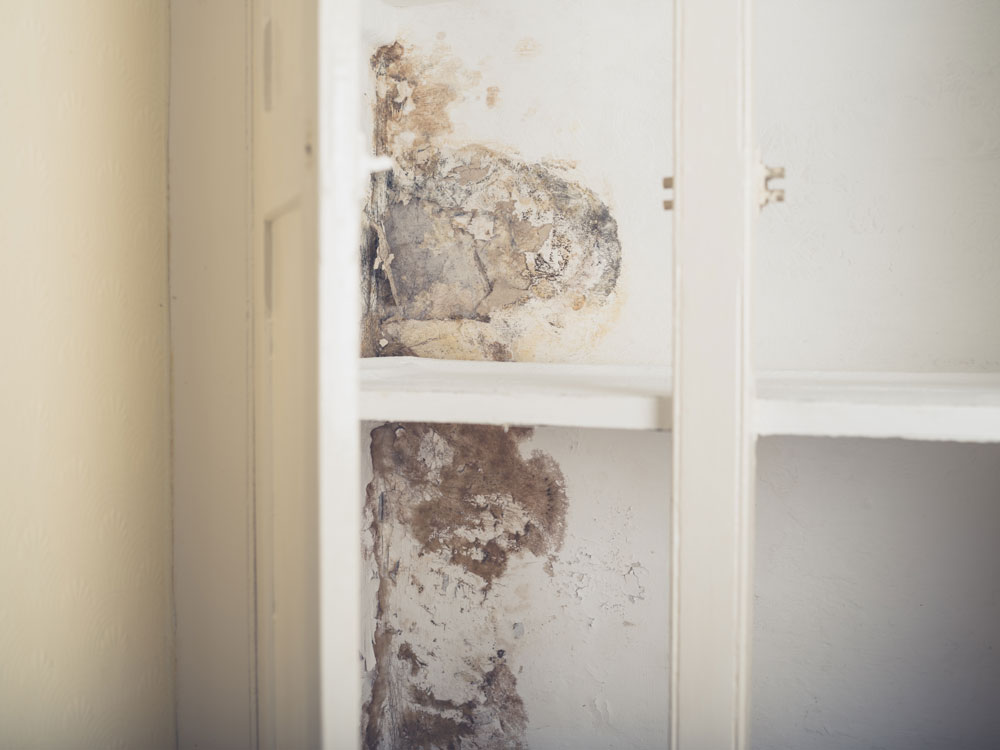
Closets are one of the most common places mold begins growing in homes across Cocoa and throughout Brevard County. Yet many homeowners rarely inspect closets closely unless they notice an odor or visible staining. Because closets are small, enclosed spaces with limited airflow, they can trap moisture easily — creating perfect conditions for mold growth.
In Florida’s humid climate, even homes without obvious leaks can develop closet mold problems. Moisture may build slowly, especially in rooms along exterior walls, eventually allowing mold to spread onto drywall, clothing, stored items, or shelving.
Understanding why mold forms in closets — and how to prevent it — helps Cocoa area property owners avoid damage to both their homes and personal belongings.
Why Mold Often Develops in Closets
Mold spores naturally exist in the air, both indoors and outdoors. Mold becomes a problem when spores land on surfaces that remain damp long enough for growth to begin.
Closets often provide ideal conditions for mold growth because they usually have:
- Limited airflow
- Closed doors most of the time
- Walls against exterior surfaces
- Stored items packed tightly together
- Little exposure to sunlight
- Higher humidity than open rooms
When moisture becomes trapped, surfaces inside closets stay damp longer than the rest of the home, allowing mold to develop quietly.
Homeowners often discover the problem only after noticing odors or damaged clothing.
Why Closet Mold Is Common in Cocoa and Brevard County Homes
Homes across Cocoa, West Cocoa, Port St. John, Sharpes, and Canaveral Groves face moisture challenges unique to Florida’s environment.
High Humidity Levels
Humidity remains elevated much of the year, even indoors. Closets with little airflow trap this moisture.
Coastal Moisture Influence
Even inland communities experience coastal humidity that increases moisture buildup inside homes.
Frequent Storm Activity
Heavy rain and hurricanes common to Brevard County sometimes allow moisture intrusion through roofs or walls.
Air Conditioning Effects
Air conditioning systems help reduce humidity, but uneven cooling sometimes leaves closets warmer and more humid than surrounding rooms.
Exterior Wall Exposure
Closets located along exterior walls are especially vulnerable to condensation buildup.
Because closets are rarely ventilated, moisture problems often go unnoticed.
Common Signs Mold May Be Growing in Closets
Closet mold problems usually start quietly, but homeowners may eventually notice warning signs.
Common signs include:
- Musty odors in closets
- Mold spots on walls or ceilings
- Mold on clothing, shoes, or boxes
- Damp or stale air inside closets
- Dark staining in corners or on shelves
- Warped drywall or peeling paint
- Mold forming on stored fabrics
- Repeated mold growth after cleaning
Sometimes homeowners only notice the smell when opening closet doors after being closed for long periods.
Odors often become stronger after humid weather or storms.
Hidden Causes of Closet Mold Growth
Several moisture sources commonly lead to mold growth inside closets.
Exterior Wall Condensation
Warm, humid air meeting cooler walls may create condensation inside closets.
Roof Leaks
Storm damage sometimes allows moisture to enter attic spaces and travel down walls.
Plumbing Leaks
Water lines in nearby bathrooms or kitchens sometimes leak inside walls.
HVAC Airflow Problems
Poor air circulation leaves closets warmer and more humid.
Stored Damp Items
Clothing or items stored while still damp introduce moisture.
Past Water Damage
Old leaks that were not fully dried may leave moisture trapped behind walls.
Because closets are enclosed spaces, moisture lingers longer.
Why Mold in Closets Often Spreads Quietly
Closets typically stay closed much of the time, so moisture problems remain hidden.
Mold growth often begins:
- Behind drywall
- Inside wall cavities
- Under shelving
- On clothing or stored fabrics
- In carpeted closet floors
By the time mold appears visibly, contamination behind surfaces may already be extensive.
Homeowners sometimes clean visible mold only to have it return weeks later because moisture remains.
How Closet Mold Can Affect the Rest of the Home
Many homeowners assume mold inside closets stays confined there. However, mold spores often spread into living spaces.
Mold spreads when:
- Closet doors are opened
- HVAC systems circulate air
- Clothing is moved into other rooms
- Airflow carries spores elsewhere
Once spores settle in other damp areas, new mold growth can begin.
Closet mold problems should therefore be addressed quickly.
Why DIY Mold Cleaning Often Fails
When homeowners find mold in closets, they often try cleaning it themselves. While this may temporarily improve appearance, the problem often returns.
Common DIY mistakes include:
- Cleaning visible mold but ignoring moisture sources
- Using bleach on porous drywall
- Painting over stained surfaces
- Leaving damp materials in place
- Ignoring hidden wall moisture
Bleach may remove stains but does not eliminate mold growing inside drywall or wood.
Unless moisture is corrected, mold usually comes back.
Professional Mold Inspection for Closet Problems
If mold continues returning or odors persist, professional inspection helps determine the extent of contamination.
Inspection typically includes:
Visual Inspection
Inspectors look for staining or moisture patterns.
Moisture Detection
Tools locate damp materials behind closet walls or ceilings.
Leak Source Investigation
Roof, plumbing, or exterior moisture sources are examined.
Air or Surface Testing (When Needed)
Testing may confirm mold presence or hidden contamination.
Inspectors familiar with Cocoa-area homes understand local humidity and moisture patterns affecting closets.
Proper Mold Remediation in Closets
When contamination extends beyond minor surface growth, remediation focuses on safe removal and moisture correction.
Typical remediation steps include:
Containment Setup
Closet areas may be sealed to prevent mold spread.
Removal of Damaged Materials
Wet drywall or insulation may need removal.
Cleaning and Treatment
Remaining surfaces are professionally cleaned.
Moisture Source Correction
Leaks or ventilation issues are corrected.
Drying and Prevention Measures
Closets are thoroughly dried before restoration.
The goal is preventing mold from returning.
How to Prevent Mold in Closets in Cocoa Homes
Preventive steps significantly reduce closet mold risks.
Helpful tips include:
- Leave closet doors open periodically for airflow
- Avoid overcrowding closets
- Keep stored items dry
- Use moisture absorbers if needed
- Run air conditioning consistently
- Monitor indoor humidity levels
- Repair leaks immediately
- Inspect closets after storms
- Keep items off exterior walls when possible
- Use small fans or ventilation improvements if needed
Routine checks help catch moisture problems early.
Why Local Mold Experience Matters
Homes throughout Cocoa, Cocoa Beach, West Cocoa, Port St. John, Sharpes, and Canaveral Groves differ in layout and exposure to moisture.
Local professionals understand:
- Florida humidity behavior
- Storm-related moisture intrusion risks
- Exterior wall condensation patterns
- Slab and crawl space moisture issues
- HVAC airflow challenges common locally
Companies like Cocoa Mold Removal regularly inspect homes across Brevard County and understand how local conditions influence mold growth without exaggerating risks.
Local experience helps homeowners get solutions suited to Florida homes.
A Practical Next Step for Property Owners
If closets in your home smell musty or show signs of moisture, it may be time to investigate further. Closet mold often signals hidden humidity or leak problems.
A professional evaluation can determine whether mold or moisture contamination exists and whether remediation or ventilation improvements are needed.
For Cocoa homeowners, routine closet inspections and quick action after leaks or storms help prevent mold problems while protecting clothing and stored belongings.
In Florida’s humid climate, managing closet moisture is an important part of keeping mold from spreading throughout the home.