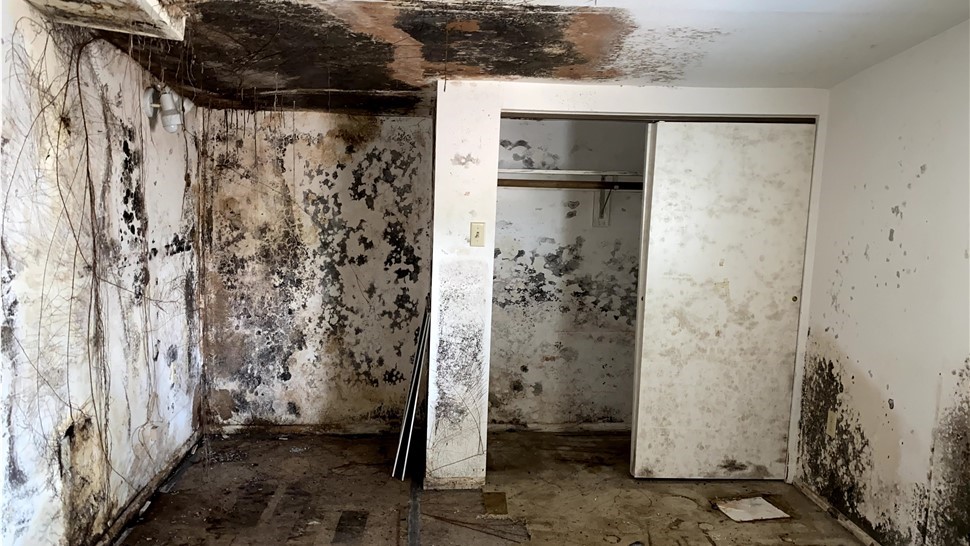
Mold Health Effects in West Cocoa: What Cocoa Area Property Owners Should Know
Property owners in West Cocoa often start asking about mold health effects after noticing a musty odor, recurring moisture issues, or visible mold that keeps coming back. In Brevard County’s humid climate, mold growth is common—but the impact it can have on daily comfort and indoor conditions depends largely on how much mold is present, where it’s growing, and whether moisture problems are ongoing.
Across West Cocoa, Cocoa, Cocoa Beach, Port St. John, Sharpes, and Canaveral Groves, concerns about mold and health are usually tied to indoor air quality and long-term moisture exposure, not a single dramatic event. Understanding how mold interacts with indoor environments helps property owners respond calmly, avoid unnecessary fear, and focus on practical solutions that improve indoor conditions.
This article explains how mold can affect indoor environments in West Cocoa homes, why certain buildings experience more issues than others, where mold exposure typically originates, and what property owners should know to reduce long-term concerns.
Why Mold Concerns Are Common in West Cocoa
West Cocoa properties experience many of the same environmental pressures found throughout Brevard County.
Local factors include:
- High humidity most of the year
- Frequent rain and seasonal storms
- Long cooling seasons with heavy AC use
- Slab foundations common to the area
- Slower indoor drying conditions
These conditions allow mold to grow quietly when moisture lingers. Over time, that growth can influence indoor comfort, odors, and air quality—prompting health-related concerns from occupants.
Mold and Indoor Environments: The Real Connection
Mold is a natural part of Florida’s outdoor environment. It becomes a concern indoors when moisture allows it to grow where it shouldn’t.
Indoor mold can:
- Contribute to musty or stale odors
- Affect how air feels or smells in certain rooms
- Signal hidden moisture problems
- Reduce overall indoor comfort
In West Cocoa homes, these effects are usually gradual. They often develop long before mold becomes visible.
Why Some Homes Have More Mold-Related Issues Than Others
Not all properties experience mold issues the same way.
Factors that increase indoor mold impact include:
- Poor airflow in certain rooms
- Closets and bedrooms with closed doors
- HVAC systems that cool but don’t dehumidify effectively
- Buildings with recurring moisture issues
- Past leaks that never fully dried
Homes with these conditions tend to experience stronger odors and more noticeable indoor changes over time.
Common Areas Where Mold Affects Indoor Conditions
Mold-related concerns usually originate from specific parts of the home.
Bedrooms
Bedrooms often develop mold-related issues because:
- Doors stay closed for long periods
- Air circulation is limited
- Exterior walls cool overnight
Mold may grow behind furniture, along baseboards, or inside closets, subtly affecting room comfort.
Closets
Closets are one of the most common sources of mold-related complaints.
Mold grows because:
- Air movement is minimal
- Moisture lingers longer
- Exterior walls cool at night
Closet mold often goes unnoticed until odors spread into adjacent rooms.
Bathrooms
Bathrooms introduce moisture daily.
Mold-related issues often appear:
- On ceilings
- Around exhaust fans
- In corners with poor ventilation
When moisture doesn’t clear quickly, indoor conditions can change noticeably.
HVAC Systems and AC Closets
HVAC systems play a major role in indoor air conditions.
Mold may develop:
- Inside air handlers
- On drain pans or drain lines
- On duct insulation
- Near supply vents
Because HVAC systems distribute air, mold here can influence multiple rooms at once.
Attics
Attics are a frequent hidden source.
Mold develops due to:
- Heat buildup
- Poor ventilation
- Humid air entering from living spaces
Attic mold can affect indoor conditions even when living areas appear clean.
Baseboards and Lower Walls
Slab-related moisture can support mold near floors.
Mold may appear:
- Along baseboards
- Behind lower drywall
- Under flooring
This often affects rooms closest to the ground level.
How Moisture Drives Mold-Related Concerns
Mold issues are always moisture issues first.
In West Cocoa, moisture commonly comes from:
- High indoor humidity
- Condensation on cool surfaces
- HVAC systems running constantly
- Minor leaks that go unnoticed
- Moisture migrating upward from slab foundations
When moisture persists, mold can grow and continue influencing indoor conditions over time.
Why Mold Concerns Often Appear Gradually
Mold-related issues rarely appear overnight.
This happens because:
- Mold grows out of sight
- Odors develop slowly
- Changes in air quality are subtle at first
- Seasonal humidity makes symptoms come and go
Many property owners only become concerned after patterns repeat.
Common Misunderstandings About Mold and Health
Mold discussions are often surrounded by confusion.
Common misconceptions include:
- All mold is immediately dangerous
- Mold problems are always visible
- Cleaning alone resolves the issue
- Mold only appears after flooding
In reality, mold-related concerns are about conditions and duration, not sudden exposure.
Why DIY Cleanup Doesn’t Address Health Concerns
DIY cleaning may remove visible mold, but it often doesn’t change indoor conditions.
DIY methods fail because:
- Hidden growth remains
- Moisture sources stay active
- HVAC-related issues are not addressed
- Humidity remains elevated
As a result, odors and comfort issues often return.
Mold Health Effects Are Tied to Indoor Conditions
Rather than focusing on labels or types, it’s more helpful to understand how mold affects indoor environments.
Ongoing mold growth can:
- Reduce perceived air freshness
- Create persistent odors
- Signal moisture issues affecting comfort
Addressing the environment—not just the mold—is what improves indoor conditions.
The Role of Slab Foundations in West Cocoa Homes
Most West Cocoa homes are built on slab foundations, which influence moisture behavior.
Slabs can:
- Absorb moisture from saturated soil
- Release moisture slowly into the home
- Keep lower walls and flooring damp
This moisture often contributes to mold growth near floors and baseboards, affecting indoor comfort in those areas.
When Professional Evaluation Is Helpful
Concerns about mold and indoor conditions often benefit from professional evaluation.
Evaluation helps:
- Identify moisture sources
- Locate hidden mold growth
- Assess HVAC involvement
- Clarify whether issues are localized or widespread
Many West Cocoa property owners work with experienced local providers like Cocoa Mold Removal because local climate knowledge is critical to accurate assessment.
Mold Testing and Health Concerns
Testing is not always necessary, but it can be useful in specific cases.
Testing may help when:
- Mold is suspected but not visible
- Multiple rooms are affected
- Documentation is needed
Testing results should always be interpreted alongside moisture and inspection findings.
Improving Indoor Conditions After Mold Issues
Improving indoor comfort focuses on moisture management.
Helpful steps include:
- Keeping indoor humidity below 55%
- Running AC consistently
- Using bathroom and kitchen exhaust fans
- Improving airflow in closets and bedrooms
- Maintaining HVAC systems
- Addressing small leaks promptly
These steps help stabilize indoor conditions long-term.
Prevention Is Key to Reducing Mold Concerns
Preventing mold-related issues is easier than fixing them later.
Prevention focuses on:
- Managing humidity
- Ensuring proper ventilation
- Monitoring high-risk areas
- Addressing moisture early
In Florida, prevention is ongoing—not a one-time task.
Why Local Experience Matters
Mold behavior in West Cocoa is shaped by:
- Brevard County humidity cycles
- Seasonal condensation patterns
- Slab foundation moisture behavior
- Common construction styles in the area
Local experience helps identify real causes and avoid unnecessary or ineffective solutions.
Documentation and Long-Term Property Value
Addressing mold-related concerns responsibly protects property value.
Documentation helps:
- Track maintenance history
- Support future inspections
- Reduce real estate surprises
- Demonstrate responsible ownership
Clear records provide confidence for owners and buyers alike.
A Practical Takeaway for Property Owners
Mold health concerns in West Cocoa are less about fear and more about understanding indoor conditions. Mold develops quietly from humidity, condensation, HVAC behavior, and hidden moisture—and those same factors influence how a home feels over time.
Property owners who focus on moisture control, accurate evaluation, and long-term prevention are far more successful at improving indoor comfort and reducing mold-related concerns. In West Cocoa and throughout the Cocoa area, addressing the environment—not just the visible mold—is the key to lasting results.