Mold FAQs in Port St. John: What Cocoa Area Property Owners Should Know
Mold is one of the most common, confusing, and stressful property issues facing homeowners, landlords, and investors in Port St. John. Between Florida’s humidity, frequent storms, long cooling seasons, and aging housing stock, mold questions come up constantly—and misinformation often makes things worse.
For Cocoa area property owners, understanding mold isn’t about panic. It’s about knowing what’s normal, what’s risky, what requires action, and what mistakes to avoid. This FAQ-style guide answers the questions property owners in Port St. John ask most often—clearly, practically, and with Florida’s climate in mind.
Is Mold Common in Port St. John Homes?
Yes—very common. Port St. John experiences:
- High year-round humidity
- Frequent rain and storm activity
- Long air-conditioning seasons
- Slab foundations that trap moisture
Mold spores are always present in the air. When moisture levels stay elevated, mold growth is not a matter of if, but when—especially in hidden areas.
Does Mold Always Mean There’s a Leak?
No. While leaks are a major cause, many mold problems in Port St. John are caused by humidity and condensation, not obvious water damage.
Common non-leak causes include:
- High indoor humidity over time
- Condensation on cold surfaces
- Poor ventilation
- HVAC drainage issues
- Vacant homes with AC turned off
Many serious mold cases develop without any visible leaks.
How Fast Does Mold Grow in Florida?
Mold can begin growing within 24–48 hours of moisture exposure. In Florida’s warm climate, growth can accelerate rapidly if drying is delayed.
That’s why:
- Small leaks become big problems fast
- Delayed response after storms is risky
- Humidity control is critical
Waiting “to see if it dries out” is one of the most common mistakes property owners make.
Where Does Mold Commonly Hide in Homes?
Mold often grows where you can’t see it.
Common hidden mold locations include:
- Behind drywall
- Under flooring
- Inside HVAC systems and air ducts
- Attics and crawl spaces
- Inside cabinets under sinks
- Closets on exterior walls
Visible mold is often just the tip of the iceberg.
If I Don’t See Mold, Could It Still Be There?
Yes. Many Port St. John mold problems are discovered only after:
- Persistent musty odors
- Health symptoms
- Renovations
- HVAC inspections
Mold behind walls or under floors can grow extensively before any surface signs appear.
What Does Mold Smell Like?
Mold often produces a musty, earthy, or damp odor. Not all mold smells strong—but persistent odors usually mean moisture is present somewhere.
Important rule:
👉 If you smell mustiness, assume moisture exists—even if you don’t see mold.
Air fresheners mask odors but do not fix the problem.
Is Mold Dangerous to Health?
Mold affects people differently. While not everyone reacts the same, mold exposure can impact indoor air quality and trigger symptoms.
Common symptoms include:
- Sneezing, congestion, and itchy eyes
- Persistent coughing
- Headaches and fatigue
- Worsening asthma
- Allergy-like symptoms indoors
Children, older adults, and people with asthma or immune issues are more sensitive.
A major red flag: symptoms improving when you leave the home.
Is Black Mold Always Toxic?
No. “Black mold” is a broad term, not a medical diagnosis.
Important facts:
- Not all black-colored mold is toxic
- Mold toxicity depends on species and conditions
- Color alone does not determine danger
Any mold growth indoors indicates a moisture problem that needs attention—regardless of color.
Can I Just Clean Mold With Bleach?
In most cases, no.
Bleach and household cleaners:
- May remove surface stains
- Do not penetrate porous materials
- Do not kill mold roots
- Can add moisture that feeds regrowth
In Port St. John’s climate, bleach cleanup often leads to recurring mold.
When Is DIY Mold Cleanup Acceptable?
DIY cleanup may be reasonable only when:
- Mold is very small (less than ~10 sq. ft.)
- Mold is on non-porous surfaces
- There is no underlying moisture issue
- Proper protective equipment is used
Even then, ongoing monitoring is essential.
DIY is not recommended for:
- Hidden mold
- HVAC or duct mold
- Mold after flooding
- Mold causing health symptoms
Why Does Mold Keep Coming Back After Cleaning?
Mold always returns when the moisture source isn’t fixed.
Common reasons for recurring mold:
- Hidden leaks
- High indoor humidity
- Condensation problems
- Inadequate ventilation
- Mold behind walls or floors
Cleaning without moisture control is temporary at best.
Can Mold Spread to Other Rooms?
Yes. Mold spreads through:
- Airborne spores
- HVAC systems
- Air movement from fans
- Construction gaps
DIY cleanup without containment can actually spread mold into previously clean areas.
Does Air Conditioning Prevent Mold?
Not always.
AC helps control humidity—but struggles when:
- Systems are oversized
- Drain lines are clogged
- Units short-cycle
- AC is turned off during vacancies
Many Port St. John homes have high humidity even with AC running.
What Is the Ideal Indoor Humidity Level?
For mold prevention:
- 30%–50% is ideal
- Above 60% supports mold growth
Hygrometers are inexpensive and extremely useful in Florida homes.
Why Are Vacant Homes at Higher Mold Risk?
Vacant homes are one of the most common mold disaster scenarios in Port St. John.
Common mistakes:
- Turning AC off completely
- Setting thermostats too high
- No inspections for weeks
- Storm moisture going unnoticed
Vacant homes can exceed 70% indoor humidity quickly—even with no leaks.
Does Home Insurance Cover Mold?
Sometimes—but with strict limits.
Insurance may cover mold only when:
- Mold results from a sudden covered water event
- The loss is reported promptly
- Drying begins immediately
Mold from long-term moisture or neglect is usually not covered.
Always check policy language—many policies cap mold coverage.
Can Mold Affect Property Value?
Yes. Mold can:
- Delay home sales
- Reduce buyer confidence
- Trigger inspection issues
- Increase repair costs
- Create disclosure obligations
Unresolved mold can become a financial liability.
What About Mold in Rental Properties?
Mold in rentals creates health, legal, and liability risks.
Landlords are typically responsible for:
- Fixing leaks and moisture issues
- Maintaining HVAC and ventilation
- Addressing conditions affecting habitability
Ignoring tenant mold complaints often leads to disputes.
Should I Test for Mold?
Testing can be helpful—but it’s not always the first step.
Testing is most useful when:
- Mold is hidden
- Health symptoms exist
- Disputes or insurance claims are involved
- Moisture sources are unclear
Testing alone does not fix mold—the moisture problem must be addressed.
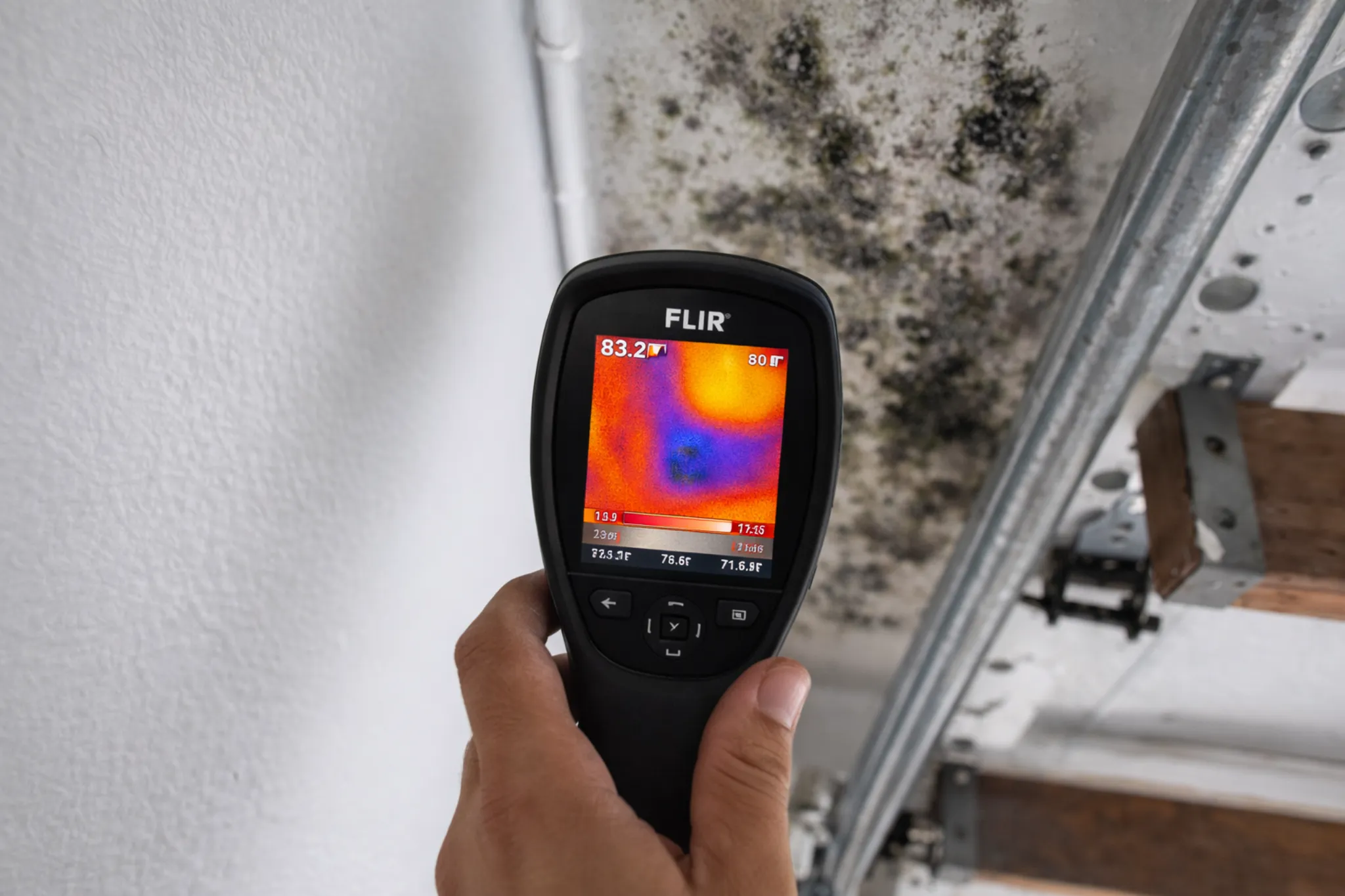
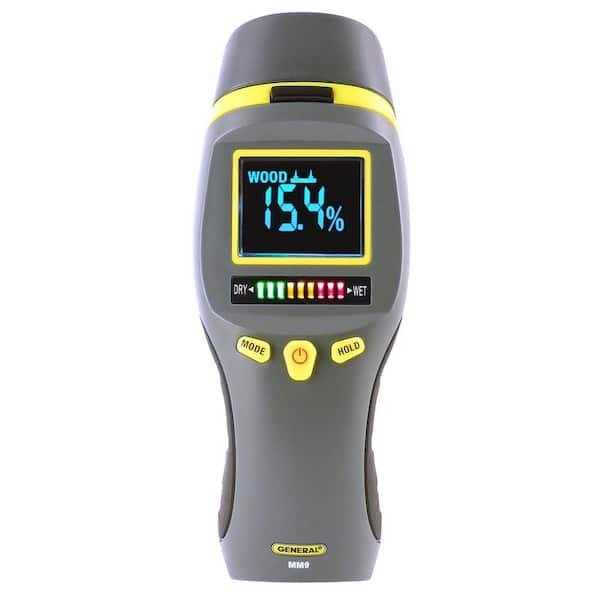
How Do Professionals Find Hidden Mold?
Professionals may use:
- Moisture meters
- Infrared thermal imaging
- Air and surface sampling
- HVAC inspections
These tools help locate problems without unnecessary demolition.
What Should I Do First If I Suspect Mold?
- Do not disturb visible mold
- Identify moisture sources
- Control humidity immediately
- Document odors, stains, or damage
- Avoid DIY demolition
- Seek professional guidance if needed
Early action limits damage and cost.
How Can I Prevent Mold Long-Term?
Effective prevention includes:
- Keeping indoor humidity below 50%
- Fixing leaks immediately
- Maintaining HVAC systems
- Using exhaust fans properly
- Inspecting after storms
- Monitoring high-risk areas
Consistency matters more than any single solution.
Is Mold a “Normal Florida Problem”?
Mold is common—but not normal or harmless.
Florida’s climate increases risk, but:
- Mold is preventable
- Recurring mold means moisture issues
- “Everyone has mold” is a myth
Ignoring mold always costs more later.
Final Thoughts for Cocoa Area Property Owners
Mold in Port St. John is common—but confusion about mold is even more common. Most mold problems aren’t caused by disasters. They’re caused by humidity, small leaks, delayed action, and misunderstandings about how mold works in Florida.
By understanding the most common mold questions—and the real answers behind them—Cocoa area property owners can avoid panic, prevent costly mistakes, and take smart, timely action when issues arise.
In a humid climate like Florida’s, knowledge is your strongest mold prevention tool.