Mold During Summer in Florida in Canaveral Groves: What Cocoa Area Property Owners Should Know
Summer in Florida is peak mold season, and property owners in Canaveral Groves feel it more than most. Long stretches of heat, extreme humidity, daily thunderstorms, and nonstop air-conditioning use create the perfect environment for mold to grow quickly and quietly. During summer, mold problems don’t usually come from dramatic events—they build steadily as moisture accumulates and drying conditions disappear.
In Canaveral Groves and across Brevard County, summer mold issues often catch property owners off guard because homes may look clean and undamaged on the surface. Meanwhile, moisture is working behind walls, under floors, and inside HVAC systems. Understanding how Florida summers affect homes, where mold typically develops, and what warning signs appear early helps property owners take action before problems spread.
Why Florida Summers Are Peak Mold Season
Florida summers combine three factors mold thrives on: heat, humidity, and moisture exposure. Outdoor humidity often stays above comfortable levels for weeks at a time, and afternoon rainstorms keep surfaces damp.
In Canaveral Groves, homes rarely get a chance to fully dry during summer. Even when rain stops, humidity remains high overnight. Materials such as drywall, wood, insulation, and flooring absorb moisture from the air and hold it.
Mold doesn’t need standing water. During summer, moisture in the air alone can be enough to support growth if airflow is limited and temperatures stay warm—which they almost always do.
High Humidity and Moisture Buildup Indoors
One of the biggest summer mold drivers is indoor humidity. When outdoor air is saturated, moisture easily enters homes through doors, windows, and small air leaks.
Air conditioning helps control humidity, but only when systems are running correctly and long enough. In summer, problems arise when:
- AC systems are oversized and short-cycle
- Homes are closed up during the day
- AC drain lines clog from heavy use
- Systems struggle during extreme heat
When humidity stays elevated indoors, mold can grow on walls, ceilings, furniture, and inside hidden spaces without any leaks at all.
Summer Rainstorms and Hidden Water Intrusion
Florida summer storms are frequent and intense. Wind-driven rain forces water into small gaps around roofs, windows, doors, and exterior walls.
In Canaveral Groves homes, summer rain intrusion often occurs:
- Around roof flashing and vents
- At window and door frames
- Through aging caulk or seals
- Along exterior wall penetrations
This water rarely pours in visibly. Instead, it seeps into wall cavities and insulation, where it stays damp long after storms pass. Mold can begin growing days or weeks before any surface damage appears.
Attic Mold During Florida Summers
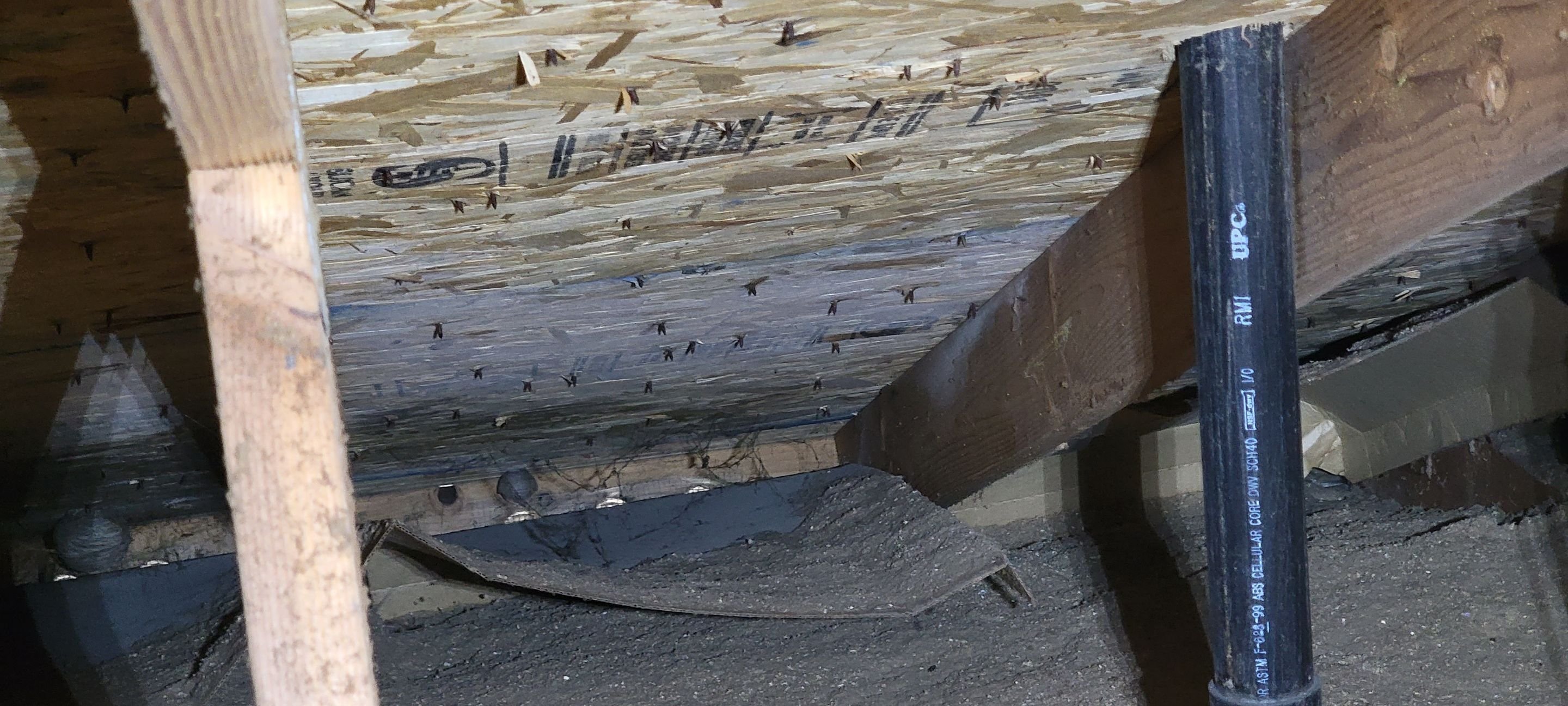
Attics are one of the most common summer mold locations. During summer, attic temperatures soar while humidity remains high.
When moisture enters through roof leaks, humid air intrusion, or poor ventilation, attic materials struggle to dry. Mold can grow on roof decking, trusses, and insulation even without obvious leaks.
In Canaveral Groves, attic mold often develops quietly and spreads before homeowners notice musty odors or ceiling discoloration below.
AC Condensation Problems Peak in Summer
Air conditioners remove large amounts of moisture during summer, which means condensation is constant. When drainage or airflow is compromised, that moisture becomes a mold source.
Common summer AC-related mold areas include:
- Inside air handlers
- Drain pans and drain lines
- Ductwork in hot attics
- Ceilings below AC components
- Around supply vents
Mold odors that worsen when the AC runs are especially common during summer months.
Slab Moisture and Summer Mold
Many Canaveral Groves homes sit on slab foundations. During summer, heavy rain saturates the ground, increasing moisture pressure beneath slabs.
Concrete allows moisture vapor to move upward. When soil stays wet for long periods, moisture migrates into flooring, baseboards, and lower walls.
Summer slab-related mold often appears as:
- Musty odors near floors
- Dark grout lines
- Swollen baseboards
- Mold recurring at wall bottoms
These issues often persist long after rainy periods end.
Closets, Cabinets, and Low-Airflow Areas
Summer mold loves enclosed spaces. Closets, cabinets, pantries, and storage areas become mold hotspots during Florida summers.
These spaces stay closed, receive little airflow, and trap humidity. When warm, humid air meets cooler interior surfaces, condensation forms.
In Canaveral Groves homes, summer mold commonly develops:
- On closet walls and ceilings
- Behind clothing or stored items
- Inside cabinets under sinks
- In pantry corners
Musty odors when opening doors are often the first warning sign.
Vacation and Vacancy Increase Summer Mold Risk
Summer travel increases mold risk dramatically. When homes are left vacant with AC turned off or set too high, humidity rises quickly.
In Florida, summer humidity can cause mold growth in vacant homes within weeks. Closets, laundry rooms, bathrooms, and attics are especially vulnerable.
Maintaining basic climate control during summer vacancies is critical to preventing mold.
Why Summer Mold Is Often Missed Early
Summer mold problems develop quietly. Many homeowners assume summer dampness, odors, or condensation are normal seasonal conditions.
Common delays happen because:
- Mold is hidden behind walls or floors
- Odors are mistaken for humidity
- Surfaces dry temporarily between storms
- Homeowners expect problems only after flooding
By the time visible mold appears, moisture issues have usually been active for some time.
Early Warning Signs During Florida Summers
Property owners in Canaveral Groves should watch closely for summer-specific warning signs.
Key indicators include:
- Musty or earthy odors during hot weather
- Condensation on vents or walls
- Stains appearing after storms
- Rooms that feel damp despite AC use
- Mold returning repeatedly in the same spots
These signs mean moisture is present and mold conditions are developing.
Why DIY Mold Cleanup Fails in Summer
DIY mold cleanup is especially ineffective during summer. High humidity prevents surfaces from fully drying, allowing mold to return quickly.
DIY efforts fail because:
- Moisture sources remain active
- Hidden mold is untouched
- Cleaning adds moisture
- Spores spread during scrubbing
Without controlling humidity and moisture pathways, cleaning alone does not stop summer mold.
Professional Mold Inspections During Summer
Professional inspections during summer focus on moisture behavior, not just visible mold. Inspectors look for elevated humidity, damp materials, and active intrusion points.
Inspections may include:
- Moisture testing of walls and floors
- Attic evaluations
- HVAC condensation assessment
- Exterior envelope checks
- Slab and baseboard moisture mapping
Summer inspections often catch problems early, before widespread damage occurs.
Proper Mold Remediation During Florida Summers
Remediation during summer must address both mold and moisture. Drying is more challenging due to high humidity and often requires controlled dehumidification.
Effective remediation may involve:
- Containment to prevent spore spread
- Removal of contaminated materials
- Mechanical drying and dehumidification
- Correction of leaks or condensation
- Verification that humidity is controlled
Local providers like Cocoa Mold Removal understand how Florida summer conditions affect drying and remediation timelines.
Preventing Mold During Summer in Canaveral Groves
Prevention is most effective when focused on moisture control throughout summer.
Key prevention steps include:
- Running AC consistently
- Monitoring indoor humidity
- Keeping drain lines clear
- Inspecting attics after storms
- Using exhaust fans properly
- Addressing odors immediately
Homes should never be allowed to sit hot and humid for long periods during summer.
Why Local Canaveral Groves Experience Matters
Summer mold behaves differently in Florida than in other regions. Local experience matters because Canaveral Groves homes face intense humidity, daily storms, slab foundations, and heavy AC use.
Professionals familiar with Brevard County know where summer moisture typically accumulates and how mold spreads under these conditions. This leads to faster identification and more effective long-term solutions.
Property owners in Canaveral Groves, Cocoa, Cocoa Beach, West Cocoa, Port St. John, and Sharpes benefit from working with professionals who regularly address summer mold issues in this region.
A Practical, Summer-Focused Approach for Property Owners
Mold during summer in Canaveral Groves is common—but it’s not unavoidable. Most problems start small and grow when moisture is allowed to linger.
Paying attention to early signs, maintaining humidity control, and investigating moisture promptly prevents seasonal issues from becoming long-term damage. The key is treating summer moisture as an ongoing condition, not a temporary inconvenience.
For property owners seeking clarity and long-term protection, a knowledgeable local provider like Cocoa Mold Removal can help identify summer-specific mold risks, evaluate hidden moisture, and guide proper remediation—keeping Canaveral Groves homes drier, healthier, and more resilient through Florida’s most challenging season.