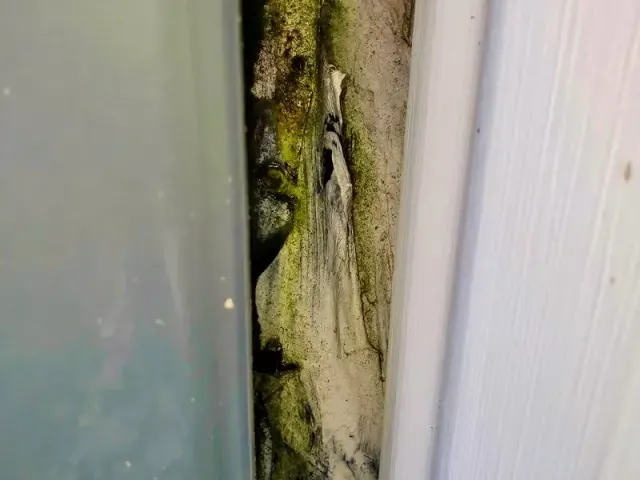
Mold During Home Buying Inspections in Cocoa: What Cocoa Area Property Owners Should Know
Buying a home in Cocoa is exciting—but the inspection phase can quickly become stressful when mold is mentioned in the report. For many buyers and sellers alike, mold findings raise immediate questions about the home’s condition, future costs, and whether the deal is still on solid ground.
In Cocoa, Cocoa Beach, West Cocoa, Port St. John, Sharpes, and Canaveral Groves, mold concerns during home buying inspections are common due to Florida’s climate. High humidity, frequent rain, slab foundations, and year-round air conditioning create ideal conditions for moisture to linger—sometimes without obvious warning signs.
This article explains how mold is typically discovered during home buying inspections in Cocoa, what inspectors are actually looking for, how buyers interpret these findings, and what property owners should understand to move forward confidently.
Why Mold Comes Up So Often During Inspections in Cocoa
Mold doesn’t suddenly appear because a home is being inspected. What changes is the level of scrutiny.
During a buyer’s inspection, professionals are actively looking for:
- Moisture intrusion
- Signs of past water damage
- Musty odors
- Staining or discoloration
- Conditions that allow mold to grow
In Cocoa, inspectors expect to see some moisture-related wear. What raises concern is evidence that moisture is ongoing, unmanaged, or hidden.
How Inspectors Identify Mold-Related Concerns
Home inspectors typically do not perform full mold testing, but they are trained to identify conditions consistent with mold growth.
They may note:
- Visible mold-like growth
- Water stains on ceilings or walls
- Elevated moisture readings
- Poor ventilation in bathrooms or laundry rooms
- Attic discoloration or fungal growth
- Musty odors
These observations often lead buyers to request further evaluation before proceeding.
Common Areas Where Mold Is Found During Cocoa Inspections
Certain areas consistently draw attention during inspections.
Attics
Attic mold is one of the most frequent findings. In Cocoa homes, it’s often related to:
- Poor ventilation
- Roof leaks during heavy rain
- Heat buildup combined with humidity
Even small areas of attic mold can raise concerns because buyers worry about roof integrity and long-term moisture issues.
Bathrooms and Laundry Rooms
Inspectors pay close attention to these rooms because they generate moisture daily. Mold or staining here may suggest ventilation problems that affect other parts of the home.
Closets and Bedrooms
Mold or musty odors in living spaces are more concerning than in utility areas. These findings often point to:
- High indoor humidity
- Poor airflow
- Slab moisture affecting lower walls
Around HVAC Systems
Air handlers, vents, and nearby surfaces are frequently checked. Mold near HVAC components raises questions about condensation, ductwork moisture, and whether spores are being distributed throughout the home.
Mold vs. Moisture: What Buyers Really React To
Most buyers understand that mold can occur in Florida. What they react to is uncertainty about moisture.
Buyers typically ask:
- Why did mold form here?
- Is the moisture source fixed?
- Could this spread or come back?
- Will repairs be ongoing?
During Cocoa home inspections, moisture history matters more than the presence of mold alone.
What Happens After Mold Is Mentioned in an Inspection Report
Once mold-related concerns appear in a report, several things may happen:
- Buyers request a mold inspection or moisture evaluation
- Sellers are asked to address the issue before closing
- Price negotiations or credits are discussed
- Closing timelines may be adjusted
The outcome often depends on how clearly the issue can be explained and whether moisture appears controlled.
Why Cosmetic Fixes Often Fail Inspections
Some sellers attempt to address mold concerns quickly by cleaning or painting. Inspectors often see through this.
Cosmetic fixes can:
- Fail moisture readings
- Leave odors behind
- Appear as concealment
- Trigger deeper inspections
In Cocoa, inspectors are familiar with Florida mold patterns and often recognize when repairs don’t match underlying conditions.
The Role of Musty Odors During Buyer Walkthroughs
Odor is one of the strongest signals during a home buying inspection.
Musty smells:
- Suggest hidden mold
- Raise concern even without visible growth
- Influence buyer perception immediately
Even if mold has been cleaned, lingering odors can cause buyers to assume moisture problems still exist.
Slab Foundations and Inspection Findings
Many homes in Cocoa are built on slab foundations, which inspectors consider when mold is found near floors or baseboards.
Slabs can:
- Absorb moisture from the soil
- Release moisture into walls and flooring
- Keep materials slightly damp
Inspectors may note these conditions and recommend further evaluation if moisture readings are elevated.
What Buyers Usually Ask Sellers to Do
When mold is noted during inspection, buyers often request:
- Professional evaluation
- Moisture source identification
- Proper mold remediation if needed
- Documentation of repairs
- Confirmation that conditions are stable
Clear responses to these requests often keep the transaction moving forward.
Why Documentation Makes a Big Difference
Documentation changes the conversation.
Helpful documents include:
- Inspection findings
- Moisture assessments
- Remediation summaries
- Post-remediation checks
When sellers can show that an issue was addressed properly, buyer confidence usually improves.
Mold That Doesn’t Usually Stop a Sale
Not all mold findings derail transactions.
Sales often proceed when:
- Mold is minor and isolated
- Moisture source is identified and corrected
- No widespread damage is present
- Conditions are dry and stable
In these cases, mold becomes a manageable item, not a deal breaker.
Mold That Can Delay or Stop a Sale
Transactions are more likely to stall when:
- Mold appears in multiple areas
- Moisture source is unknown
- Odors persist
- Repairs appear cosmetic
- Sellers can’t explain the issue
Uncertainty—not mold itself—is what causes deals to fall apart.
Why Local Experience Matters During Cocoa Inspections
Mold behavior in Cocoa is shaped by:
- High humidity
- Frequent storms
- Slab construction
- Year-round AC use
Local professionals understand what inspectors, buyers, and agents expect in Florida homes. Many property owners rely on experienced local providers like Cocoa Mold Removal to evaluate mold concerns realistically and explain findings in a way that aligns with local inspection standards.
Steps Sellers Can Take Before Listing
To reduce mold-related issues during inspections:
- Inspect attics and HVAC systems
- Address musty odors early
- Fix known leaks promptly
- Control indoor humidity below 55%
- Avoid painting over stains
- Document any past remediation
Preparation often prevents last-minute surprises.
Steps Buyers Can Take When Mold Is Found
Buyers should:
- Ask questions about moisture sources
- Request professional evaluation if needed
- Avoid assumptions based on appearance alone
- Focus on whether conditions are stable
Understanding Florida mold behavior helps buyers make informed decisions without unnecessary alarm.
Why Early Evaluation Helps Everyone
When mold concerns are evaluated early:
- Sellers avoid rushed repairs
- Buyers gain clarity
- Negotiations stay reasonable
- Closings are less likely to be delayed
Early clarity benefits both sides of the transaction.
A Practical Takeaway for Property Owners
Mold during home buying inspections in Cocoa is common—but it doesn’t have to derail a purchase or sale. What matters most is how the issue is handled, not simply that it exists.
When moisture sources are identified, addressed, and documented, mold findings often become manageable inspection items rather than deal breakers. In Cocoa’s climate, preparation, transparency, and local expertise are the keys to keeping home buying inspections on track.