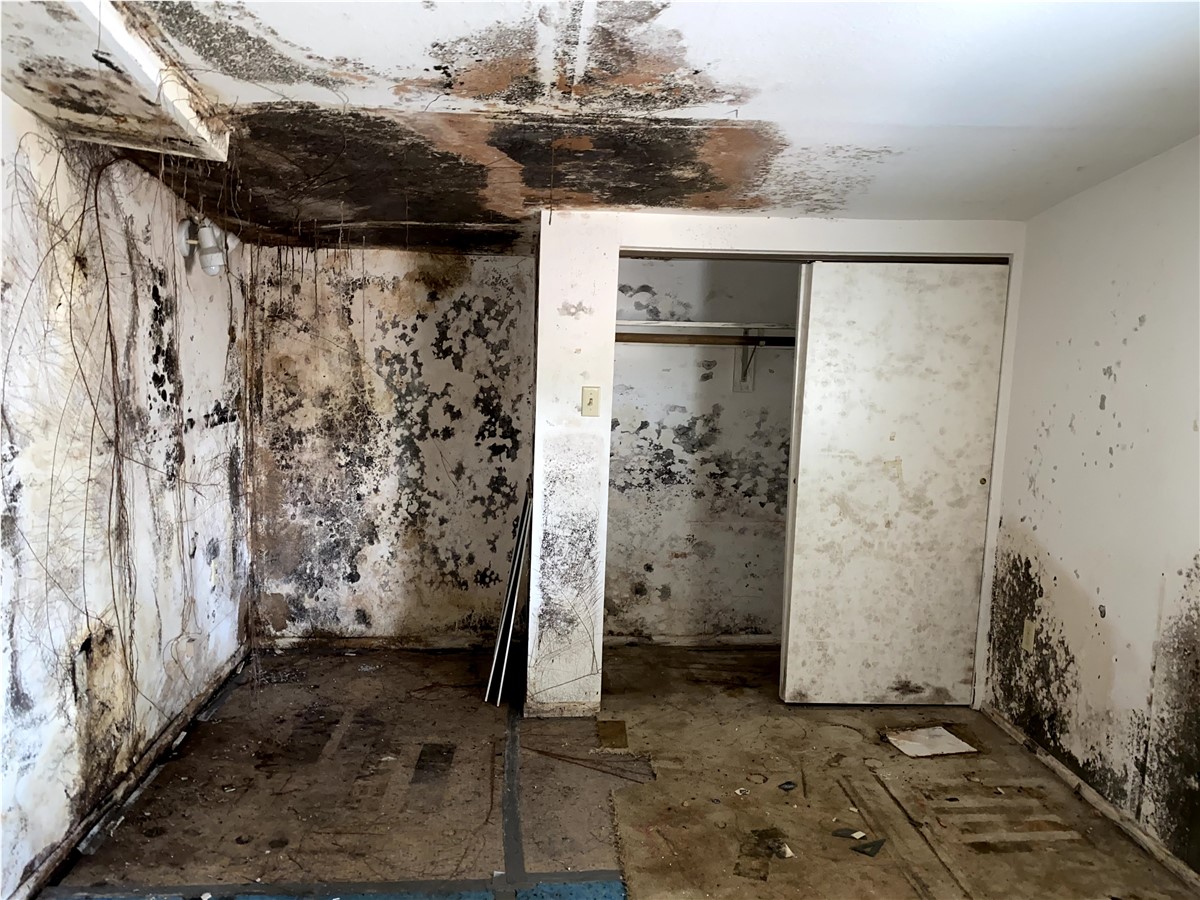
Mold Clearance Testing in Brevard County: What Cocoa Area Property Owners Should Know
After mold work is completed, many Brevard County property owners ask the same question: “How do I know it actually worked?” That’s where mold clearance testing comes in. Clearance testing isn’t about fear or technical jargon—it’s about verification. In Florida’s humid climate, simply removing visible mold doesn’t guarantee conditions are safe or stable long term.
For homeowners, landlords, and property managers across Cocoa, Cocoa Beach, West Cocoa, Port St. John, Sharpes, and Canaveral Groves, understanding mold clearance testing helps ensure that remediation was done correctly and that moisture conditions no longer support regrowth. It’s the final step that brings confidence and closure.
What Mold Clearance Testing Is (in Plain Terms)
Mold clearance testing is a post-remediation evaluation used to confirm that mold-affected areas have been properly addressed and that indoor conditions are back to normal.
Clearance testing helps determine:
- Whether mold levels are consistent with typical indoor environments
- Whether remediation removed contaminated materials effectively
- Whether moisture conditions are stable
- Whether it’s safe to rebuild or reoccupy affected areas
It’s not about proving a home is “mold-free”—that’s unrealistic anywhere. It’s about confirming that abnormal mold conditions are no longer present.
What Mold Clearance Testing Is Not
Just as important is understanding what clearance testing does not do.
Clearance testing:
- Does not guarantee mold will never return
- Does not replace fixing moisture problems
- Does not diagnose health conditions
- Does not mean zero mold spores
Mold spores exist naturally in outdoor air and enter homes daily. Clearance testing confirms that indoor conditions are not elevated due to indoor growth.
Why Clearance Testing Matters in Brevard County
Brevard County’s environment makes verification especially important.
Local conditions include:
- High year-round humidity
- Frequent rain and storms
- Slab foundations that trap moisture
- Long cooling seasons with constant AC use
Because moisture pressure is ongoing, mold can return if remediation or drying wasn’t thorough. Clearance testing provides reassurance that the work addressed both mold and moisture.
When Mold Clearance Testing Is Typically Performed
Clearance testing is done after remediation, not before or during.
It’s commonly performed:
- After professional mold remediation
- Before rebuilding drywall, flooring, or cabinetry
- Before reoccupying affected areas
- After water damage drying when mold was present
- When documentation is needed
Testing too early—before materials are dry or containment is removed—can produce misleading results.
Step 1: Visual Clearance Inspection
Before any testing occurs, a visual inspection is performed.
This includes checking:
- That mold-affected materials were removed
- That remaining surfaces are clean
- That no visible mold or staining remains
- That dust and debris from remediation are gone
If visible issues remain, testing is usually postponed until they’re corrected.
Step 2: Moisture and Humidity Verification
Moisture control is the foundation of successful mold work.
Before clearance testing, inspectors often verify:
- Wall and floor moisture levels
- Dryness of previously wet materials
- Indoor humidity levels
- Absence of active leaks or condensation
In Brevard County homes, clearance testing without moisture verification often leads to false confidence—and later recurrence.
Step 3: Air Sampling for Clearance
Air sampling is the most common form of clearance testing.
Air samples:
- Measure airborne mold spore levels
- Are compared to outdoor or baseline samples
- Help identify whether indoor air reflects normal conditions
Samples are collected using calibrated equipment and sent to a laboratory for analysis.
Clearance air samples should be taken after containment is removed and normal airflow has returned.
Step 4: Surface Sampling (When Needed)
Surface sampling isn’t always required, but it may be used when:
- Visible mold was extensive
- Certain materials were cleaned instead of removed
- Confirmation of surface cleanliness is needed
Surface samples confirm that remaining materials are free from active mold growth.
How Clearance Results Are Interpreted
Clearance testing results are interpreted in context.
Results are evaluated based on:
- Indoor vs outdoor spore comparisons
- Types of mold spores present
- Consistency across sampled areas
- Inspection and moisture findings
There is no universal “pass/fail” number. Results should make sense for the building and environment.
Why Clearance Testing Can Fail
A clearance test may not meet expectations if:
- Materials weren’t fully dried
- Hidden moisture remains
- Remediation missed contaminated areas
- HVAC systems were involved but not addressed
- Testing was done too soon
A failed clearance doesn’t mean everything was done wrong—it means something still needs attention.
HVAC Systems and Clearance Testing
HVAC systems play a major role in clearance outcomes.
If mold affected:
- Air handlers
- Drain pans
- Coils
- Duct insulation
Then clearance testing often includes air sampling near vents or returns. If HVAC moisture issues remain, clearance results may reflect ongoing spore distribution.
Clearance Testing After DIY Mold Work
Some property owners request clearance testing after DIY cleanup.
In these cases, clearance testing can:
- Confirm whether conditions are normal
- Reveal hidden or unresolved issues
- Provide documentation
However, DIY work often fails clearance when moisture sources weren’t fully addressed.
Clearance Testing in Real Estate Transactions
Clearance testing is frequently requested during buying or selling.
It helps:
- Document that mold remediation was successful
- Provide reassurance to buyers
- Support disclosure transparency
In Brevard County, clearance testing can prevent delays or disputes when mold issues were previously disclosed.
Why Clearance Testing Is Different From Initial Mold Testing
Initial mold testing identifies whether a problem exists.
Clearance testing verifies that a problem was resolved.
They serve different purposes:
- Initial testing = investigation
- Clearance testing = confirmation
Using the right test at the right time matters.
What Clearance Testing Does Not Replace
Clearance testing does not replace:
- Proper remediation
- Moisture control
- Ongoing prevention
A successful clearance means conditions are acceptable at the time of testing, not that future moisture issues won’t occur.
Preventing Mold After Clearance
After passing clearance, prevention becomes the priority.
Key steps include:
- Keeping indoor humidity below ~55%
- Maintaining HVAC systems
- Fixing leaks promptly
- Monitoring previously affected areas
- Inspecting after storms or water events
In Florida, prevention is ongoing—not one-time.
Why Local Brevard County Experience Matters
Clearance testing interpretation depends on climate, construction, and season. Brevard County’s humidity, storms, slab foundations, and coastal influence affect normal mold levels.
Professionals familiar with local conditions understand how to interpret clearance results realistically. Cocoa Mold Removal brings this local perspective, helping property owners understand whether results truly reflect a successful outcome.
A Practical Takeaway for Property Owners
Mold clearance testing is about confidence—not fear. It verifies that remediation worked, moisture is under control, and indoor conditions are back to normal.
In Brevard County’s moisture-heavy environment, clearance testing provides peace of mind after mold work and helps protect your investment. When used correctly and at the right time, it’s the final step that turns remediation into a completed solution—not a lingering question.
Relevant Images for This Article