Mold During Home Sales in West Cocoa: What Cocoa Area Property Owners Should Know
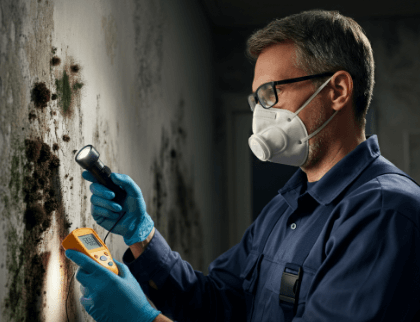
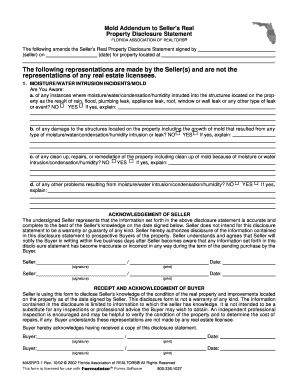
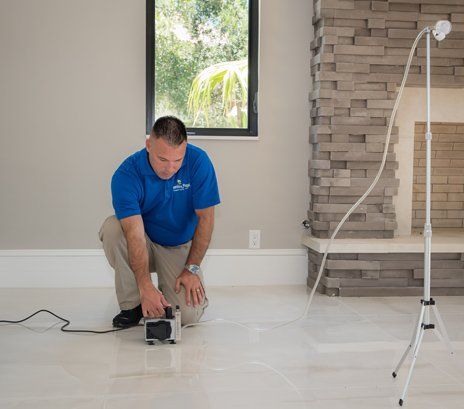
Selling a home in West Cocoa can already feel stressful, and discovering mold during the process often makes things more complicated. Mold issues frequently come up during home sales in Brevard County, especially during inspections, buyer walk-throughs, or insurance reviews. How mold is handled during a sale can directly affect pricing, timelines, and whether the deal moves forward at all.
Understanding how mold impacts home sales helps Cocoa-area property owners avoid surprises and protect their transaction.
Why Mold Commonly Appears During Home Sales
Many homes in West Cocoa are lived in for years without major renovations. Over time, small moisture issues can go unnoticed. During a sale, inspections are more thorough than everyday living, which is why mold is often discovered at this stage.
Common triggers include:
- Roof or plumbing leaks that were never visible
- High indoor humidity
- Past water damage
- AC condensation issues
- Poor ventilation in bathrooms or laundry areas
Even minor mold can become a negotiation issue once it’s documented.
How Home Inspectors Handle Mold Concerns
Most general home inspectors do not diagnose mold, but they are trained to flag conditions that suggest a mold risk.
Inspectors may note:
- Visible mold-like growth
- Musty odors
- Water staining or discoloration
- Elevated moisture readings
- Poor ventilation or drainage issues
Once flagged, buyers often request further evaluation by a mold professional.
Buyer Reactions to Mold Findings
Buyers tend to react strongly to mold, even when the issue is limited.
Common buyer responses include:
- Requesting mold inspections or testing
- Asking for remediation before closing
- Renegotiating the sale price
- Delaying the closing date
- Walking away from the deal entirely
Fear of hidden damage or future costs often drives these reactions.
Mold Inspections During the Sales Process
When mold is suspected, buyers may request a dedicated mold inspection. This inspection focuses on:
- Identifying mold presence
- Locating moisture sources
- Determining whether growth is active or historic
- Evaluating indoor air quality
Inspection results often determine the next steps in the transaction.
Disclosure Requirements for Sellers
In Florida, sellers are generally required to disclose known material defects that affect property value or safety. Mold and water damage often fall into this category.
Failure to disclose known mold issues can:
- Lead to post-sale disputes
- Result in legal action
- Damage seller credibility
- Delay or cancel closings
Honest disclosure combined with documentation is usually the safest approach.
How Improper Mold Handling Can Kill a Sale
Quick cosmetic fixes—such as painting over mold or masking odors—often backfire during inspections. These actions raise red flags and reduce buyer trust.
Improper handling can lead to:
- Failed inspections
- Demands for large credits
- Additional testing requests
- Buyer withdrawal
Buyers prefer transparency over surprises.
Benefits of Addressing Mold Before Listing
Addressing mold issues before listing a home provides sellers with more control.
Benefits include:
- Fewer inspection surprises
- Stronger negotiating position
- Faster closings
- Reduced buyer fear
- Clear documentation of repairs
Pre-listing inspections can help sellers identify and address problems early.
Mold Remediation During an Active Sale
If mold is discovered during an active sale, timing becomes critical.
Key considerations include:
- Coordinating remediation without delaying closing
- Providing buyers with inspection and remediation reports
- Allowing clearance testing when requested
- Ensuring moisture sources are corrected
Proper coordination helps keep the transaction moving forward.
Clearance Testing and Buyer Confidence
Buyers often request clearance testing after remediation to confirm mold was properly addressed.
Clearance testing helps:
- Prove remediation was successful
- Reduce buyer anxiety
- Satisfy lender or insurer requirements
- Support final approval to close
Documentation from clearance testing can be the difference between closing and cancellation.
Pricing and Negotiation Impacts
Mold issues often affect pricing in one of three ways:
- Seller completes remediation at full cost
- Buyer receives a credit at closing
- Sale price is reduced to reflect repair costs
Homes with unresolved mold typically face steeper price reductions.
Mold and Financing Delays
Lenders may require mold issues to be addressed before approving financing. Unresolved mold can:
- Delay loan approval
- Trigger additional inspections
- Increase insurance scrutiny
Handling mold properly helps avoid financing obstacles.
Protecting Your Sale in West Cocoa
Sellers in West Cocoa can protect their home sale by:
- Addressing moisture issues early
- Avoiding cosmetic cover-ups
- Providing honest disclosures
- Keeping inspection and remediation records
- Allowing proper verification after repairs
Preparation reduces stress and strengthens the sale.
Final Thoughts for West Cocoa Home Sellers
Mold during a home sale does not automatically mean a deal will fall apart—but ignoring or mishandling it often does. In West Cocoa’s humid environment, buyers expect moisture-related issues to be handled professionally.
By understanding how mold affects home sales and responding correctly, Cocoa-area property owners can protect their sale price, reduce delays, and move confidently toward closing.