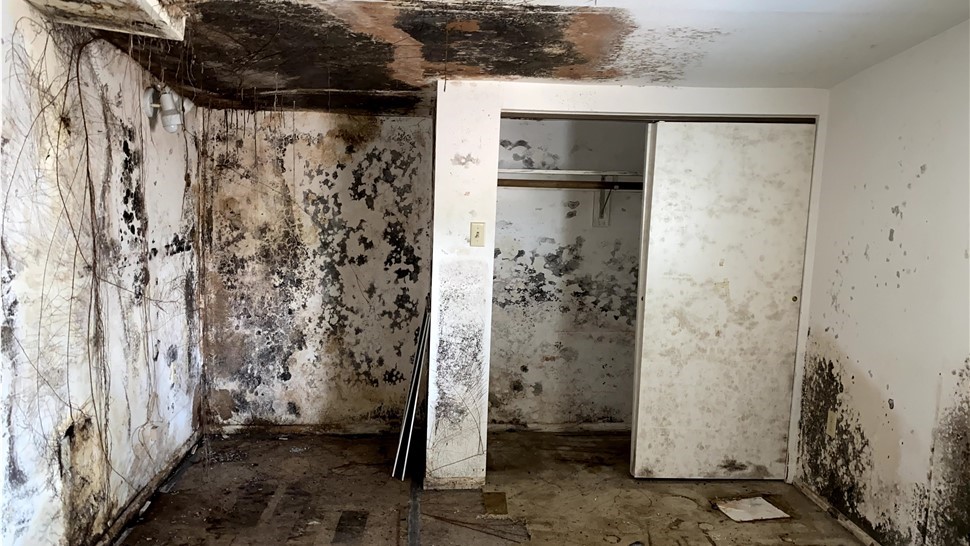
Mold and Insurance Claims in West Cocoa: What Cocoa Area Property Owners Should Know
Mold and insurance claims don’t always get along. If you own property in West Cocoa, you’ve probably heard a dozen different opinions about whether insurance covers mold, when to file a claim, and what might accidentally get denied. Some of those opinions help. Others cause real problems.
I’ve seen property owners wait too long because they assumed mold was never covered. I’ve also seen people file claims immediately without understanding what insurance actually looks for. Both approaches can backfire. In West Cocoa, where humidity, storms, and aging homes all mix together, mold claims need a little strategy and a lot of clarity.
Let’s walk through how mold and insurance claims usually work in the real world, what matters most, and how to avoid common mistakes.
How Mold and Insurance Coverage Are Connected
Insurance doesn’t usually cover mold just because mold exists. That’s the first thing to understand. Coverage typically depends on what caused the mold, not the mold itself.
In many West Cocoa cases, insurance looks at:
- Sudden plumbing leaks
- Burst pipes
- Storm-related water intrusion
- Appliance failures
- AC drain or condensation problems
If mold grows as a direct result of a covered water event, insurance may cover part of the cleanup. If mold develops slowly from long-term moisture or neglect, coverage usually becomes limited or denied.
Why Mold Claims Come Up So Often in West Cocoa
West Cocoa homes face a few challenges that make mold claims more common.
Heavy Rain and Storm Activity
West Cocoa sees its share of storms and heavy rain. Wind-driven rain can enter through roofs, windows, or exterior walls. If water damage isn’t noticed right away, mold can follow quickly.
Older Construction and Plumbing
Many West Cocoa properties have older plumbing systems. Small failures can cause water damage inside walls or under floors before anyone realizes there’s a problem.
High Humidity Year-Round
Humidity doesn’t need a dramatic event to cause trouble. It quietly worsens water damage and slows drying time, which gives mold a head start.
Common Mold Scenarios That Lead to Insurance Claims
Certain situations show up again and again in claims.
Sudden Plumbing Leaks
A burst pipe or failed connection that floods part of the home often triggers insurance coverage. Mold that forms afterward may be included if addressed promptly.
Appliance Failures
Dishwashers, washing machines, and water heaters can leak suddenly. When water spreads beneath flooring or into walls, mold can follow.
Storm Damage
Roof damage from storms can allow water intrusion. If documented early, resulting mold may fall under coverage.
AC Drain Backups
Clogged AC drains can overflow and cause water damage. In Florida homes, this happens more often than people expect.
Where Insurance Often Draws the Line
This is where frustration usually starts.
Insurance companies often deny mold claims when:
- Moisture issues existed for a long time
- Leaks weren’t repaired promptly
- Mold resulted from poor maintenance
- Humidity alone caused the problem
From an insurance perspective, mold caused by gradual issues falls under maintenance, not sudden damage. That distinction matters a lot.
Why Timing Matters More Than People Realize
Timing plays a huge role in mold claims.
Delays can hurt claims because:
- Water damage worsens
- Mold spreads farther
- Documentation becomes harder
- Insurers question the timeline
Reporting water damage quickly and documenting conditions early often strengthens a claim. Waiting and hoping things dry out rarely helps.
How Mold Inspections Support Insurance Claims
A professional mold inspection helps establish facts, not opinions.
An inspection typically documents:
- Visible mold growth
- Moisture readings in affected materials
- Likely source of water intrusion
- Extent of damage
This information helps property owners understand what happened and gives insurers clearer documentation to work with.
Mold Testing and Insurance Claims
Mold testing doesn’t automatically trigger coverage, but it can help in certain cases.
Testing can:
- Confirm the presence of mold
- Support documentation
- Clarify the scope of contamination
That said, insurance decisions still focus more on cause than test results. Testing works best as supporting evidence, not the main argument.
What Proper Mold Remediation Looks Like During a Claim
Remediation tied to an insurance claim usually follows a structured process.
A proper approach often includes:
- Containment to protect unaffected areas
- HEPA air filtration
- Removal of damaged materials
- Drying and moisture correction
- Verification before repairs
In West Cocoa homes, drying thoroughly matters just as much as removing visible mold. Moisture left behind can restart the problem later.
Common Mistakes Property Owners Make
These mistakes show up more often than you’d think.
Property owners often:
- Clean mold before documenting damage
- Delay reporting water issues
- Assume mold is never covered
- Skip inspections
- Rely on guesswork instead of evidence
Each of these can weaken a claim or create unnecessary delays.
Preventing Mold Issues That Lead to Claims
Prevention saves time and stress.
Helpful steps include:
- Addressing leaks immediately
- Servicing HVAC systems regularly
- Monitoring humidity levels
- Inspecting after storms
- Documenting water damage early
These steps reduce mold risk and make claims smoother if something does happen.
Why Local Experience Matters in Insurance Situations
Insurance claims don’t happen in a vacuum. Local building styles, weather patterns, and moisture behavior all affect how damage develops.
That’s where Mold and Duct Cleaning Experts bring value. Local experience helps identify realistic causes and prevents unnecessary back-and-forth during claims.
Final Thoughts
Mold and insurance claims in West Cocoa don’t have to feel overwhelming. Understanding how coverage works, acting quickly, and documenting conditions properly make a real difference.
When moisture gets handled early, mold stays smaller, claims move faster, and stress stays lower. That’s the outcome every property owner wants.