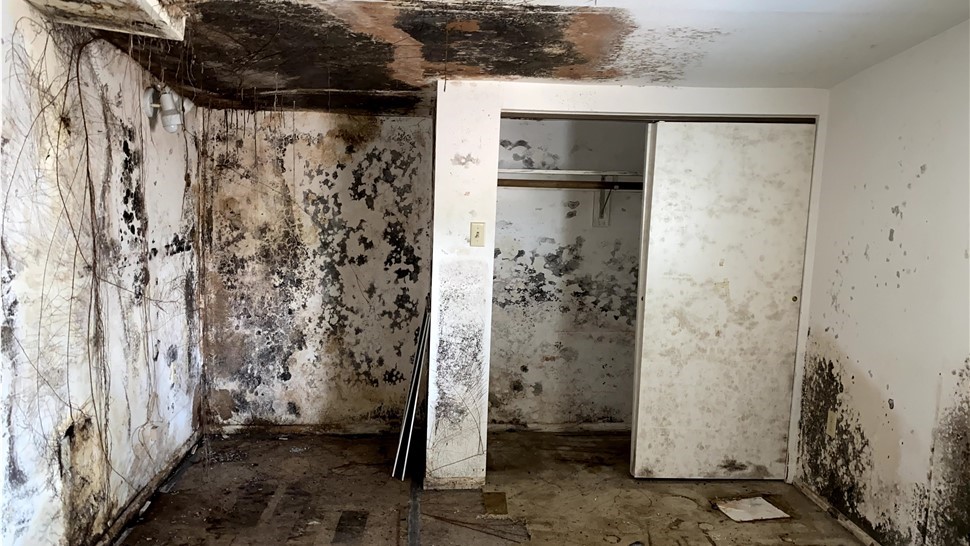
Mold and Indoor Air Quality in Sharpes: What Cocoa Area Property Owners Should Know
Indoor air quality doesn’t get much attention until something feels off. Maybe the house smells musty. Maybe the air feels heavy. Maybe people just don’t feel comfortable indoors anymore. In Sharpes, those issues often trace back to mold—and not always the kind you can see.
I’ve been in plenty of Sharpes homes where everything looked clean, but the air told a different story. Mold doesn’t need to be front and center to affect indoor air quality. In Florida homes, it often works quietly behind walls, inside HVAC systems, or under flooring, releasing particles into the air long before visible growth appears.
Let’s talk about how mold impacts indoor air quality in Sharpes homes, what signs actually matter, and why air problems usually point to moisture issues hiding somewhere nearby.
How Mold Affects Indoor Air Quality
Mold affects air quality by releasing microscopic particles into the air as it grows and spreads. These particles move easily through enclosed spaces, especially in homes that rely heavily on air conditioning.
In Sharpes properties, mold-related air quality issues often come from:
- Hidden mold behind walls or cabinets
- Mold near air handlers or ductwork
- Damp insulation in attics
- Moist subfloors or crawl spaces
Even small mold growth can affect air quality when airflow circulates those particles throughout the home.
Why Sharpes Homes Are Vulnerable to Air Quality Problems
Sharpes homes deal with Florida conditions that make indoor air quality harder to manage.
High Humidity Slows Drying
Humidity keeps surfaces damp longer than they should be. When materials don’t dry fully, mold growth becomes more likely, and air quality suffers as a result.
Heavy AC Dependence
Air conditioning moves air constantly. If mold grows near HVAC components, particles can circulate through vents and reach every room.
Limited Ventilation in Certain Areas
Closets, bedrooms with closed doors, and interior bathrooms often trap moisture and stale air. Mold thrives in those spaces and quietly affects air quality.
Common Air Quality Clues Linked to Mold
Indoor air quality problems don’t always announce themselves clearly. They show up as patterns.
Watch for:
- Persistent musty or earthy odors
- Air that feels heavy or stale
- Odors that worsen when the AC runs
- Uneven comfort between rooms
- Humidity that never seems to drop
If fresh air doesn’t seem to “stick,” mold and moisture are often part of the equation.
Mold in HVAC Systems and Airflow
HVAC systems play a major role in Sharpes indoor air quality.
Mold often develops:
- Near evaporator coils
- Inside drain pans
- Around supply or return vents
- In duct insulation exposed to moisture
Once mold gets involved, the system spreads particles efficiently. That’s why air quality complaints often line up with AC use.
Why Cleaning Alone Doesn’t Fix Air Quality Issues
Surface cleaning helps appearance, but it doesn’t fix air quality when mold hides elsewhere.
Air quality problems persist when:
- Moisture sources remain active
- Mold stays inside walls or ducts
- Humidity stays high
- Ventilation stays inadequate
You can clean every visible surface and still breathe contaminated air if mold growth continues out of sight.
How Inspections Help Identify the Real Cause
A professional inspection focuses on moisture first, air second.
Inspections often evaluate:
- Humidity levels throughout the home
- Moisture inside walls and ceilings
- HVAC components and airflow
- Hidden areas where mold commonly grows
Once moisture patterns get identified, air quality problems make a lot more sense.
Mold Testing and Indoor Air Quality
Testing can help confirm mold-related air issues in certain situations, especially when:
- Odors persist without visible growth
- Multiple rooms feel affected
- Documentation matters for rentals or sales
Testing supports decisions, but improving air quality still requires moisture control and proper remediation.
Improving Indoor Air Quality in Sharpes Homes
Better air quality starts with better moisture management.
Helpful steps include:
- Controlling indoor humidity
- Maintaining HVAC systems regularly
- Fixing leaks promptly
- Improving ventilation in bathrooms and closets
- Addressing hidden mold sources
Air quality improves naturally once moisture problems get resolved.
Why Local Experience Matters With Air Quality Issues
Indoor air quality problems in Florida behave differently than in dry climates. Sharpes homes deal with humidity, AC-heavy living, and construction styles that shape how air moves.
That’s why Mold and Duct Cleaning Experts help property owners focus on the real cause instead of quick fixes. Local experience makes air quality solutions far more effective.
Final Thoughts
Poor indoor air quality in Sharpes homes rarely comes out of nowhere. It usually ties back to moisture and mold hiding somewhere in the house. When air smells off, feels heavy, or never seems fresh, that’s your clue to look deeper.
Fix the moisture, address the mold, and the air follows. When indoor air quality improves, the whole home feels better—and that’s not a coincidence.