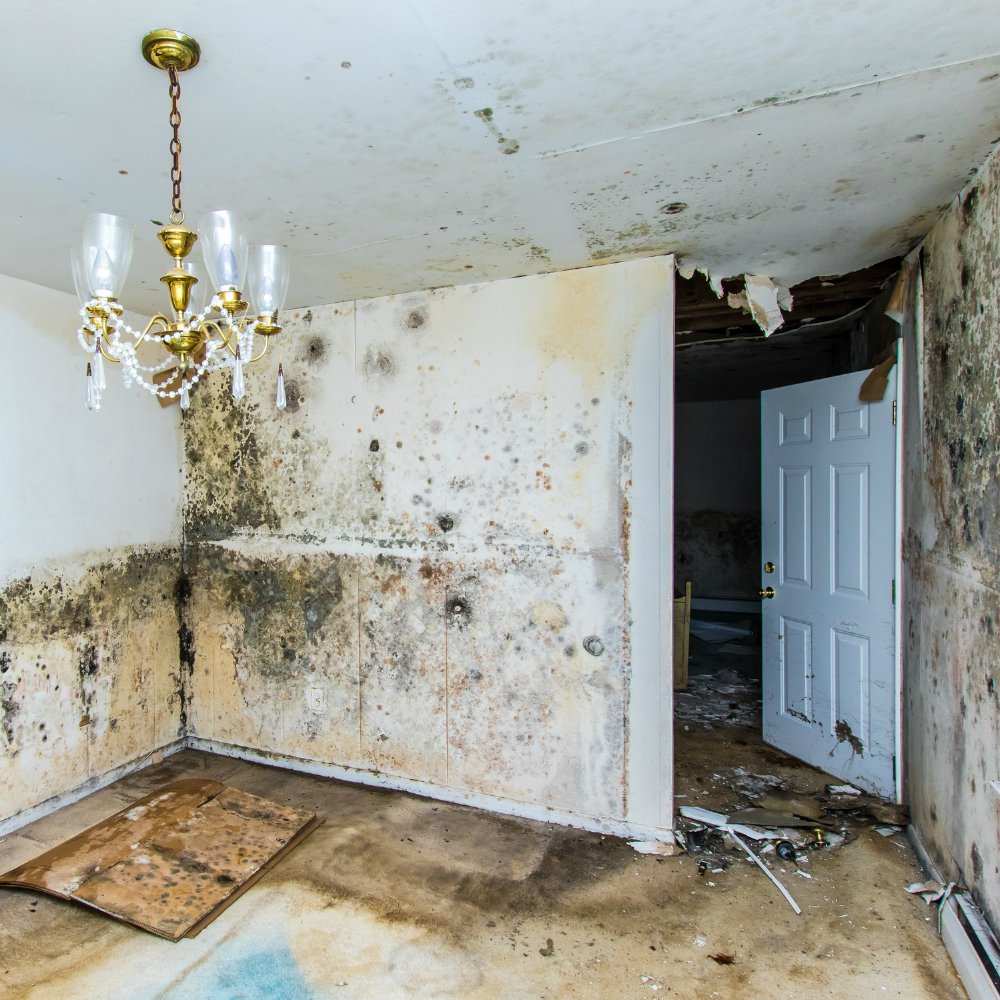
Mold and Flooding in Cocoa: What Cocoa Area Property Owners Should Know
Flooding is one of the fastest and most aggressive triggers for mold growth, and in Cocoa, it’s a reality many property owners face. Heavy rain, tropical storms, hurricanes, overwhelmed drainage systems, and rising groundwater can all introduce moisture into homes—even when floodwaters seem minor or short-lived.
For homeowners, landlords, and property managers in Cocoa and surrounding Brevard County communities, understanding how flooding leads to mold, where problems usually develop, and why fast, correct action matters can prevent long-term damage and recurring mold issues.
Why Flooding Is a Serious Mold Risk in Cocoa
Cocoa’s climate creates ideal conditions for mold even without flooding. When floodwater enters the picture, the risk multiplies.
Local factors that increase mold risk after flooding include:
- High year-round humidity
- Warm temperatures that speed mold growth
- Slab foundations that trap moisture
- Heavy seasonal rain and storms
- Slow drying due to coastal air
In Cocoa, mold can begin growing within 24–48 hours after flooding if materials don’t dry properly.
Flooding Doesn’t Have to Be Severe to Cause Mold
Many property owners assume mold only follows major floods. In reality, even minor flooding can lead to serious mold issues.
Common flood-related moisture sources include:
- Water entering under doors during heavy rain
- Garage flooding that spreads into living areas
- Saturated soil pushing moisture through slab foundations
- Stormwater pooling near exterior walls
- Overflow from clogged drains or gutters
If water touches porous materials, mold risk is immediate.
How Floodwater Feeds Mold Growth
Floodwater introduces more than just moisture.
It:
- Saturates drywall, insulation, flooring, and cabinets
- Soaks into wall cavities and under flooring
- Raises indoor humidity dramatically
- Leaves materials damp long after visible water is gone
Even clean rainwater becomes a mold problem when it stays trapped.
Slab Foundations and Hidden Flood Moisture
Many Cocoa homes are built on concrete slabs, which behave differently after flooding.
Slab-related mold risks include:
- Moisture rising through the concrete after storms
- Water becoming trapped under tile, vinyl, or laminate
- Slow drying beneath flooring systems
- Baseboard staining or swelling
Mold under flooring is one of the most common post-flood discoveries in Cocoa homes.
Areas Most Likely to Develop Mold After Flooding
After flooding, mold rarely grows only where water was obvious.
High-risk areas include:
- Lower sections of drywall
- Behind baseboards
- Under flooring and carpet
- Inside wall cavities
- Closets and storage rooms
- Cabinets and vanities
- HVAC systems exposed to moisture
Hidden areas are often affected long before mold becomes visible.
Why Odors Often Appear Before Visible Mold
Musty smells are one of the earliest post-flood warning signs.
Odors typically indicate:
- Damp materials behind walls or floors
- Mold growth in hidden areas
- Moisture trapped inside HVAC systems
If a home smells musty after flooding—even weeks later—mold conditions are likely present.
Flooding and HVAC Mold Risks
HVAC systems are especially vulnerable after flooding or heavy moisture events.
Common issues include:
- Wet air handlers or drain pans
- Condensation line backups
- Duct insulation absorbing moisture
- Mold spores spreading through airflow
Once HVAC systems are involved, mold problems often affect the entire home.
Why DIY Drying Is Often Not Enough
Fans and shop vacs may remove visible water, but they rarely dry homes completely after flooding.
DIY drying often fails because:
- Moisture remains inside walls and floors
- Humidity stays elevated
- Materials dry unevenly
- Mold begins growing before drying is complete
In Cocoa’s humid environment, drying must be thorough and controlled.
The Difference Between Flood Cleanup and Mold Remediation
These are not the same process.
Flood cleanup focuses on:
- Removing standing water
- Initial drying
Mold remediation focuses on:
- Removing mold-damaged materials
- Containing affected areas
- Correcting moisture conditions
- Preventing recurrence
Skipping remediation after flooding often leads to mold returning later.
When Mold Testing Makes Sense After Flooding
Mold testing isn’t always required, but it can help when:
- Odors persist after drying
- Multiple rooms were affected
- Mold isn’t visible but suspected
- HVAC systems may be involved
- Documentation is needed
Testing works best alongside moisture and visual inspections.
Long-Term Mold Risks If Flooding Isn’t Addressed Properly
Flood-related mold problems don’t always show up right away.
Delayed effects include:
- Mold growth weeks or months later
- Deterioration of drywall and insulation
- Persistent odors
- Recurring surface mold
- Reduced indoor air quality
What seems “fine” shortly after flooding can become a major issue later.
Mold and Property Value After Flooding
Flood history and mold concerns can affect buyer confidence.
Poorly handled flooding may:
- Raise red flags during inspections
- Trigger price reductions
- Delay closings
- Increase insurance scrutiny
Homes with proper post-flood evaluation and documentation maintain value far better.
Preventing Mold After Flooding in Cocoa
Fast, correct action is critical.
Effective post-flood steps include:
- Removing wet materials promptly
- Drying wall cavities and flooring thoroughly
- Controlling indoor humidity
- Inspecting HVAC systems
- Monitoring moisture levels for weeks after flooding
Flood recovery isn’t complete until moisture is fully controlled.
Why Local Cocoa Experience Matters After Flooding
Flooding behaves differently in Florida than in cooler or drier regions. Cocoa homes face slab moisture pressure, high humidity, and slow drying that increase mold risk long after water recedes.
Professionals familiar with local flood patterns understand where moisture hides and how mold develops afterward. Cocoa Mold Removal brings this local experience, helping property owners avoid recurring mold instead of reacting to it later.
A Practical Takeaway for Property Owners
Flooding in Cocoa doesn’t automatically mean mold—but improper drying almost guarantees it. Mold problems after flooding usually come from moisture that was left behind, not water that was seen.
By acting quickly, drying thoroughly, inspecting hidden areas, and addressing moisture fully, Cocoa property owners can prevent long-term mold damage and protect both health and property value. In Florida’s climate, flood recovery and mold prevention go hand in hand.
Relevant Images for This Article