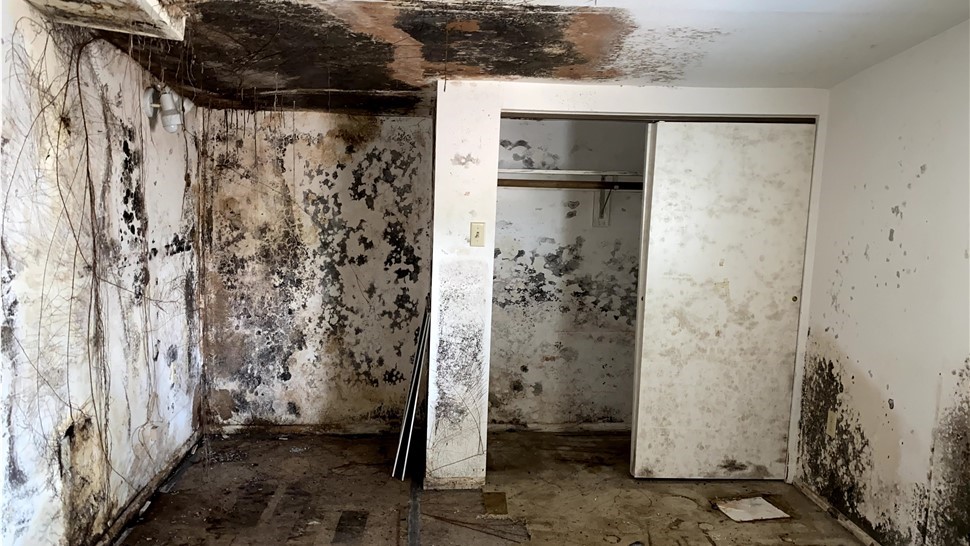
Mold After Standing Water in West Cocoa: What Cocoa Area Property Owners Should Know
Standing water inside a home is one of the clearest warning signs for future mold problems—especially in West Cocoa, where Florida’s humidity and warm temperatures make drying slow and mold growth fast. Whether standing water comes from heavy rain, plumbing leaks, AC failures, poor drainage, or minor flooding, the real risk often begins after the water appears to be gone.
Across West Cocoa, Cocoa, Cocoa Beach, Port St. John, Sharpes, and Canaveral Groves, property owners frequently underestimate how much moisture remains after standing water is removed. Floors may feel dry, walls may look normal, and the smell of water may fade—but moisture trapped inside building materials can quietly support mold growth for weeks.
This article explains how standing water leads to mold in West Cocoa homes, where mold typically develops, why problems often show up later, and what property owners should understand to reduce long-term damage.
Why Standing Water Is a Serious Mold Risk in West Cocoa
Standing water doesn’t just wet surfaces—it soaks into everything it touches.
In West Cocoa, standing water is especially risky because:
- High humidity slows evaporation
- Warm temperatures speed mold growth
- Slab foundations absorb moisture
- Drying often appears complete before it is
Even shallow water that sits for a short time can introduce enough moisture into walls, floors, and insulation to support mold growth if not dried thoroughly.
How Fast Mold Can Start After Standing Water
Mold can begin growing within 24 to 48 hours after materials become wet.
This surprises many homeowners because:
- Standing water may only last a few hours
- Surfaces dry quickly on top
- Damage isn’t immediately visible
In reality, drywall, insulation, wood framing, and flooring absorb water rapidly. Once moisture is inside these materials, mold growth can begin quietly—out of sight.
Common Causes of Standing Water in West Cocoa Homes
Standing water doesn’t always come from major flooding.
Common causes include:
- Heavy rain overwhelming drainage
- Plumbing leaks or pipe failures
- AC drain line backups
- Water heater failures
- Appliance leaks
- Roof leaks pooling indoors
- Poor grading around the home
Even small, localized water events can create mold problems if moisture isn’t fully removed.
Where Mold Commonly Develops After Standing Water
After standing water, mold tends to appear in predictable locations.
Lower Walls and Baseboards
Water wicks upward into drywall and insulation.
Mold often forms:
- Behind baseboards
- Inside wall cavities
- Along lower drywall sections
These areas may look fine initially but develop mold weeks later.
Flooring and Subflooring
Standing water saturates:
- Carpet and padding
- Laminate flooring
- Vinyl plank seams
- Wood subfloors
Moisture trapped beneath flooring is one of the most common causes of hidden mold after water events.
Closets and Bedrooms
Mold often appears in:
- Closets near affected rooms
- Bedrooms with limited airflow
These spaces dry more slowly and are often overlooked during cleanup.
Cabinets and Built-Ins
Water can seep under and behind cabinets.
Mold may develop:
- Under sinks
- Behind base cabinets
- Inside toe-kick areas
Because cabinets conceal moisture, mold here is frequently discovered late.
HVAC Systems
Standing water can indirectly affect HVAC systems.
Problems include:
- Increased humidity during drying
- Condensation forming in ductwork
- Wet insulation near vents
Once HVAC systems move moist air, mold can spread beyond the original water area.
Why Mold Is Often Discovered Weeks After Standing Water
Many West Cocoa homeowners don’t see mold immediately.
This delay happens because:
- Mold grows behind surfaces
- Odors develop gradually
- Humidity masks early signs
- Drying appears successful on the surface
By the time mold becomes visible, it may already be widespread.
The Role of Humidity After Standing Water
Standing water dramatically raises indoor humidity.
In West Cocoa:
- Humidity stays elevated longer
- AC systems struggle to remove moisture fast enough
- Materials reabsorb moisture from the air
Even after water is removed, humidity alone can continue feeding mold growth.
Slab Foundations and Trapped Moisture
Many West Cocoa homes are built on slab foundations, which complicate drying.
After standing water:
- Slabs absorb moisture
- Moisture releases slowly back into the home
- Lower walls remain damp
This slow moisture release is a major reason mold appears long after the water event.
Why Fans and Open Windows Aren’t Enough
Many property owners rely on fans and fresh air to dry standing water damage.
This often fails because:
- Moisture remains inside walls and floors
- Insulation holds water
- Outdoor humidity slows evaporation
Surface drying alone does not remove trapped moisture that feeds mold growth.
Why Mold Often Returns After Initial Cleanup
Some homeowners clean visible mold after standing water, only to see it come back.
This happens because:
- Moisture wasn’t fully eliminated
- Hidden materials stayed damp
- Humidity remained high
- Mold roots were never removed
Standing water mold problems require addressing moisture—not just appearance.
When Standing Water Turns Into a Bigger Mold Problem
Mold problems become more severe when:
- Drying is delayed
- Water affected multiple rooms
- Flooring or drywall wasn’t removed promptly
- Cabinets trapped moisture
- HVAC systems circulated humid air
Early action dramatically reduces mold spread and remediation scope.
Why Professional Evaluation Matters After Standing Water
Standing water creates hidden moisture risks that are difficult to assess visually.
Professional evaluation helps:
- Identify trapped moisture
- Determine which materials are affected
- Assess slab and wall moisture
- Evaluate HVAC involvement
- Prevent mold recurrence
Many West Cocoa property owners rely on experienced local providers like Cocoa Mold Removal because Florida moisture behavior is very different from drier climates.
Preventing Mold After Standing Water in West Cocoa
Prevention begins immediately after the water event.
Important steps include:
- Removing wet materials quickly
- Drying walls and floors thoroughly
- Controlling indoor humidity below 55%
- Running AC and dehumidification consistently
- Monitoring moisture levels over time
The faster moisture is controlled, the lower the mold risk.
Post-Water Event Monitoring Is Essential
After standing water, homeowners should:
- Watch for musty odors
- Inspect baseboards and lower walls
- Check closets and cabinets
- Monitor indoor humidity
- Observe flooring changes
Delayed mold growth is common in Florida, making follow-up checks critical.
Standing Water and Property Value
Mold related to standing water can affect:
- Inspection results
- Buyer confidence
- Repair costs
- Long-term maintenance
Addressing water damage and mold thoroughly—and documenting the process—helps protect property value.
Preparing for Future Water Events
Homes prone to standing water benefit from:
- Improved drainage around the home
- Regular plumbing and AC maintenance
- Faster response plans for leaks
- Periodic moisture inspections
Preparedness reduces the likelihood of mold after future water events.
Why Local Experience Makes a Difference
Standing water mold in West Cocoa is influenced by:
- High humidity
- Slab foundation behavior
- Slow drying conditions
- Seasonal storms
Local professionals understand how these factors interact and how mold behaves in Brevard County homes—leading to more accurate solutions and fewer repeat problems.
A Practical Takeaway for Property Owners
Standing water is one of the most reliable predictors of future mold in West Cocoa homes—even when it seems minor or short-lived. In Florida’s humid climate, moisture lingers longer, materials dry slowly, and mold can develop quietly behind walls and floors.
Property owners who act quickly, focus on thorough drying, and monitor moisture after standing water events are far more successful at preventing long-term mold problems. In West Cocoa, removing water is only the first step—controlling moisture afterward is what truly prevents mold.