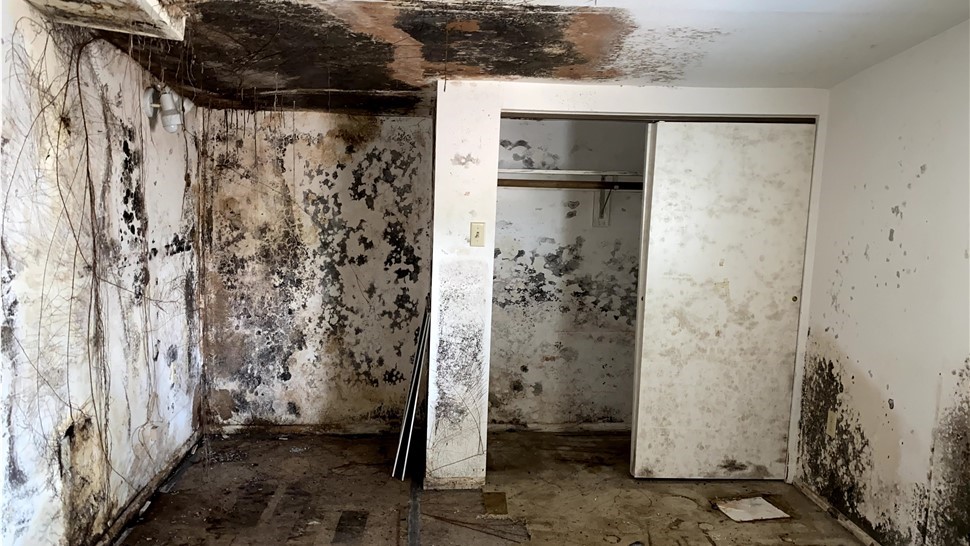
Is Mold Dangerous in West Cocoa: What Cocoa Area Property Owners Should Know
If you own property in West Cocoa, it’s natural to wonder how serious a mold problem really is. Some people dismiss mold as just an ugly stain or a routine Florida nuisance. Others fear it’s immediately dangerous. The truth sits in the middle—but leans strongly toward taking mold seriously, especially in West Cocoa’s warm, humid environment.
Mold is not just a cosmetic issue. In the right conditions, it can affect health, indoor air quality, structural materials, and property value. And because Florida’s climate provides mold with everything it needs to thrive, mold problems here often grow faster, spread wider, and last longer than many property owners expect.
This guide explains whether mold is dangerous in West Cocoa, how and why it becomes a problem, what risks property owners should understand, and when mold shifts from a minor issue to a serious concern.
Why Mold Is So Common in West Cocoa
West Cocoa’s environment is ideal for mold growth.
Key contributing factors include:
- High year-round humidity
- Frequent rain and storms
- Warm temperatures that accelerate mold growth
- Long air-conditioning seasons
- Slab foundations and enclosed wall cavities
Mold spores are always present in the air. What makes West Cocoa different is how often moisture sticks around long enough for mold to grow—even without flooding or major leaks.
What Mold Actually Is—and Why It Grows Indoors
Mold is a type of fungus that reproduces through microscopic spores. These spores float through indoor and outdoor air constantly.
Mold begins growing indoors when:
- Spores land on a surface
- Moisture is present
- The surface stays damp long enough
In West Cocoa, moisture doesn’t have to come from a big water event. Humidity alone is often enough to support mold growth.
Is Mold Dangerous to Your Health?
Mold affects people differently, but it can pose real health risks—especially with prolonged exposure.
Common Health Effects Linked to Indoor Mold
- Sneezing and nasal congestion
- Persistent coughing
- Throat or eye irritation
- Headaches or fatigue
- Worsening asthma or allergies
These symptoms often worsen indoors and improve when occupants leave the property—a key warning sign.
Who Is Most at Risk From Mold Exposure?
Some individuals are more vulnerable than others.
Higher-risk groups include:
- Children
- Seniors
- People with asthma or allergies
- Those with compromised immune systems
- Individuals with respiratory conditions
For these groups, even moderate mold exposure can trigger more severe symptoms.
The Truth About “Toxic Mold”
The phrase toxic mold causes a lot of confusion.
Important facts for West Cocoa property owners:
- No mold needs to be labeled “toxic” to cause problems
- Health impact depends on exposure, moisture, and sensitivity
- All indoor mold growth is considered undesirable
Focusing on mold labels often distracts from the real issue: why mold is growing indoors at all.
Mold and Indoor Air Quality
One of the biggest dangers of mold is how it affects indoor air.
When mold grows indoors:
- Spores become airborne
- Odors spread through the home
- HVAC systems can distribute spores
- Air quality declines throughout the structure
Even if mold is hidden behind walls or under floors, it can still degrade indoor air quality.
Why Mold Odors Matter
Musty or earthy smells are not harmless.
Odors usually mean:
- Active mold growth
- Ongoing moisture
- Airborne spores
If a property smells musty—even without visible mold—it’s a strong sign that indoor conditions are unhealthy.
Can Mold Damage the Structure of a Property?
Yes. Mold doesn’t just affect people—it affects buildings too.
Over time, mold can:
- Break down drywall and wood
- Damage insulation
- Weaken framing materials
- Cause flooring to warp or delaminate
- Lead to costly repairs
Structural damage usually happens slowly and out of sight, making it more expensive when finally discovered.
Why Mold Is Often More Dangerous Than It Looks
Many mold problems in West Cocoa are underestimated because:
- Growth is hidden behind walls
- Damage develops gradually
- Odors come and go
- Symptoms resemble seasonal allergies
By the time mold becomes visible, it often indicates a long-standing moisture problem.
Hidden Mold: The Biggest Risk Factor
Hidden mold is usually more concerning than visible mold.
Common hidden locations include:
- Inside walls
- Under flooring
- Behind cabinets and vanities
- Inside HVAC systems
- In attics and insulation
Hidden mold can grow unchecked for months, increasing exposure and damage.
Mold and HVAC Systems: A Dangerous Combination
HVAC systems can turn a localized mold issue into a whole-house problem.
Common HVAC-related mold risks include:
- Mold growth inside air handlers
- Dirty evaporator coils
- Clogged condensate drain lines
- Ductwork condensation
When mold grows in HVAC components, spores can circulate throughout the property every time the system runs.
Does Mold Always Make People Sick?
Not everyone reacts the same way—but that doesn’t mean mold is safe.
Important considerations:
- Some people have mild or delayed symptoms
- Others experience significant reactions
- Long-term exposure increases risk
A lack of immediate symptoms does not mean mold isn’t affecting indoor air quality.
Mold in Rental Properties: Added Risk in West Cocoa
For landlords, mold creates additional concerns.
Unresolved mold can lead to:
- Tenant health complaints
- Habitability disputes
- Insurance complications
- Legal exposure
- Loss of rental income
Mold issues that seem minor can escalate quickly in rental situations.
Mold and Property Value
Mold can directly impact property value.
Potential consequences include:
- Failed home inspections
- Buyer hesitation
- Price reductions
- Required remediation before sale
Even past mold issues can raise concerns if moisture problems weren’t clearly resolved.
Why Mold Keeps Coming Back
Recurring mold is a warning sign.
Common reasons include:
- Ongoing moisture intrusion
- High indoor humidity
- Poor ventilation
- HVAC dehumidification issues
- Hidden mold reservoirs
If mold keeps returning, it usually means the dangerous part of the problem hasn’t been fixed.
When Mold Becomes a Serious Health Concern
Mold should be treated as a serious issue when:
- Musty odors persist
- Mold spreads to multiple areas
- Health symptoms worsen indoors
- Children or elderly occupants are affected
- HVAC systems are involved
- Moisture problems last more than a short time
At this point, mold is no longer a minor nuisance—it’s a property-wide concern.
Why Ignoring Mold Is Risky in West Cocoa
Ignoring mold rarely makes it go away.
Delays can lead to:
- Increased exposure
- Wider spread
- Structural damage
- Higher remediation costs
- Ongoing health complaints
In Florida’s climate, mold problems usually worsen with time, not improve.
What Property Owners Can Do to Reduce Mold Risk
Control Indoor Humidity
Keep indoor humidity between 30% and 50%.
Address Moisture Quickly
Fix leaks, condensation, and water intrusion immediately.
Maintain HVAC Systems
Clean drain lines, coils, and filters regularly.
Take Odors Seriously
Musty smells are early warnings—not harmless annoyances.
Inspect After Storms
Check hidden spaces after heavy rain.
Is Mold Ever “Safe” to Ignore?
In short—no.
While not every mold issue is an emergency, all indoor mold growth indicates a moisture problem. Even small areas deserve investigation to prevent bigger, more dangerous issues later.
Final Thoughts for Cocoa Area Property Owners
So—is mold dangerous in West Cocoa? Yes, it can be, especially when it’s ignored, hidden, or allowed to return repeatedly. Mold affects health, indoor air quality, building materials, and property value—and West Cocoa’s climate makes it easier for mold to grow and harder for it to disappear on its own.
The most important thing property owners can understand is this: mold is not just about what you can see. It’s about moisture, air quality, and time. Addressing mold early—before it spreads or becomes chronic—is far safer and far less expensive than waiting.
For Cocoa area property owners, awareness and early action are the best defenses. Mold doesn’t have to become dangerous—but it becomes risky the moment it’s ignored.