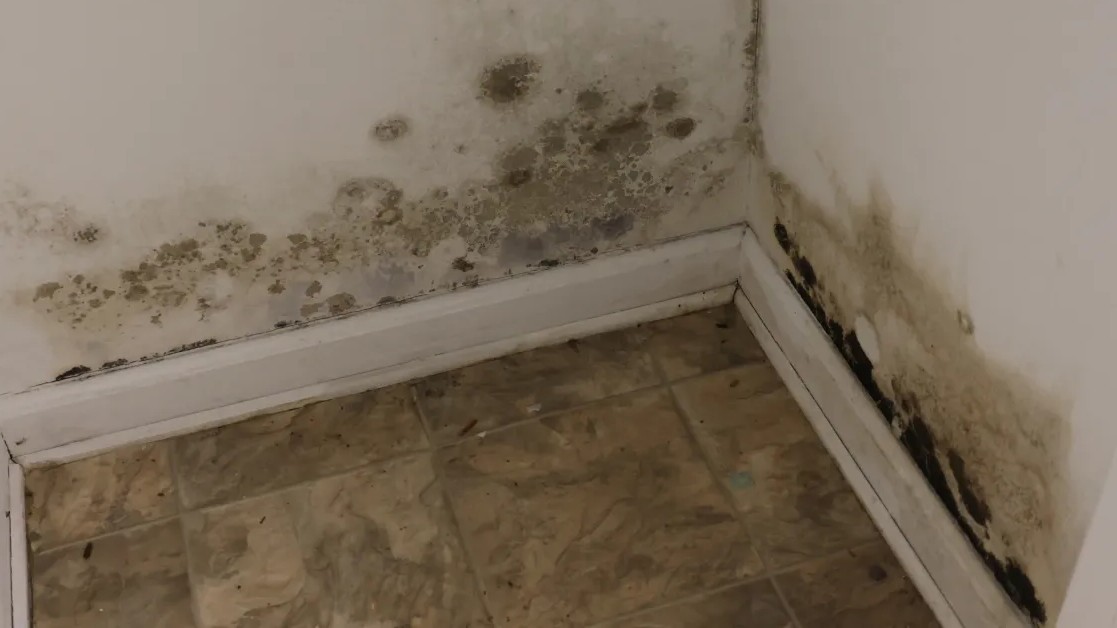
Is Mold Dangerous in Brevard County: What Cocoa Area Property Owners Should Know
Mold is one of those issues that sits in a gray area for many Brevard County property owners. Some people panic at the first sign of discoloration, while others dismiss mold as a normal Florida nuisance that isn’t worth worrying about. The truth is more balanced—and far more practical—than either extreme.
In Brevard County, mold is common, but that doesn’t mean it should be ignored. Whether mold is “dangerous” depends on where it’s growing, why it’s growing, how long it’s been there, and whether moisture conditions are allowing it to spread. Understanding mold in the context of Florida’s climate helps property owners respond calmly, avoid unnecessary fear, and take action when it actually matters.
Why Mold Is So Common in Brevard County Homes
Brevard County provides near-perfect conditions for mold growth. Warm temperatures, high humidity, frequent rain, and year-round air-conditioning all contribute to moisture lingering inside homes.
Unlike drier climates, mold here doesn’t require flooding or major leaks. It often develops from:
- Elevated indoor humidity
- AC condensation
- Small plumbing leaks
- Rain intrusion that dries on the surface
- Moisture trapped behind walls or under floors
Because these conditions are so common, mold is not rare—but frequent does not mean harmless.
Understanding What Mold Really Is
Mold is a type of fungus that grows where moisture and organic material are present. It reproduces by releasing tiny spores into the air. These spores are everywhere, especially outdoors in Florida.
Indoors, mold becomes a concern when spores land on damp materials and begin to grow. Mold growth is not random—it is always a sign of moisture.
The key issue is not the presence of mold spores, but active mold growth supported by ongoing moisture.
Is All Mold Dangerous?
Not all mold situations are equally serious. A small amount of surface mold caused by temporary moisture is very different from widespread, hidden growth driven by long-term dampness.
Mold becomes more concerning when:
- It is widespread
- It keeps returning
- It grows in hidden areas
- It affects HVAC systems
- It indicates ongoing moisture problems
In Brevard County, mold danger is less about the specific type of mold and more about the conditions that allow it to persist and spread.
The Bigger Risk: Hidden Mold and Moisture
One of the main reasons mold can become problematic is that it often grows out of sight. Many Brevard County homes have mold behind drywall, under flooring, or in attics long before anything is visible.
Hidden mold matters because:
- It continues spreading unnoticed
- It indicates unresolved moisture
- It can affect large areas over time
- It often reappears after surface cleaning
Property owners often assume mold is “under control” because they can’t see it, when in reality the problem is just concealed.
Mold and Indoor Air Quality
Even when mold is not visible, it can still affect indoor conditions. As mold grows, it releases spores and fragments into the air. In Florida homes with constant air movement from AC systems, these particles can circulate easily.
Signs that mold may be affecting indoor air quality include:
- Persistent musty or earthy odors
- Odors that worsen when the AC runs
- A damp or stale feeling indoors
- Mold smells appearing in multiple rooms
These conditions don’t automatically mean danger, but they do signal that moisture and mold are interacting inside the home.
Mold in HVAC Systems Is a Bigger Concern
Mold growth associated with HVAC systems deserves extra attention. Air handlers, drain pans, ductwork, and insulation can all become mold-prone if condensation isn’t managed properly.
When mold involves HVAC systems:
- Air circulation can distribute spores
- Odors can spread throughout the home
- Moisture problems tend to persist
- Mold can affect multiple rooms at once
In Brevard County, HVAC-related mold is one of the most common reasons small issues become larger ones.
Mold and Property Damage Risks
Beyond air quality concerns, mold can damage building materials over time. Mold feeds on organic components found in drywall, wood, paper backing, and insulation.
Long-term mold growth can lead to:
- Deterioration of drywall and framing
- Swollen baseboards and flooring
- Damaged insulation
- Ongoing moisture retention
Even when mold is not considered “toxic,” the structural and financial consequences of ignored mold can be significant.
Why Mold Is Often Misunderstood in Florida
Many property owners have heard alarming claims about mold being instantly dangerous or, on the other hand, completely harmless. Neither view is accurate.
In Brevard County, mold problems are often misunderstood because:
- Mold is so common it feels normal
- Early signs are subtle
- Problems develop slowly
- Internet advice is often exaggerated or generic
The real issue is not panic-worthy mold myths—it’s untreated moisture.
When Mold Is More Likely to Be a Serious Issue
Mold situations deserve closer attention when they involve:
- Repeated water intrusion
- Long-term humidity problems
- Hidden growth behind walls or floors
- Widespread odors
- HVAC systems
- Vacant or seasonally used homes
These conditions allow mold to persist and spread, increasing the likelihood of both property damage and indoor air quality concerns.
Why Mold Keeps Coming Back in Some Homes
Many homeowners ask whether mold is dangerous because they’ve already tried cleaning it—sometimes multiple times—and it keeps returning.
Recurring mold usually means:
- Moisture has not been eliminated
- Hidden growth remains
- Airflow is poor
- Humidity is consistently high
Mold that keeps coming back is not just a nuisance—it’s a sign of an unresolved moisture issue that should be addressed.
DIY Mold Cleanup vs. Actual Mold Control
DIY cleanup can be effective for very small, surface-level mold caused by short-term moisture. However, it often gives a false sense of security.
DIY methods do not:
- Find hidden moisture
- Remove mold inside materials
- Stop condensation problems
- Prevent mold from spreading
When mold reappears or odors persist, the issue is no longer about cleaning—it’s about understanding conditions.
Mold After Storms and Power Outages
Storms and power outages increase mold risk significantly in Brevard County. When AC systems stop running, humidity rises quickly. Wind-driven rain can also force moisture into hidden areas.
Mold often develops:
- Days or weeks after storms
- In attics, closets, and cabinets
- Behind walls affected by rain intrusion
Mold appearing after storms is a sign that moisture lingered too long—not that mold suddenly appeared out of nowhere.
Should Property Owners Be Worried?
Worry is not productive, but awareness is essential. Mold is not automatically dangerous, but ignoring it can lead to larger problems.
Property owners should pay attention when:
- Odors persist
- Mold keeps returning
- Moisture issues are unresolved
- Indoor conditions feel damp
- The home has a history of leaks or flooding
Early investigation prevents small issues from becoming expensive ones.
The Role of Professional Evaluation
A professional mold inspection focuses on identifying moisture and understanding conditions—not just labeling mold as “dangerous” or “not dangerous.”
Professional evaluation helps:
- Locate hidden moisture
- Determine whether mold is active
- Assess the extent of growth
- Provide practical next steps
Local providers like Cocoa Mold Removal understand how mold behaves in Brevard County’s climate and focus on clear, calm guidance rather than alarmist conclusions.
Preventing Mold Problems Long-Term
The most effective way to reduce mold-related risk is prevention. In Brevard County, prevention revolves around moisture control.
Key prevention strategies include:
- Maintaining consistent AC operation
- Monitoring indoor humidity
- Fixing leaks promptly
- Keeping HVAC drain lines clear
- Inspecting attics and hidden spaces
- Addressing odors early
Without moisture, mold cannot grow—regardless of climate.
Why Local Brevard County Experience Matters
Mold behaves differently in Florida than in other regions. Brevard County homes face:
- Constant humidity
- Slab foundations
- Coastal and inland rain patterns
- Heavy air-conditioning use
Local experience matters because understanding these factors leads to realistic assessments and effective solutions.
Professionals familiar with Cocoa, Cocoa Beach, West Cocoa, Port St. John, Sharpes, and Canaveral Groves know where mold typically develops and why it persists in this area.
A Balanced, Practical Takeaway for Property Owners
So—is mold dangerous in Brevard County?
Mold is not something to panic over, but it is not something to ignore. It is a sign of moisture, and moisture problems only get worse when left unaddressed in Florida’s climate.
The real risk lies in hidden growth, ongoing dampness, and repeated mold cycles—not in every small spot on a wall. Staying aware, controlling moisture, and investigating persistent issues early keeps mold from becoming a serious problem.
For property owners who want clarity rather than fear, a knowledgeable local provider like Cocoa Mold Removal can help assess conditions, identify moisture sources, and guide practical steps—keeping Brevard County homes stable, dry, and far less vulnerable to mold over time.