Humidity and Mold in Canaveral Groves: What Cocoa Area Property Owners Should Know
Humidity is the single biggest driver of mold problems in Canaveral Groves and across Brevard County. While leaks and floods often get the blame, many mold issues here start without any obvious water damage at all. Instead, they develop slowly as moist air builds up inside the home and never fully dries out.
For property owners in Canaveral Groves, understanding how humidity behaves inside Florida homes is essential. Mold prevention is not just about fixing leaks—it’s about managing moisture in the air, day after day. When humidity stays elevated for too long, mold can grow even in homes that look clean, dry, and well maintained.
Why Humidity Is a Bigger Problem Than Most Homeowners Realize
Humidity is invisible, which makes it easy to underestimate. In Canaveral Groves, outdoor humidity is high most of the year, and that moisture constantly tries to move indoors. Every time doors open, air leaks around windows, or ventilation is unbalanced, humid air enters the home.
Unlike liquid water, humidity doesn’t leave obvious stains or puddles. Instead, it settles quietly onto cooler surfaces like walls, ceilings, ductwork, and flooring. Over time, this moisture builds up in materials like drywall, wood framing, insulation, and dust—creating ideal conditions for mold growth.
Many property owners assume mold only grows after a leak or flood. In reality, long-term high humidity alone is often enough.
How Florida Humidity Fuels Mold Growth
Mold needs moisture, a food source, and time. Florida homes provide all three. Building materials such as drywall paper, wood, carpet backing, and dust act as food sources. Time is plentiful when moisture goes unnoticed.
Humidity provides mold with steady moisture without the drama of a leak. When indoor humidity stays elevated, materials never fully dry. Even surfaces that feel dry to the touch can contain enough moisture internally to support mold growth.
In Canaveral Groves, this is especially common during the rainy season, prolonged overcast periods, or times when the AC is not removing enough moisture from the air.
Why Canaveral Groves Homes Are Vulnerable to Humidity Issues
Canaveral Groves homes face several conditions that make humidity control more challenging. The area experiences consistent heat, frequent rain, and long humid seasons. Homes rely heavily on air conditioning not just for cooling, but for dehumidification.
Slab foundations, common in the area, can allow moisture to migrate upward into flooring and walls. Attics often reach extreme temperatures, increasing condensation risks on ductwork and framing.
Many homes also have tightly sealed construction, which improves energy efficiency but can trap moisture indoors if ventilation and airflow are not balanced correctly.
These factors make humidity-related mold problems especially common in Canaveral Groves—even without obvious water intrusion.
Common Ways Humidity Leads to Mold Inside the Home
Humidity-related mold often appears in areas that are cooler or poorly ventilated. Bathrooms are a frequent problem spot, especially when exhaust fans are underused or vented improperly.
Closets and bedrooms can also develop mold when air circulation is limited. Mold may grow behind furniture placed against exterior walls where humid air condenses.
HVAC systems play a major role as well. Condensation on air handlers, ductwork, and vents can introduce moisture into surrounding materials. Over time, this moisture supports mold growth in ceilings, walls, and ducts.
Attics are another common victim. Poor ventilation combined with humid air can lead to mold on roof decking and trusses, even when the roof itself isn’t leaking.
Signs Humidity Is Causing Mold Problems
Humidity-related mold often starts quietly. Musty or earthy odors are usually the first sign. These smells may come and go, becoming stronger after the AC runs or during humid weather.
Property owners may notice condensation on windows, walls, or vents. Persistent dampness, even without visible leaks, is another red flag.
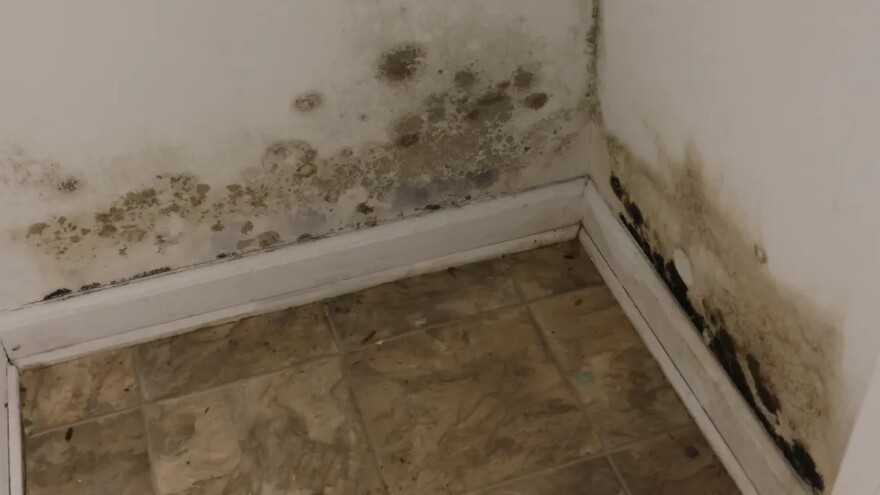
Visible mold may appear on ceilings, around vents, in corners, or inside closets. In many cases, homeowners clean these areas repeatedly without realizing the real issue is moisture in the air.
When mold keeps returning despite cleaning, humidity is often the root cause.
Hidden Mold Caused by Long-Term Humidity
One of the biggest risks with humidity-driven mold is that it often grows out of sight. Moist air can seep into wall cavities, under flooring, or behind insulation where mold develops unnoticed.
In Canaveral Groves homes, mold behind drywall is common when humid air condenses on cooler interior wall surfaces. Mold under flooring can develop when moisture migrates upward from slabs or stays trapped beneath non-breathable flooring materials.
Because there’s no obvious leak, these problems often go undetected until odors, staining, or material damage appears.
Why Surface Cleaning Doesn’t Solve Humidity Mold
Many property owners try to address mold by cleaning visible areas with household products. While this may remove surface growth temporarily, it does nothing to reduce indoor humidity.
As long as humidity remains high, mold will continue to return. This leads to frustration, repeated cleaning, and the false belief that mold is “just part of living in Florida.”
The reality is that mold recurrence is a moisture control issue, not a cleaning issue.
The Role of Air Conditioning in Humidity Control
In Florida homes, air conditioning is the primary tool for managing humidity. When systems are properly sized and maintained, they remove moisture from the air as they cool.
Problems arise when AC systems are oversized, poorly maintained, or not running long enough. Short cooling cycles lower temperature without removing sufficient moisture, leaving indoor humidity elevated.
Clogged drain lines, dirty coils, and airflow issues can also reduce dehumidification. In Canaveral Groves, AC systems that are not optimized for humidity control are a major contributor to mold problems.
When Dehumidification Becomes Necessary
In some homes, air conditioning alone is not enough to manage humidity—especially during rainy seasons or in homes with limited airflow.
Supplemental dehumidification can help reduce moisture levels and stabilize indoor conditions. This is particularly useful in homes with persistent humidity issues, finished garages, or areas with limited ventilation.
Dehumidification is not about making the air uncomfortably dry. It’s about keeping moisture low enough that mold cannot thrive.
How Professionals Evaluate Humidity-Related Mold
Professional mold evaluations look beyond visible growth. Inspectors assess indoor humidity levels, airflow patterns, HVAC performance, and building materials.
Moisture detection tools help identify damp areas behind walls, under flooring, or in ceilings. These tools reveal where humid air has been condensing over time.
In some cases, air or surface samples may be used to better understand indoor conditions, especially when visible mold is limited but odors persist.
The goal is to identify how humidity is behaving inside the home and where it’s creating mold-friendly conditions.
Proper Mold Remediation When Humidity Is the Cause
When mold is linked to humidity, remediation must address both the mold and the moisture conditions that caused it. Simply removing mold without correcting humidity leads to repeat problems.
Containment is used to prevent spores from spreading during removal. Affected materials may be cleaned or removed depending on severity.
Just as important is improving moisture control. This may involve HVAC adjustments, duct sealing, ventilation improvements, or dehumidification strategies.
Local providers like Cocoa Mold Removal focus on remediation methods that address humidity as a root cause, not just visible mold.
Practical Ways to Control Humidity in Canaveral Groves Homes
Effective humidity control starts with consistency. Running the AC regularly, even during mild weather, helps manage moisture.
Exhaust fans should be used in bathrooms and kitchens and vented outdoors. Attics should be properly ventilated, and ductwork should be insulated and sealed.
Leaks should be repaired promptly, but even without leaks, moisture management matters. During vacancy periods, maintaining climate control is critical.
Monitoring humidity levels with a simple hygrometer can help property owners understand when conditions are becoming mold-friendly.
Why Local Experience Matters With Humidity and Mold
Humidity behaves differently depending on climate and construction. Local experience matters because Canaveral Groves homes face Florida-specific challenges tied to heat, moisture, slab foundations, and storm exposure.
Professionals familiar with Brevard County understand where humidity problems typically develop and how to address them effectively. This local knowledge leads to better diagnosis and longer-lasting solutions.
Property owners in Canaveral Groves, Cocoa, Cocoa Beach, West Cocoa, Port St. John, and Sharpes benefit from working with professionals who deal with humidity-driven mold issues every day.
A Smarter, Preventive Approach for Property Owners
Humidity is unavoidable in Florida—but mold doesn’t have to be. In Canaveral Groves, most mold problems can be prevented by understanding how moisture moves through the home and taking steps to control it.
Managing humidity, maintaining HVAC systems, improving ventilation, and addressing moisture early are the keys to long-term mold prevention. When mold does appear, focusing on humidity rather than just cleanup leads to better outcomes.
For property owners who want clarity and long-term solutions, a knowledgeable local provider like Cocoa Mold Removal can help evaluate humidity conditions, identify risks, and guide effective prevention—helping Canaveral Groves homes stay drier, healthier, and easier to maintain year-round.