How Mold Testing Works in Port St. John: What Cocoa Area Property Owners Should Know

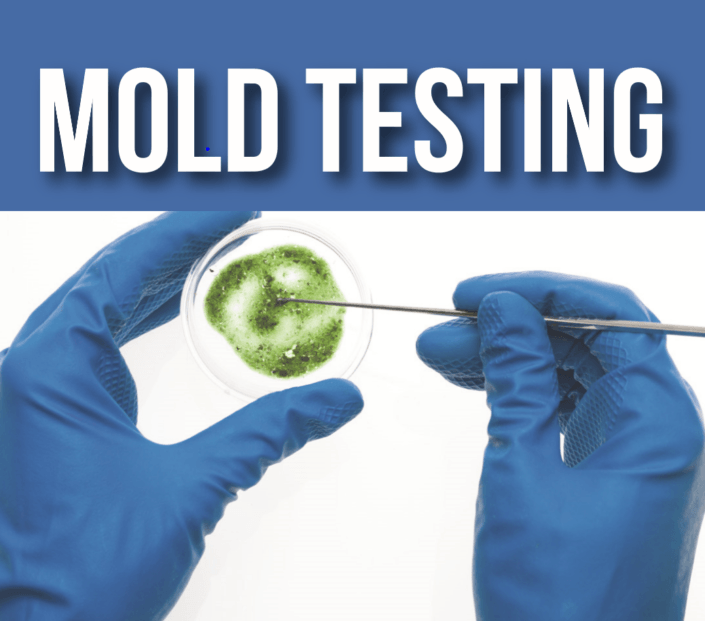
Mold problems in Port St. John homes are often hidden long before they become obvious. High humidity, seasonal rain, and everyday moisture from plumbing and air-conditioning systems create ideal conditions for mold to grow quietly behind walls, under flooring, or inside HVAC systems. This is why mold testing plays such an important role for Cocoa-area property owners.
Understanding how mold testing works helps homeowners know when testing is necessary, what the results actually mean, and how testing supports proper decision-making.
Why Mold Testing Matters in Port St. John
Port St. John homes frequently experience moisture-related issues that do not involve visible flooding. Slow leaks, condensation, and elevated indoor humidity can all support mold growth without leaving obvious stains or damage.
Mold testing is used to:
- Confirm whether mold is present
- Detect hidden mold growth
- Measure indoor air quality
- Identify problem areas before damage becomes extensive
Testing provides objective data rather than guesswork.
Mold Testing vs. Mold Inspection
Mold testing and mold inspection are closely related but not the same.
A mold inspection focuses on identifying moisture sources and visible signs of mold.
Mold testing collects samples to measure and identify mold spores in the environment.
In many cases, testing is performed as part of a full inspection, especially when mold is suspected but not clearly visible.
Step 1: Visual Evaluation Before Testing
Before any samples are taken, a visual assessment is performed. This helps determine where testing is needed and prevents unnecessary sampling.
Inspectors look for:
- Water staining or discoloration
- Musty or earthy odors
- Condensation on vents or windows
- Peeling paint or warped materials
- Past water damage or repairs
This step ensures testing is targeted and meaningful.
Step 2: Air Sampling Explained
Air sampling is one of the most common mold testing methods used in Port St. John homes.
How Air Samples Are Collected
A calibrated air pump draws a specific volume of air through a collection device. Samples are taken from:
- Indoor living spaces
- Areas with suspected mold
- An outdoor control location
The outdoor sample acts as a baseline for comparison.
What Air Sampling Reveals
Air samples measure:
- The concentration of mold spores
- Types of mold present
- Whether indoor levels are elevated compared to outdoors
High indoor spore counts often indicate hidden mold growth even when surfaces appear clean.
Step 3: Surface Sampling Methods
Surface sampling is used when visible mold-like growth is present or when specific areas need confirmation.
Common surface sampling techniques include:
- Swab samples from walls or vents
- Tape lifts from building materials
- Bulk samples from contaminated materials (when appropriate)
Surface testing helps determine whether growth is active mold and supports remediation planning.
Step 4: Laboratory Analysis
All samples are sent to an accredited laboratory for analysis. This step ensures accurate identification and reliable results.
Laboratories identify:
- Mold genera or species
- Spore concentrations
- Whether molds are common indoor types or moisture-related varieties
Results are typically available within a few days and are included in a written report.
Step 5: Interpreting Mold Test Results
Test results can be confusing without proper explanation. Elevated mold levels do not automatically mean a home is unsafe, but they do indicate a problem that should be addressed.
Professionals interpret results by considering:
- Indoor vs. outdoor spore levels
- Types of mold present
- Moisture conditions in the home
- Occupant symptoms or complaints
Context matters more than numbers alone.
Common Reasons Mold Testing Is Recommended
Port St. John property owners often schedule mold testing when:
- Musty odors persist without visible mold
- Allergy or respiratory symptoms worsen indoors
- Water damage has occurred
- Mold has returned after cleaning
- Buying or selling a home
- Insurance documentation is required
Testing provides clarity in situations where visual inspection alone is not enough.
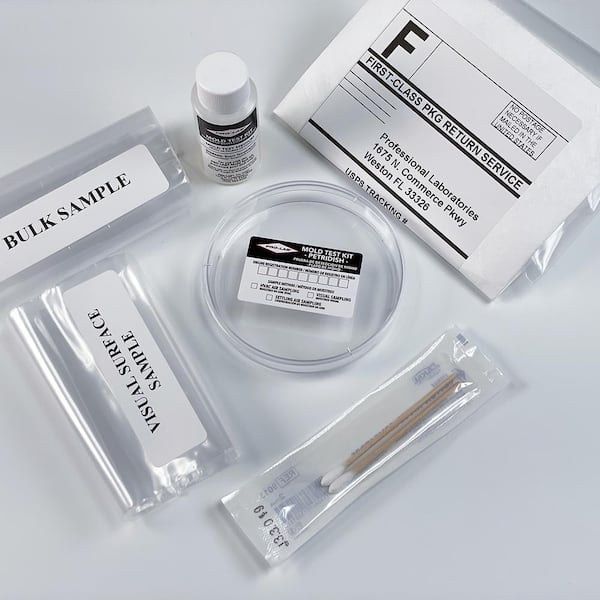
Why DIY Mold Test Kits Are Unreliable
Store-bought mold test kits often produce misleading results. Mold spores exist naturally in both indoor and outdoor air, so detecting mold does not necessarily indicate a problem.
DIY kits typically:
- Do not measure spore concentration
- Lack outdoor comparison samples
- Cannot identify moisture sources
- Provide no professional interpretation
This often leads to unnecessary worry or false reassurance.
What Mold Testing Does Not Do
Mold testing does not remove mold or stop growth. It is a diagnostic tool, not a solution.
Testing should always be paired with:
- Moisture control
- Professional inspection
- Targeted remediation when needed
Skipping corrective action after testing allows mold problems to persist.
Benefits of Professional Mold Testing
For Port St. John homeowners, professional mold testing offers:
- Objective confirmation of mold presence
- Early detection of hidden problems
- Clear guidance for remediation decisions
- Documentation for insurance or real estate
- Improved indoor air quality awareness
Accurate testing supports informed decisions rather than guesswork.
Making Smart Decisions After Testing
Once testing is complete, property owners can move forward with confidence. Whether the results point to minor moisture control or full remediation, having reliable data helps prevent recurring problems and protects both property value and occupant health.
Mold testing, when done correctly, is one of the most valuable tools Cocoa-area property owners can use to understand what is happening inside their homes.