How Mold Spreads Indoors in Sharpes: What Cocoa Area Property Owners Should Know

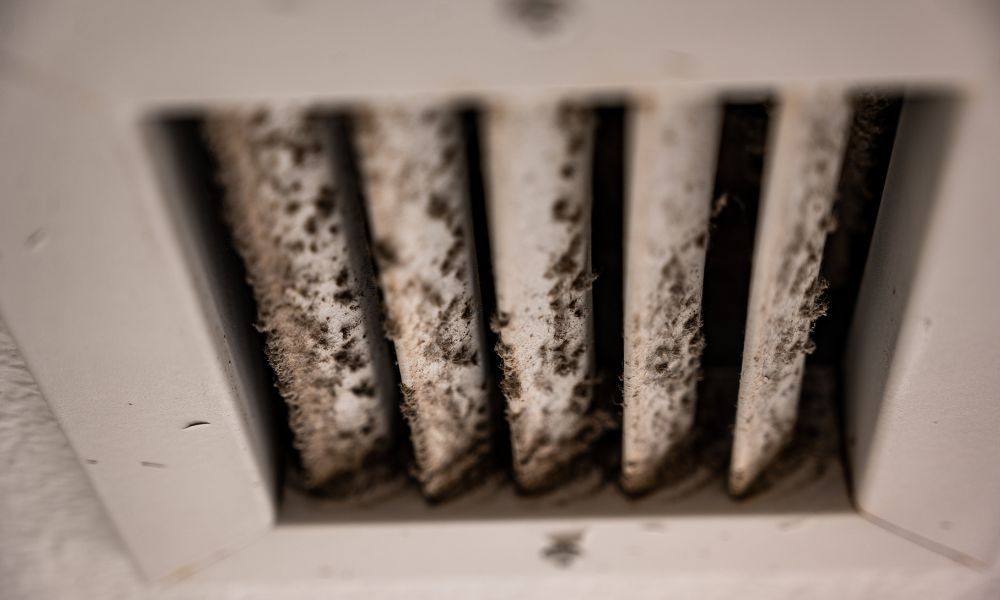
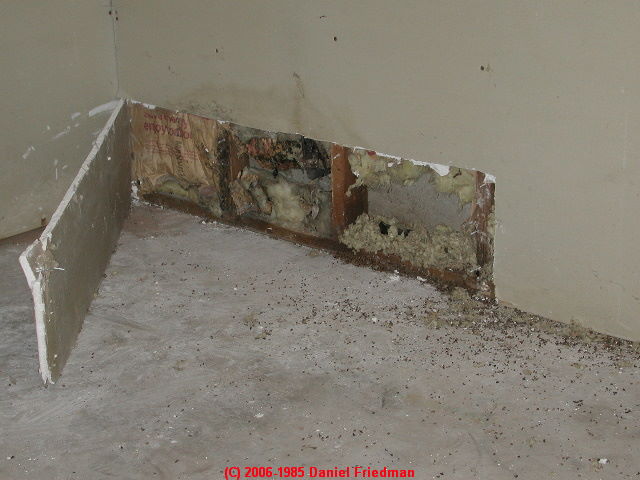
Mold problems in Sharpes homes rarely stay contained to one small area. Once mold begins growing indoors, it can spread quickly and quietly through the home, often long before homeowners realize there is a serious issue. Understanding how mold spreads helps Cocoa-area property owners recognize early warning signs and take action before damage becomes widespread.
Why Mold Spreads Easily in Sharpes Homes
Sharpes experiences high humidity for much of the year, along with frequent rain and warm temperatures. These conditions allow mold spores to survive easily indoors. Mold does not need flooding to spread—normal household moisture is often enough.
Once mold starts growing, it releases microscopic spores into the air. These spores travel through the home and settle in new locations where moisture is present.
Airborne Mold Spores and Indoor Air Movement
Mold spreads primarily through the air. Spores are lightweight and invisible, making them easy to inhale and difficult to detect.
Indoor air movement helps spores travel through:
- Open doorways
- Hallways and shared living spaces
- Ceiling cavities
- Return air vents
Every time air circulates, spores can move to new areas of the home.
HVAC Systems as a Major Distribution Path
Heating and cooling systems are one of the most common ways mold spreads indoors in Sharpes homes.
When mold grows near:
- AC coils
- Drain pans
- Duct insulation
- Air handlers
Spores can be pulled into the system and distributed throughout the house. This often leads to mold appearing in multiple rooms at once, even when moisture is localized.
Mold Spreading Through Walls and Ceilings
Mold does not need open air to spread. It can grow and move inside wall cavities and ceilings when moisture is present.
Common causes include:
- Slow plumbing leaks
- Roof leaks
- Condensation inside walls
- Poor insulation
Once mold establishes itself behind drywall, it can spread horizontally and vertically without visible signs for long periods.
Cross-Contamination During Cleaning
Improper cleaning is another common reason mold spreads indoors. Scrubbing visible mold without containment releases spores into the air.
This can cause:
- New growth in nearby rooms
- Contamination of furniture and belongings
- Spread through HVAC systems during cleaning
Without proper containment and filtration, mold removal efforts often make the problem worse.
Mold Spread Through Personal Belongings
Mold spores easily attach to:
- Clothing
- Cardboard boxes
- Upholstered furniture
- Curtains and rugs
When contaminated items are moved from one room to another, spores are carried with them and can start new colonies if moisture is present.
Why Mold Often Reappears in the Same Home
Many Sharpes homeowners clean mold only to see it return. This usually happens because:
- The moisture source was never corrected
- Hidden mold was missed
- Spores remained in the air or HVAC system
As long as moisture and spores remain, mold will continue spreading.
Signs Mold Is Spreading Indoors
Early signs that mold is spreading include:
- Musty odors moving from room to room
- Mold appearing in multiple areas
- Increased allergy or respiratory symptoms indoors
- Odors that worsen when the AC runs
- New staining after cleaning previous growth
These signs indicate the problem is no longer localized.
How to Slow Mold Spread Indoors
Property owners can reduce spread by:
- Keeping indoor humidity below 55%
- Avoiding DIY cleaning of large mold areas
- Running exhaust fans during showers and cooking
- Servicing HVAC systems regularly
- Addressing leaks immediately
Slowing mold spread early helps limit damage and remediation costs.
When Professional Evaluation Is Needed
Once mold begins spreading beyond a single surface, professional evaluation becomes important. A proper assessment identifies:
- How far mold has spread
- Hidden contamination
- Air quality concerns
- Moisture sources driving the problem
Professional guidance ensures mold is contained and addressed correctly.
Protecting Sharpes Homes from Ongoing Mold Spread
Mold spreads quietly, but it does not spread randomly. Moisture, airflow, and building design all play a role. Understanding how mold moves indoors helps Sharpes property owners take informed action, protect indoor air quality, and prevent small mold problems from turning into major property damage.