How Mold Spreads Indoors in Cocoa: What Cocoa Area Property Owners Should Know
Many property owners in Cocoa are surprised by how quickly mold problems seem to “move” from one area of the home to another. A small patch in a bathroom suddenly shows up in a closet. A musty smell in one room starts spreading through the house. This isn’t bad luck—it’s how mold behaves indoors, especially in Florida’s humid, coastal environment.
For homeowners, landlords, and property managers in Cocoa and nearby areas like Cocoa Beach, West Cocoa, Port St. John, Sharpes, and Canaveral Groves, understanding how mold spreads indoors is essential. Mold growth isn’t just about where it starts—it’s about how moisture, airflow, and everyday living allow it to travel and multiply.
Mold Doesn’t “Travel” Like Dust—It Spreads Through Conditions
Mold itself doesn’t crawl across walls. Instead, it spreads when conditions favorable to mold exist in multiple areas.
Mold spreads indoors through:
- Airborne spores
- Moisture migration
- HVAC air circulation
- Human activity
- Building material contact
In Cocoa homes, high humidity and constant AC use make these pathways especially effective.
Airborne Mold Spores Are Always Present
Mold spores exist naturally in outdoor air and enter homes every day through:
- Open doors and windows
- HVAC systems
- Gaps and cracks in the building envelope
Indoors, spores remain harmless until they land on damp or humid surfaces. Once moisture is present, spores can begin growing in as little as 24–48 hours.
Humidity Allows Mold to Spread Without Leaks
One of the most misunderstood aspects of mold spread in Cocoa homes is humidity-driven growth.
Mold can spread when:
- Indoor humidity stays above ~55%
- Airflow is limited
- Surfaces remain cool and damp
This is why mold often appears in:
- Closets
- Cabinets
- Behind furniture
- On exterior walls
No plumbing leak is required—just persistent moisture in the air.
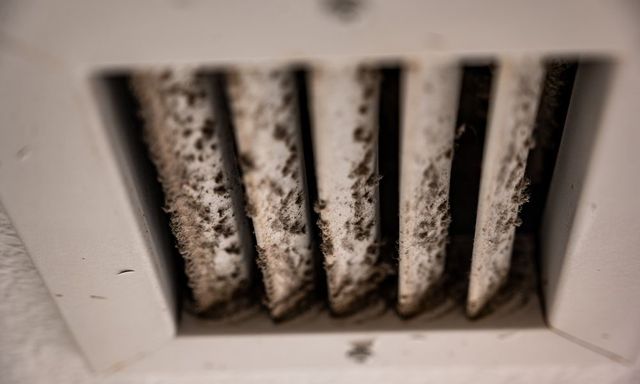
HVAC Systems Are a Major Distribution Pathway
HVAC systems play a big role in how mold spreads indoors.
If moisture allows mold to grow:
- Inside air handlers
- On evaporator coils
- In drain pans
- In duct insulation
Then spores can be distributed throughout the home every time the AC runs.
Common signs HVAC involvement may exist include:
- Musty odors when cooling starts
- Mold appearing in multiple rooms
- Odors strongest near vents or returns
In Cocoa homes, HVAC-related mold spread is very common due to year-round cooling.
Mold Spreads Through Walls and Building Materials
Mold doesn’t stay on the surface where it starts.
Moisture can move through:
- Drywall
- Insulation
- Wood framing
- Flooring systems
As moisture spreads, mold follows—often appearing weeks later in nearby areas. This is why mold may show up in a bedroom after a bathroom leak, or in a hallway after a kitchen issue.
Flooring and Slab Moisture Spread Mold Upward
Many Cocoa homes are built on concrete slabs, which behave differently than raised foundations.
After rain or prolonged humidity:
- Ground moisture rises through the slab
- Moisture becomes trapped under flooring
- Mold grows beneath tile, vinyl, or laminate
Once mold develops under flooring, spores can spread into rooms above, causing odors and recurring surface mold near baseboards.
Closets and Enclosed Spaces Act as Mold Amplifiers
Closets don’t just hide mold—they help it spread.
Closets often have:
- Limited airflow
- Cooler wall surfaces
- Stored items blocking circulation
Mold growing behind clothes or boxes can release spores that spread when doors open or air moves through the home.
Human Activity Helps Mold Spread Indoors
Everyday activity moves mold spores around more than people realize.
Spore spread increases through:
- Walking across contaminated flooring
- Opening and closing doors
- Running fans or AC
- Cleaning without containment
- Moving moldy items
This is why improper cleaning can make mold problems worse instead of better.
Why Mold Often Appears in “New” Places
Property owners often ask why mold appears in areas that were previously clean.
This usually happens because:
- Spores were already present
- Moisture conditions changed
- Airflow patterns shifted
- HVAC spread spores
- Hidden moisture reached new materials
Mold doesn’t always start where it’s seen—it often shows up where conditions become favorable later.
Why DIY Cleaning Can Increase Mold Spread
DIY cleaning often focuses on visible mold, not containment.
DIY methods can spread mold by:
- Scrubbing dry surfaces
- Using fans without containment
- Disturbing moldy materials
- Failing to address moisture
Without proper control, spores can spread to clean areas and create new growth zones.
How Professional Inspections Track Mold Spread
A professional mold inspection looks at patterns, not just spots.
An inspection may evaluate:
- Moisture movement between rooms
- HVAC airflow paths
- Humidity differences
- Hidden mold-prone areas
- Relationship between affected spaces
In Cocoa homes, inspections often reveal that mold spread is tied to humidity and air circulation rather than one isolated leak.
Mold Testing and Understanding Spread
Mold testing can help when spread is suspected.
Testing may:
- Compare indoor air between rooms
- Identify elevated spore levels
- Support HVAC involvement findings
Testing works best when combined with inspection and moisture detection.
Stopping Mold Spread Starts With Moisture Control
The single most important way to stop mold spread is controlling moisture.
Effective control includes:
- Keeping indoor humidity below ~55%
- Addressing leaks promptly
- Maintaining HVAC systems
- Improving ventilation
- Drying wet materials quickly
Without moisture, mold cannot continue spreading—even if spores remain present.
Why Local Cocoa Experience Matters
Mold spreads differently in Florida than in drier climates. Cocoa homes face challenges tied to humidity, slab construction, storms, and constant AC operation.
Professionals familiar with Cocoa understand how mold typically spreads locally and how indoor conditions influence growth patterns. Cocoa Mold Removal brings this local experience, helping property owners understand not just where mold is—but why it’s spreading.
A Practical Takeaway for Property Owners
Mold spread indoors is rarely random. It follows moisture, airflow, and building materials. In Cocoa, high humidity and HVAC circulation make it easy for mold to move quietly from one area to another.
If mold keeps appearing in new places, odors spread through the home, or humidity feels hard to control, an early evaluation can prevent wider contamination. Stopping mold spread isn’t about chasing spots—it’s about correcting the conditions that allow mold to grow in the first place.
Relevant Images for This Article