How Fast Mold Grows in Florida in Sharpes: What Cocoa Area Property Owners Should Know
One of the most surprising things for property owners in Sharpes is how quickly mold can develop once moisture is present. Many people assume mold takes weeks or months to appear. In Florida’s climate, that assumption can be costly. With warm temperatures, high humidity, and year-round air conditioning, mold growth can begin much faster than most homeowners expect.
For homeowners, landlords, and property managers in Sharpes and nearby Cocoa-area communities, understanding how fast mold grows—and why—helps prevent small moisture issues from turning into widespread damage. Speed matters with mold, especially in Florida.
Why Mold Grows Faster in Florida Than Most States
Florida provides nearly ideal conditions for mold growth for much of the year.
Key factors that accelerate growth include:
High humidity
Indoor humidity often stays elevated, especially during summer and rainy seasons.
Warm temperatures
Mold grows faster in warm environments when moisture is present.
Frequent rain and storms
Moisture events happen regularly, not occasionally.
Constant AC use
Air conditioning cools surfaces and creates condensation, which feeds mold.
Slab construction
Moisture can move upward from the ground and stay trapped under flooring.
In Sharpes, these factors often overlap, creating continuous moisture pressure inside homes.
How Quickly Mold Can Start Growing
Under the right conditions, mold growth can begin within 24 to 48 hours after moisture is introduced.
This can happen after:
- A plumbing leak
- A roof leak
- Appliance overflows
- Storm-related moisture
- Condensation buildup
- Prolonged high humidity
Mold doesn’t need visible water. Damp materials and humid air are enough.
Why Mold Often Appears “Out of Nowhere”
Many property owners are confused when mold seems to appear suddenly.
In reality:
- Moisture may have been present for days or weeks
- Mold may have been growing behind surfaces
- Conditions finally reached a visible tipping point
By the time mold is visible, growth is usually well established, not new.
Moisture + Time = Mold Growth
Mold growth speed depends on two main things: how wet materials get and how long they stay damp.
Materials that support fast mold growth include:
- Drywall
- Wood framing
- Carpet and padding
- Insulation
- Ceiling tiles
- Cabinets and particle board
In Sharpes homes, these materials often stay damp longer due to humidity and limited airflow.
High Humidity Alone Can Trigger Mold Growth
In Florida, mold doesn’t always need a leak.
When indoor humidity stays above about 55%, mold can begin growing on surfaces that feel dry to the touch.
Humidity-driven mold commonly appears in:
- Closets
- Cabinets
- Behind furniture
- On exterior walls
- In laundry rooms
This is why mold can grow even when everything “looks fine.”
AC Condensation Speeds Up Mold Growth
Air conditioning systems are one of the biggest contributors to fast mold growth in Sharpes homes.
Common AC-related moisture issues include:
- Condensate drain line clogs
- Overflowing drain pans
- Sweating ducts
- Moist air handlers
- Oversized systems that short-cycle
When condensation escapes or humidity isn’t removed effectively, mold growth can accelerate quickly.
Mold Growth Under Flooring Happens Fast
Slab homes are common in Sharpes, and slab-related mold often grows faster than expected.
After moisture exposure:
- Water spreads beneath flooring
- Flooring traps moisture
- Airflow is limited
- Drying slows dramatically
Mold under tile, vinyl, or laminate can develop in days, even if the surface looks dry.
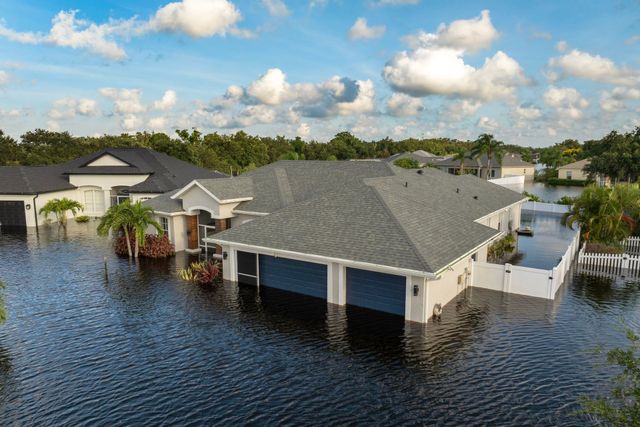
How Storms Speed Up Mold Growth
Storms don’t need to cause flooding to accelerate mold growth.
Storm-related moisture can:
- Increase indoor humidity
- Saturate soil near foundations
- Introduce wind-driven rain into walls
- Keep materials damp longer
Mold often appears 1–3 weeks after storms, not immediately—making the connection easy to miss.
Why Mold Grows Faster in Enclosed Spaces
Small, enclosed areas dry the slowest—and mold grows fastest there.
Common examples include:
- Closets
- Cabinets
- Laundry rooms
- Bathrooms without ventilation
- Garages
Limited airflow allows moisture to linger, speeding up mold development.
Mold Growth in HVAC Systems Can Be Rapid
HVAC systems combine moisture, darkness, and airflow—ideal conditions for mold.
Mold can begin growing quickly in:
- Drain pans
- Evaporator coils
- Duct insulation
Once established, spores can spread throughout the home every time the system runs.
Why Mold Keeps Spreading After It Starts
Once mold begins growing, it doesn’t stay put.
Mold spreads through:
- Airborne spores
- HVAC circulation
- Human movement
- Moisture migration through materials
In Sharpes homes, this is why a small moisture issue can turn into multi-room mold growth if not addressed early.
Why Waiting Even a Few Days Matters
Delays make mold problems worse.
Waiting allows:
- Moisture to penetrate deeper
- Mold to spread into hidden areas
- More materials to become affected
- Cleanup to become more invasive
Early drying and moisture control often prevent mold altogether.
Why DIY Drying Often Isn’t Enough
Many homeowners rely on fans or natural drying after water exposure.
In Florida, this often fails because:
- Outdoor air is humid
- Enclosed spaces don’t dry
- Moisture remains behind walls or under floors
- AC systems may add condensation
Without proper moisture detection, mold can grow unnoticed.
How Professionals Assess Mold Growth Timing
A professional inspection focuses on moisture conditions, not guesswork.
An evaluation may include:
- Moisture readings inside walls and floors
- Indoor humidity measurements
- HVAC system inspection
- Identification of moisture pathways
- Determining how long materials likely stayed damp
In Sharpes, inspections often reveal that mold began growing far earlier than expected.
Mold Testing and Growth Speed
Mold testing doesn’t determine exact timelines, but it can:
- Show whether mold is widespread
- Support HVAC involvement
- Confirm hidden growth
Testing is most useful when combined with inspection findings.
How to Slow or Stop Mold Growth Quickly
Fast action makes the biggest difference.
Effective steps include:
- Drying wet areas immediately
- Keeping indoor humidity below ~55%
- Running AC consistently
- Fixing leaks promptly
- Improving airflow
- Checking hidden areas after moisture events
In Florida, speed is everything.
Why Local Sharpes Experience Matters
Mold grows faster in Florida than in cooler, drier climates. Sharpes homes face constant humidity, frequent storms, slab construction, and long cooling seasons.
Professionals familiar with local conditions understand how quickly mold can grow in this area and where it typically starts. Cocoa Mold Removal brings this local experience, helping property owners act before fast-growing mold becomes a larger issue.
A Practical Takeaway for Property Owners
In Sharpes, mold doesn’t wait weeks to appear—it can begin growing in as little as a day or two when moisture is present. By the time mold is visible, growth is often well underway.
If your property has experienced moisture, humidity spikes, leaks, or storms, early evaluation and drying can prevent mold from taking hold. Acting quickly is the most effective way to stay ahead of mold in Florida’s fast-moving environment.
Relevant Images for This Article