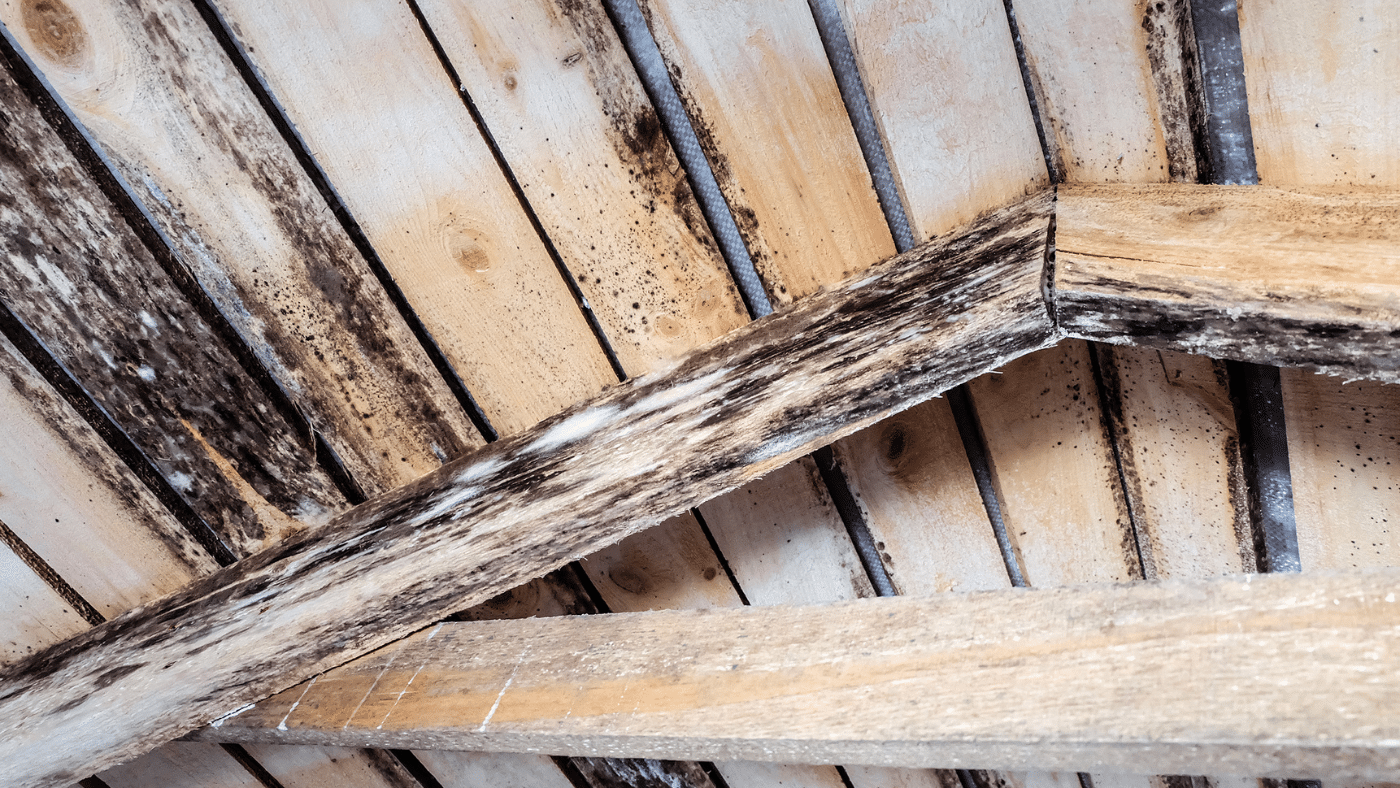
Hidden Mold in Sharpes: What Cocoa Area Property Owners Should Know
Hidden mold is one of the most common—and most overlooked—problems affecting properties in Sharpes. Florida’s warm temperatures, high humidity, frequent rain, and nonstop air-conditioning use create the perfect environment for moisture to build up in places no one checks regularly. When moisture lingers behind walls, above ceilings, or inside HVAC systems, mold can grow quietly for months before any visible signs appear.
For homeowners, landlords, and property managers in Sharpes and the surrounding Cocoa area, hidden mold often causes confusion and frustration. The property may look clean, yet musty odors, humidity issues, or recurring moisture problems persist. Understanding where hidden mold forms, why it’s so common locally, and how it’s properly addressed helps property owners avoid costly surprises and repeated repairs.
What Hidden Mold Really Is
Hidden mold refers to mold growth that develops out of sight, inside building materials or concealed spaces. Unlike surface mold that appears on walls or ceilings, hidden mold grows in areas such as wall cavities, attic insulation, subflooring, and HVAC components.
In Sharpes properties, hidden mold typically forms when moisture is present for extended periods. Small roof leaks, slow plumbing issues, or AC condensation may not cause immediate damage, but they can create damp conditions behind surfaces where mold thrives unnoticed.
Hidden mold is not defined by color or type—it’s defined by location and duration of moisture exposure.
Why Hidden Mold Is So Common in Sharpes
Several local factors make Sharpes properties especially vulnerable to hidden mold problems.
High humidity
Even indoors, humidity levels can remain elevated for much of the year. Mold does not require standing water to grow—excess moisture in the air is often enough.
Heavy rain and seasonal storms
Roof penetrations, flashing, windows, and exterior walls are regularly exposed to wind-driven rain. Small leaks can allow moisture into wall cavities or ceilings without immediate visual damage.
Year-round air conditioning
AC systems produce condensation. Clogged drain lines, dirty coils, or poorly insulated ductwork can allow moisture to accumulate inside walls and ceilings.
Slab foundations
Common in Sharpes, slab construction can trap moisture beneath flooring after plumbing leaks or water intrusion.
Older construction
Some properties have aging plumbing, roofing, or ventilation systems that allow moisture to persist unnoticed.
These conditions allow mold to grow quietly where it can’t be easily seen.
Common Places Hidden Mold Is Found in Sharpes Properties
Hidden mold tends to grow in predictable areas where moisture and limited airflow meet.
Common hidden locations include:
- Behind drywall near bathrooms, kitchens, or plumbing walls
- Above ceilings where roof leaks or AC condensation occur
- Inside attics with poor ventilation
- Under tile, laminate, or carpet flooring after leaks
- Inside HVAC systems, air handlers, and ductwork
- Closets and storage rooms with limited airflow
Because these areas are rarely inspected, mold can spread extensively before being discovered.
Signs That Hidden Mold May Be Present
Even when mold isn’t visible, properties often show warning signs.
Common indicators include:
- Persistent musty or earthy odors
- Rooms that feel damp or unusually humid
- Bubbling paint or peeling drywall
- Ceiling stains that appear and fade
- Warped baseboards or flooring
- Ongoing AC condensation or drain issues
These symptoms usually point to moisture problems that may be feeding hidden mold growth.
How Hidden Mold Affects Properties Over Time
Hidden mold doesn’t stay contained forever. As it grows, it can:
- Spread into additional wall or ceiling areas
- Affect indoor air quality as spores circulate
- Damage drywall, insulation, wood framing, and flooring
- Lead to recurring odors that don’t go away with cleaning
- Increase repair costs the longer it remains undetected
Because mold feeds on building materials, prolonged exposure can weaken parts of the structure if left unaddressed.
Why DIY Mold Cleanup Doesn’t Solve Hidden Mold
Many property owners attempt to address mold by cleaning visible areas, but hidden mold remains untouched.
DIY efforts usually fail because they:
- Only remove surface staining
- Do not reach mold inside walls or ceilings
- Fail to correct the moisture source
- Can spread spores during cleaning
- Miss HVAC-related mold entirely
In Sharpes’ humid climate, hidden mold almost always continues to grow if moisture problems are not professionally identified and corrected.
How Professional Mold Inspections Find Hidden Mold
Finding hidden mold requires more than a visual check. Professional inspections focus on moisture detection and building behavior.
A proper inspection typically includes:
Visual assessment
Reviewing interior spaces, attics, mechanical areas, and previous repair locations.
Moisture detection
Using moisture meters and thermal imaging to locate damp areas behind surfaces.
HVAC evaluation
Checking air handlers, drain pans, ductwork, and condensate lines.
Source identification
Identifying roof leaks, plumbing issues, condensation problems, or ventilation deficiencies.
Targeted testing when needed
Air or surface sampling may be used to better understand indoor conditions when mold is suspected but not visible.
This process helps locate the root cause—not just the symptoms.
The Right Way to Address Hidden Mold
Hidden mold must be handled carefully to prevent spreading spores and worsening the problem.
Professional remediation typically involves:
Containment
Isolating affected areas to prevent cross-contamination.
Removal of affected materials
Safely removing mold-damaged drywall, insulation, or flooring as needed.
Cleaning and air filtration
Using HEPA filtration and detailed cleaning to reduce airborne spores.
Moisture correction
Fixing leaks, improving ventilation, and addressing AC condensation issues.
Drying and verification
Ensuring all affected areas are fully dry and no longer support mold growth.
This approach ensures hidden mold is actually removed—not just covered up.
Preventing Hidden Mold in Sharpes Properties
Because Florida moisture is ongoing, prevention plays a major role.
Helpful prevention steps include:
- Regular HVAC maintenance and drain line cleaning
- Monitoring indoor humidity levels
- Prompt repair of plumbing, roof, or window leaks
- Post-storm inspections of ceilings and attic areas
- Improving ventilation in bathrooms, kitchens, and laundry rooms
- Keeping airflow moving in closets and storage areas
Preventing moisture buildup is the most effective way to stop hidden mold from forming.
Why Local Sharpes Experience Matters
Hidden mold behaves differently depending on climate and building design. Sharpes properties face unique challenges related to humidity, storm exposure, and local construction styles.
Professionals familiar with Sharpes and surrounding Brevard County communities understand where hidden mold typically forms and how moisture behaves in local buildings. Cocoa Mold Removal brings this local knowledge, helping property owners identify hidden issues accurately and prevent repeat problems.
A Calm, Practical Next Step
If you own property in Sharpes and suspect hidden mold—or are dealing with ongoing moisture or odor issues—the most important step is understanding what’s happening behind the surfaces. A professional evaluation can identify hidden moisture problems, confirm whether mold is present, and guide the right solution.
Addressing hidden mold early helps protect your property, reduce repair costs, and maintain a comfortable indoor environment in Florida’s challenging climate.
Relevant Images for This Article