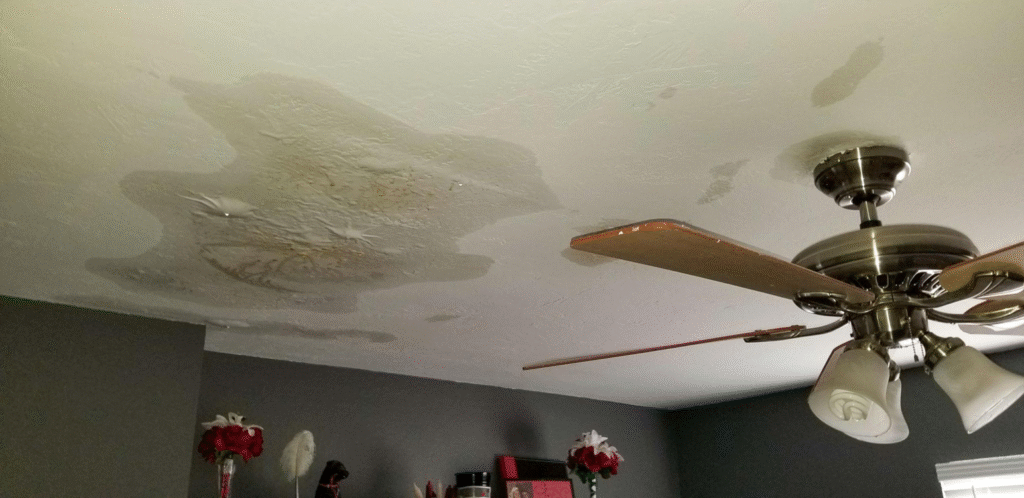
Emergency Mold Services in Port St. John: What Cocoa Area Property Owners Should Know
Mold problems don’t always develop slowly. In Port St. John, many homeowners first encounter mold as an emergency—after a pipe bursts, a storm causes water intrusion, an AC system fails, or standing water sits longer than expected. When moisture is introduced suddenly, mold risk escalates fast, especially in Florida’s warm, humid climate.
Across Port St. John, Cocoa, Cocoa Beach, West Cocoa, Sharpes, and Canaveral Groves, emergency mold situations often share one thing in common: the clock is already ticking by the time homeowners realize there’s a problem. Understanding what qualifies as a mold emergency, why fast action matters, and what emergency mold services actually involve helps property owners protect their homes and limit long-term damage.
This article explains when mold becomes an emergency in Port St. John, what happens during emergency mold response, and what homeowners should know to make informed decisions under pressure.
What Counts as a Mold Emergency?
Not every mold issue is an emergency—but certain conditions raise mold risk dramatically and require immediate attention.
Common mold emergencies include:
- Flooding or standing water inside the home
- Burst pipes or major plumbing leaks
- Roof damage allowing water intrusion
- AC drain line backups or system failures
- Storm-related water entry
- Sewage or gray water exposure
- Rapid spread of mold across multiple rooms
In Port St. John’s climate, any situation where moisture remains for more than 24–48 hours can quickly turn into a mold emergency.
Why Speed Matters in Emergency Mold Situations
Mold growth doesn’t wait for convenient timing.
In Florida conditions:
- Mold can begin developing within 24–48 hours
- Humidity slows drying
- Warm temperatures accelerate growth
- Porous materials absorb water quickly
Emergency mold services focus on acting before mold becomes established or spreads into hidden areas where removal becomes more invasive.
Common Triggers for Emergency Mold Calls in Port St. John
Emergency mold situations usually start with a water event.
Plumbing Failures
Burst pipes, failed supply lines, or hidden plumbing leaks can release large amounts of water quickly. Even after water is shut off, moisture may remain inside walls, floors, and cabinets.
Storm and Rain Events
Heavy rain, wind-driven storms, and tropical systems can introduce water through roofs, windows, doors, or poorly sealed exterior penetrations. In Port St. John, storms often raise indoor humidity even without visible leaks.
AC System Failures
Air conditioning systems are a frequent source of emergency mold risk.
Problems include:
- Clogged drain lines
- Overflowing drain pans
- Frozen coils melting suddenly
- System shutdown during hot, humid weather
When AC systems fail, humidity spikes quickly—creating ideal mold conditions.
Standing Water
Water that pools on floors, even briefly, is a major mold risk. Standing water soaks into drywall, insulation, flooring, and subfloors long before it’s visible.
Why Emergency Mold Risk Is Higher in Port St. John
Port St. John homes face specific environmental challenges that amplify emergencies.
Local factors include:
- High year-round humidity
- Slab foundations that absorb moisture
- Slow drying conditions
- Frequent storms
- Heavy reliance on AC systems
Because materials dry slowly here, moisture from emergencies often lingers long enough to support mold growth unless addressed immediately.
What Emergency Mold Services Focus On First
Emergency mold services are about stabilization, not cosmetic cleanup.
Initial priorities typically include:
- Stopping active moisture sources
- Preventing further water spread
- Controlling humidity
- Assessing affected materials
- Reducing conditions that support mold growth
The goal is to prevent mold from taking hold—or from spreading further if it already has.
Emergency Mold vs. Routine Mold Problems
Emergency mold situations differ from routine mold issues in both urgency and scope.
Emergency situations usually involve:
- Sudden moisture introduction
- Large affected areas
- High humidity spikes
- Immediate risk of hidden mold growth
Routine mold issues often develop slowly and allow more time for evaluation. Emergencies require rapid decisions to limit damage.
Hidden Mold Risk After Emergencies
One of the biggest dangers after a water emergency is hidden mold growth.
Mold commonly develops:
- Behind drywall
- Under flooring
- Inside wall cavities
- Beneath cabinets
- In insulation
Because these areas aren’t visible, homeowners may think the problem is resolved once surfaces dry—only to discover mold weeks later.
Why Surface Drying Isn’t Enough in Emergencies
Fans and open windows help, but they rarely remove all moisture after an emergency.
Surface drying fails because:
- Moisture remains trapped inside materials
- Insulation holds water
- Slab foundations release moisture slowly
- High outdoor humidity limits evaporation
Emergency mold services focus on thorough drying, not just drying what you can see.
The Role of Humidity Control During Emergencies
After a water event, indoor humidity often stays elevated.
In Port St. John:
- Humidity rebounds quickly
- AC systems may struggle to keep up
- Materials reabsorb moisture
Controlling humidity below mold-supporting levels is a key part of emergency response.
Emergency Mold Services and HVAC Systems
HVAC systems are closely tied to emergency mold situations.
During emergencies:
- HVAC systems may spread humid air
- Condensation can increase in ductwork
- Wet insulation near vents can support mold
Emergency response often includes evaluating HVAC components near affected areas to prevent mold spread.
Slab Foundations and Emergency Moisture
Many Port St. John homes are built on slab foundations, which complicate emergencies.
After water events:
- Slabs absorb moisture
- Moisture releases slowly into the home
- Lower walls and flooring stay damp
This delayed moisture release is a common reason mold appears days or weeks after an emergency.
Why Emergency Mold Often Shows Up Later
Even with fast action, mold may not appear immediately.
Delayed mold growth happens because:
- Mold grows behind surfaces
- Odors develop gradually
- Materials dry unevenly
- Humidity remains elevated
This is why follow-up monitoring is important after emergency situations.
When Emergency Mold Services Expand Into Remediation
Emergency services are often the first step—not the last.
If mold has already developed, emergency response may lead into:
- Targeted mold removal
- Material removal where necessary
- Continued drying and moisture control
- Post-response evaluation
Early emergency action often reduces how extensive later remediation needs to be.
Why DIY Emergency Responses Often Fall Short
In emergencies, homeowners often act quickly—but without the right tools or knowledge.
DIY efforts often miss:
- Hidden moisture
- Elevated humidity
- Condensation patterns
- Slab moisture behavior
Good intentions don’t always stop mold growth without proper moisture control.
Why Local Experience Matters in Mold Emergencies
Emergency mold situations in Port St. John behave differently than in drier climates.
Local professionals understand:
- Brevard County humidity behavior
- Storm-related moisture patterns
- Slab foundation drying challenges
- AC system vulnerabilities
Many property owners rely on experienced local providers like Cocoa Mold Removal because emergency decisions in Florida require understanding how moisture actually behaves after water events.
What Property Owners Should Do Immediately After a Water Emergency
Quick action helps limit mold risk.
Important steps include:
- Stop the water source if possible
- Remove standing water promptly
- Avoid turning off AC completely
- Increase airflow safely
- Monitor indoor humidity
- Avoid sealing up wet materials
The first 24–48 hours are critical.
Post-Emergency Monitoring Is Essential
Even after emergency services, monitoring matters.
Property owners should:
- Watch for musty odors
- Inspect baseboards and lower walls
- Check closets and cabinets
- Monitor indoor humidity
- Pay attention to flooring changes
Mold growth after emergencies is often delayed.
Emergency Mold Services and Property Value
How emergencies are handled affects long-term value.
Proper emergency response helps:
- Limit material damage
- Reduce mold spread
- Preserve documentation
- Protect future inspections and sales
Delays or incomplete responses often lead to larger, more expensive problems later.
Preparing for Future Mold Emergencies
Homes prone to emergencies benefit from preparation.
Helpful steps include:
- Regular plumbing and AC maintenance
- Keeping drain lines clear
- Inspecting after storms
- Knowing who to call quickly
- Monitoring humidity year-round
Preparedness reduces panic and damage when emergencies happen.
A Practical Takeaway for Property Owners
Emergency mold situations in Port St. John move fast. Standing water, sudden leaks, and system failures can create mold-friendly conditions within days—sometimes before visible damage appears.
Property owners who act quickly, focus on moisture control, and understand that drying is more than surface-level cleanup are far more successful at preventing long-term mold problems. In Florida’s climate, emergency mold services aren’t about overreacting—they’re about responding early enough to stop small problems from becoming major ones.