Does Insurance Cover Mold in West Cocoa: What Cocoa Area Property Owners Should Know
One of the most common questions property owners ask after discovering mold is whether insurance will cover it. In West Cocoa, this question comes up often because mold problems are frequently connected to water damage, storms, plumbing leaks, and HVAC issues. Unfortunately, the answer is rarely a simple yes or no. Mold coverage depends on how the mold developed, how quickly the issue was addressed, and what conditions caused the moisture in the first place.
For homeowners in West Cocoa and throughout Brevard County, understanding how insurance typically treats mold helps avoid confusion, delays, and costly mistakes. Mold issues don’t usually start as insurance problems—but they can become insurance-related when tied to certain water events. Knowing how this works puts property owners in a much stronger position if mold is discovered.
Why Mold and Insurance Questions Are So Common in West Cocoa
West Cocoa homes face ongoing moisture challenges. High humidity is present most of the year, heavy rain is common, and hurricanes or tropical storms can cause sudden water intrusion. Even when flooding doesn’t occur, roof leaks, plumbing failures, or AC condensation problems can introduce moisture into a home.
Mold often appears days or weeks after the initial water issue. By the time it’s visible, property owners may not immediately connect it to the earlier event. This delay is one reason insurance questions become complicated—especially when mold is discovered after repairs seem complete.
Because mold is a secondary issue rather than the original damage, insurance coverage often focuses on the cause of moisture, not the mold itself.
How Insurance Typically Looks at Mold Claims
Insurance companies generally do not cover mold simply because it exists. Instead, they look at what caused the mold. Mold is usually considered a result of moisture, not a standalone event.
If mold develops due to a sudden, accidental water incident that is covered under the policy—such as a burst pipe or storm-related water intrusion—it may be included as part of that claim. However, if mold results from long-term moisture, maintenance issues, or delayed repairs, coverage is often limited or denied.
This distinction is critical for West Cocoa property owners. Understanding whether moisture came from a sudden event or an ongoing issue helps determine whether insurance may apply.
Water Events That Are Often Linked to Covered Mold
In West Cocoa, mold claims most commonly follow specific types of water damage. Sudden plumbing failures are one example. A broken supply line, burst pipe, or failed connection under a sink can release significant water quickly.
Storm-related damage is another frequent cause. Heavy rain or hurricanes can damage roofs, siding, or windows, allowing water to enter attics or wall cavities. When this happens suddenly and is documented, mold that develops afterward may be tied to the original event.
Appliance failures, such as leaking water heaters, washing machines, or dishwashers, can also introduce large amounts of water into floors or walls. If addressed promptly, resulting mold may fall under the same claim.
HVAC-related incidents can sometimes apply as well, especially when drain pans overflow or drain lines clog suddenly, leading to water damage inside ceilings or walls.
Situations Where Mold Is Often Not Covered
Not all mold situations qualify for insurance coverage. Mold that develops due to slow leaks, poor ventilation, or ongoing humidity issues is often considered a maintenance issue rather than an insurable event.
For example, a slow plumbing drip behind a wall that goes unnoticed for months typically does not qualify as a sudden event. Mold that develops from long-term AC condensation problems or poor drainage around the home is also often excluded.
In Florida, insurance policies commonly limit or exclude mold coverage when it results from neglect, delayed repairs, or repeated moisture exposure. This makes early detection and documentation especially important.
Why Timing Plays a Major Role in Coverage
Timing is one of the most important factors in mold-related insurance claims. Mold can begin developing within days when moisture is present, especially in Florida’s climate. Insurance companies often look closely at how quickly the property owner responded to the original water issue.
Prompt action—such as stopping the water source, drying affected areas, and documenting damage—strengthens the connection between water damage and mold. Delayed response may raise questions about whether mold resulted from the original event or from ongoing conditions.
In West Cocoa homes, high humidity can slow drying even after visible water is removed. Moisture trapped inside walls, under flooring, or in insulation can allow mold to grow quietly, making follow-up inspections critical.
Hidden Mold and Insurance Challenges
Hidden mold is one of the biggest challenges when it comes to insurance. Mold often grows behind drywall, under flooring, in attics, or inside HVAC systems—areas not easily visible after water damage.
Property owners may believe drying was successful because surfaces appear dry. Weeks later, mold odors or damage appear, creating uncertainty about when the mold actually began.
Insurance companies often require evidence linking mold growth to the original water event. Professional moisture detection and documentation help establish this connection before mold becomes widespread.
Common Signs Mold May Be Connected to a Claim
After a water incident, certain signs may suggest mold development related to that event. Persistent musty or earthy odors are often the first indicator, especially if they appear after repairs are finished.
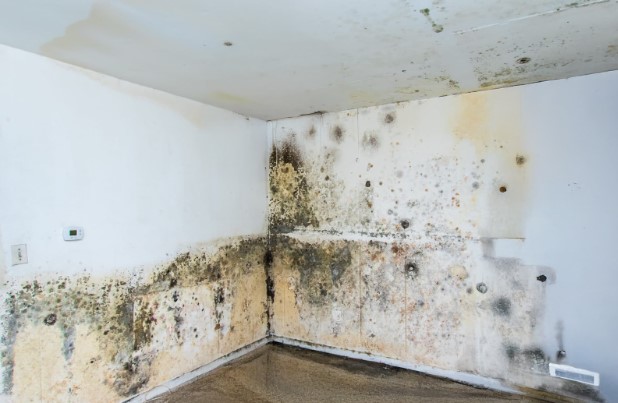
Discoloration on walls, ceilings, or baseboards that wasn’t present before the water damage can also be a warning sign. Flooring that begins to warp, buckle, or feel soft may indicate moisture trapped underneath.
In some cases, mold is discovered during follow-up repairs or inspections rather than through visible symptoms. These discoveries often lead property owners to ask whether insurance still applies.
Why DIY Cleanup Can Hurt an Insurance Claim
Many property owners attempt to clean or remove mold themselves, especially when growth appears limited. While this may seem helpful, it can complicate insurance claims.
Removing mold without documenting the extent of damage can make it harder to show what was affected. Disturbing mold without containment can also spread spores, increasing the scope of damage.
DIY cleanup often focuses on visible areas and misses hidden mold or unresolved moisture sources. If mold returns, insurers may question whether the problem was fully addressed or properly reported.
Professional evaluation helps preserve documentation and ensures moisture issues are correctly identified.
How Mold Is Properly Documented for Insurance Purposes
Proper documentation starts with identifying the moisture source. Professional inspections focus on where water entered, how far it spread, and whether moisture remains.
Moisture detection tools are used to locate damp materials behind walls, under floors, or above ceilings. This information helps demonstrate that mold is connected to water damage rather than long-term conditions.
Photographs, inspection notes, and timelines all play a role in supporting a claim. In some cases, air or surface samples may be collected to clarify indoor conditions, though testing is used selectively.
Clear documentation helps property owners communicate effectively with insurers and avoid misunderstandings.
Mold Remediation and Insurance Considerations
When mold is confirmed as part of a covered water event, remediation focuses on safe removal and preventing recurrence. Containment is used to prevent mold spores from spreading during cleanup.
Affected materials such as drywall, insulation, flooring, or cabinetry may need to be removed depending on severity. Thorough drying and moisture correction are critical steps.
Correcting the original moisture source is essential. Without plumbing repairs, roof fixes, HVAC adjustments, or improved ventilation, mold is likely to return—potentially complicating future claims.
Local providers like Cocoa Mold Removal understand the importance of remediation that addresses both mold and moisture, helping property owners move forward responsibly.
What Insurance Companies Often Evaluate
While policies vary, insurers commonly look at whether the water event was sudden or ongoing, how quickly the issue was addressed, and whether reasonable steps were taken to prevent further damage.
They may also evaluate maintenance history. A sudden pipe failure is typically viewed differently than a slow leak that existed for months.
Clear timelines, professional inspections, and prompt response help demonstrate that the property owner acted appropriately after the water event.
Preventing Mold-Related Insurance Problems in the Future
Prevention is the best way to avoid insurance complications related to mold. Regular inspections of plumbing, roofs, and HVAC systems help catch issues early.
After storms, West Cocoa property owners should check attics, ceilings, and exterior walls for signs of water intrusion. Even small leaks should be addressed quickly.
Maintaining proper indoor humidity is also important. AC systems should be operating correctly, and drain lines should be kept clear.
After any water damage, thorough drying and follow-up inspections help ensure moisture hasn’t migrated into hidden areas.
Why Local West Cocoa Mold Experience Matters
Mold and insurance claims are not the same everywhere. Local experience matters because West Cocoa homes face Florida humidity, slab foundations, storm exposure, and HVAC-heavy cooling demands.
Professionals familiar with Brevard County understand how moisture behaves in this environment and how mold typically develops after water events. This knowledge allows for more accurate evaluations and clearer documentation.
Property owners in West Cocoa, Cocoa, Cocoa Beach, Port St. John, Sharpes, and Canaveral Groves benefit from working with professionals who regularly handle mold issues tied to water damage in this region.
A Clear, Informed Path Forward
Does insurance cover mold in West Cocoa? The answer depends on the cause, timing, and response. Mold itself is rarely the starting point of a claim—it’s the moisture event behind it that matters most.
For property owners, the best approach is prompt action, thorough documentation, and professional evaluation when mold is suspected. Addressing moisture correctly and early protects both the property and the claims process.
When questions arise, a knowledgeable local provider like Cocoa Mold Removal can help evaluate conditions, identify moisture sources, and guide the next steps—helping West Cocoa property owners move forward with clarity and confidence.