Commercial Mold Remediation in Brevard County: What Cocoa Area Property Owners Should Know
Commercial mold remediation is a serious responsibility for property owners throughout Brevard County, especially in and around the Cocoa area. Florida’s heat, humidity, and frequent storms create ideal conditions for mold growth in commercial buildings of all types—offices, retail spaces, warehouses, healthcare facilities, schools, and multi-tenant properties.
Mold problems rarely stay small. What starts as a minor leak or humidity imbalance can quietly turn into a widespread contamination issue that affects building occupants, disrupts operations, and leads to costly repairs. For Cocoa area property owners, understanding how commercial mold remediation works—and when it’s needed—is essential for protecting people, property, and long-term value.
This guide explains what commercial mold remediation involves, why it matters in Brevard County, how problems develop, and what responsible property owners should expect from the remediation process.
Why Commercial Mold Remediation Is So Common in Brevard County
Brevard County’s environment makes mold a constant concern. Warm temperatures, high humidity, heavy rainfall, and hurricane activity all contribute to moisture intrusion in commercial buildings.
Commercial properties are particularly vulnerable because they often include:
- Large roof systems exposed to storms
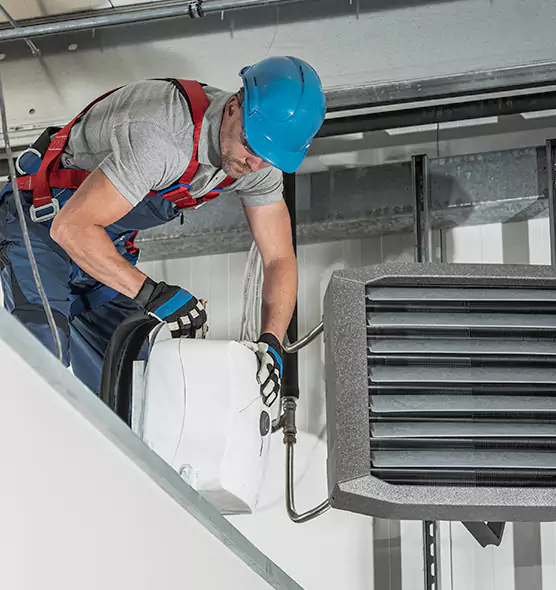
- Continuous HVAC operation and condensation
- Complex plumbing networks
- High daily occupancy
- Storage areas with limited airflow
Mold spores are naturally present in the air. When moisture remains trapped inside building materials for more than 24 to 48 hours, mold growth can begin and spread rapidly.
What Triggers the Need for Commercial Mold Remediation
Commercial mold remediation is typically required when mold growth is confirmed or strongly suspected. Common triggers include:
- Visible mold on walls, ceilings, or floors
- Persistent musty odors
- Water damage from roof leaks or plumbing failures
- Flooding from storms or burst pipes
- HVAC condensation issues
- Health complaints from occupants
In many cases, mold growth is already extensive by the time it becomes visible. Remediation focuses not only on removing mold, but also on correcting the conditions that allowed it to grow.
Common Areas Affected by Mold in Commercial Buildings
Mold does not grow evenly throughout a building. It concentrates in areas where moisture and limited airflow intersect.
HVAC Systems and Ductwork
Air handlers, drain pans, and duct interiors are common mold sources. Once mold enters the HVAC system, spores can circulate throughout the building, affecting multiple areas.
Roof Systems and Ceiling Cavities
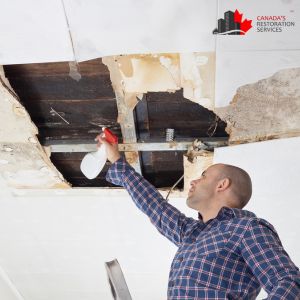
Water intrusion from damaged roofs can saturate insulation and ceiling materials. Mold may spread above occupied spaces long before stains appear.
Walls and Insulation
Slow plumbing leaks or condensation inside walls allow mold to grow unseen behind drywall.
Storage Rooms and Utility Areas
Low-traffic areas often go unchecked, making them prime locations for hidden mold growth.
Bathrooms, Kitchens, and Break Rooms
Frequent water use combined with poor ventilation creates ongoing moisture exposure.
Health and Operational Risks of Unaddressed Mold
Mold in commercial buildings impacts both people and business operations.
Health Concerns
Occupants may experience:
- Respiratory irritation
- Sneezing, congestion, and itchy eyes
- Headaches and fatigue
- Worsening asthma symptoms
Certain populations—such as children, older adults, and individuals with respiratory conditions—may be more sensitive to mold exposure.
Business Disruption
Uncontrolled mold can lead to:
- Tenant complaints or lease disputes
- Employee absenteeism
- Temporary closures
- Emergency remediation costs
- Damage to inventory and equipment
Early remediation helps limit these disruptions and reduces long-term costs.
What Commercial Mold Remediation Involves
Commercial mold remediation is a structured, multi-step process designed to safely remove mold and prevent recurrence.
Step 1: Assessment and Planning
Remediation begins with a thorough evaluation of affected areas. This may include visual inspection, moisture detection, and review of building systems.
Step 2: Containment
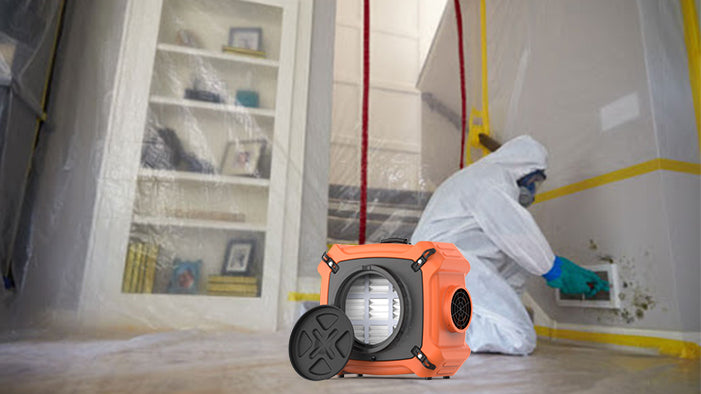
Affected areas are isolated to prevent mold spores from spreading to unaffected spaces. This is especially important in multi-tenant or occupied buildings.
Step 3: Air Filtration
High-efficiency air filtration devices are used to capture airborne mold spores during remediation.
Step 4: Mold Removal
Contaminated materials are cleaned, treated, or removed depending on severity. Porous materials such as drywall or insulation may require removal.
Step 5: Cleaning and Sanitization
Surfaces are cleaned using appropriate methods to remove residual mold particles.
Step 6: Moisture Control
Remediation is not complete until the underlying moisture issue—roof leak, plumbing problem, or HVAC imbalance—is resolved.
Step 7: Post-Remediation Verification
Follow-up evaluations help confirm that mold has been properly addressed and moisture levels are under control.


Why DIY Mold Cleanup Is Not Enough for Commercial Properties
Small surface mold may seem manageable, but commercial mold remediation is rarely a do-it-yourself task.
Commercial buildings involve:
- Larger affected areas
- Complex HVAC systems
- Occupied spaces
- Higher liability risks
Improper cleanup can spread mold spores, worsen contamination, and expose occupants to unnecessary risks. Professional remediation ensures containment, proper removal, and long-term prevention.
Legal and Liability Considerations in Brevard County
Commercial property owners in Brevard County have a responsibility to provide safe and habitable environments for tenants, employees, and customers.
Failure to properly remediate mold can result in:
- Tenant disputes
- Insurance complications
- Business interruption claims
- Regulatory scrutiny
- Reduced property value
Documented remediation and maintenance records help protect property owners and demonstrate due diligence.
Budgeting for Commercial Mold Remediation
The cost of commercial mold remediation varies based on:
- Size of the affected area
- Severity of contamination
- Materials involved
- Accessibility of affected spaces
- Required repairs
While remediation can be costly, early intervention significantly reduces expenses. Preventive maintenance and prompt repairs are far more affordable than large-scale remediation projects.
Prevention After Remediation: Keeping Mold From Returning
Successful remediation is only the beginning. Long-term mold control requires ongoing attention.
Maintain HVAC Systems
Regular inspection and maintenance reduce condensation and humidity issues.
Control Indoor Humidity
Keep humidity levels between 30% and 50% whenever possible.
Address Water Issues Promptly
Leaks and flooding should always be treated as urgent issues.
Schedule Routine Inspections
Regular walkthroughs and professional evaluations help catch problems early.
Educate Staff and Tenants
Clear reporting procedures for leaks or odors improve response times.
Long-Term Mold Management for Brevard County Properties
Because Brevard County’s climate will always include humidity and rain, long-term mold management is an ongoing process—not a one-time fix.
Effective strategies include:
- Preventive maintenance programs
- Routine professional inspections
- Investment in modern HVAC and ventilation systems
- Clear response plans for water intrusion
- Consistent documentation
Property owners who stay proactive reduce the risk of repeat mold issues and protect long-term property value.
Final Thoughts for Cocoa Area Property Owners
Commercial mold remediation in Brevard County is not just about removing visible mold—it’s about protecting people, businesses, and investments. In a climate where moisture is unavoidable, the difference between minor repairs and major remediation often comes down to response time and prevention.
By understanding the remediation process, addressing moisture issues promptly, and committing to long-term maintenance, Cocoa area property owners can minimize disruptions, reduce liability, and maintain healthier commercial environments across Brevard County.